For a piccolo latte you prepare on weekday mornings to drink at lunchtime, your choice mainly depends on how much of the process you want to handle yourself and how precisely you want to portion the espresso and milk. Traditional espresso machines offer more hands-on control, bean-to-cup machines make brewing simpler, and capsule machines offer convenient portioning but tie you to a capsule system. If you’re saving your drink for later, you’ll need to plan separately for refrigeration and a clean container; the machine can’t guarantee safe storage.
Which routine suits you?
Short on time in the morning
If you’re packing your lunch at the same time on weekdays, you’ll want to consider the whole process: making the espresso, preparing the milk and cleaning up afterwards. Sage says the Bambino Plus is ready to use in 3 seconds; that doesn’t mean the whole drink is ready in that time. Philips and Nespresso also describe machines with automated drink-making steps.
A piccolo made your way
If you want to adjust the balance of strong espresso and a small amount of textured milk yourself, a more hands-on process may suit you. Barista Hustle describes a piccolo as espresso with textured milk in a ratio of 1:2 to 1:3. For greater control, you’ll need to allow for a few extra steps.
Coffee for your lunch break
If you make your drink in the morning and have it later, you’ll need to plan for transport, suitable refrigeration and a container that’s easy to clean. The German Federal Institute for Risk Assessment (BfR) warns that inadequate temperatures during transport and storage can allow harmful germs to multiply.
What should you look for when buying?
Traditional espresso machine with steam wand
A good fit if: you want to portion and texture the espresso and milk yourself.
Consider: grinding, frothing and cleaning all involve extra steps; also check whether you have a suitable grinder.
Bean-to-cup machine with milk system
A good fit if: you want to make espresso and milk drinks with as little fuss as possible.
Consider: a listed milk drink isn’t automatically a piccolo. Check whether you can set the small quantity you want and how the milk system is cleaned.
Capsule machine with milk system
A good fit if: a straightforward single serving matters more to you than choosing your own beans and grind size.
Consider: check the amount of milk it can make, how to clean the container and whether you’re happy to use compatible capsules.
| Priority |
What to check when buying |
Who is this important to? |
| Time in the morning |
Compare the steps involved in making a small serving, including preparing the milk and cleaning up. The Bambino Plus’s heating time quoted by Sage doesn’t tell you how long the full preparation takes. |
If I’m short on time in the morning, I want to understand the whole process. Around 24% of consumers say weekday morning preparation time is their top priority. |
| Portion size and control |
Check whether you can set the espresso and milk quantities to suit you. Barista Hustle describes a 1:2 to 1:3 ratio for a piccolo. |
If I want to adjust the small amount of milk myself, having control over both quantities matters to me. Around 19% of consumers say control over their drink is their main priority. |
| Cleaning the milk system |
Compare the removable parts and cleaning instructions for the specific model. Philips describes the LatteGo on the EP2230/10 as having two parts; Nespresso says the Lattissima One’s container is removable and dishwasher-safe. |
If I make milk drinks every day, I want to clean the parts that come into contact with milk without any faff. Around 19% of consumers say ease of cleaning is their top priority. |
| Storage until lunchtime |
Plan for suitable refrigeration and a clean container that’s easy to wash. The BfR highlights the risks of inadequate temperatures during transport and storage. |
If I want to drink my piccolo at lunchtime, hygienic storage is especially important to me. Around 24% of consumers say safe storage for later is their main priority. |
| Everyday coffee and care |
Check which coffee portions work with the system, whether you’ll need a grinder and what care instructions apply to the specific model. |
If I’m going to use the machine regularly, I want to weigh up the coffee options and the upkeep together. Around 14% of consumers say ongoing costs and being tied to a particular system are their top priorities. |
Common buying mistakes
-
Focusing only on the stated heating time
Sage says the Bambino Plus is ready to use in 3 seconds, but this doesn’t cover the entire process of making a piccolo latte.
Compare all the steps involved in making one serving, from grinding and brewing to frothing and cleaning.
-
Assuming a cappuccino or latte programme makes a piccolo
A machine’s listed milk drinks don’t prove that it has a piccolo programme or can make the small amount of milk you want.
Check separately whether you can set the espresso and milk quantities to suit you.
-
Treating transport as a matter of taste alone
An insulated cup on its own doesn’t guarantee that a milk-based drink can be stored safely for any particular length of time. The BfR highlights the importance of suitable temperatures during transport and storage.
Make sure you plan for refrigeration and a clean container that’s easy to wash.
-
Thinking only about making the drink
Depending on the system, your daily routine may also involve different coffee portions, maintenance and, in some cases, a separate grinder.
Compare the whole process for the way you’ll use it, and don’t assume accessories included in a bundle come with a machine sold on its own.
Brands to consider
Sage
The Bambino models are designed for people who want to make small espresso and milk drinks.
- Sage says the Bambino Plus has an automatic steam wand, with settings for milk texture and temperature.
- The 3-second ready time quoted by Sage isn’t the full preparation time; grinding and cleaning are additional steps.
De’Longhi
The Dedica Style EC685.TB EX:4 combines manual espresso making with an adjustable milk frother.
- According to De’Longhi, this model is 15 cm wide and suitable for single or double espressos and milk drinks.
- Milk is frothed manually. Features and what’s included may differ between other Dedica variants and bundles.
Philips
The EP2230/10 bean-to-cup machine with LatteGo is a bean-to-cup option for espresso and milk drinks at the touch of a button.
- Philips lists a two-part milk system and an adjustable drink volume.
- This doesn’t confirm that it has a dedicated piccolo setting; check whether you can set the small serving you want.
Nespresso
The Original Lattissima One combines pre-portioned capsule espresso with a milk container for milk-based recipes.
- According to Nespresso, the milk container is removable and dishwasher-safe.
- The listed programmes don’t confirm that it has a piccolo setting; also bear in mind that it uses Original capsules.
Joybuy products
This selection includes bean-to-cup machines, an espresso machine with a steam wand and a capsule machine with a milk system, to suit different piccolo latte routines.
 No image available
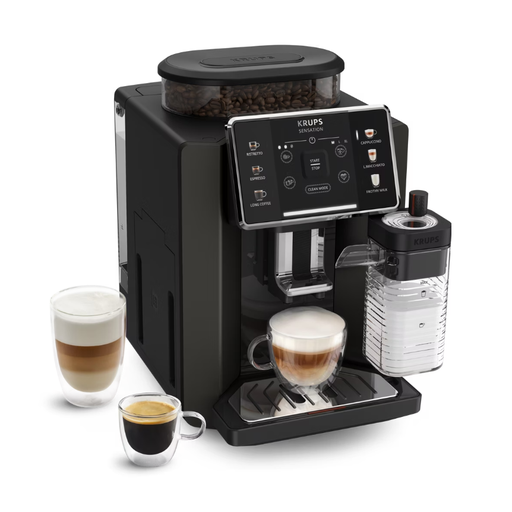
Krups Sensation Milk EA9129
A good bean-to-cup choice for espresso and milk drinks if you want a straightforward morning brew with few manual steps.
Model: EA9129. Colour stated in the product name: black.
View at Joybuy
 No image available
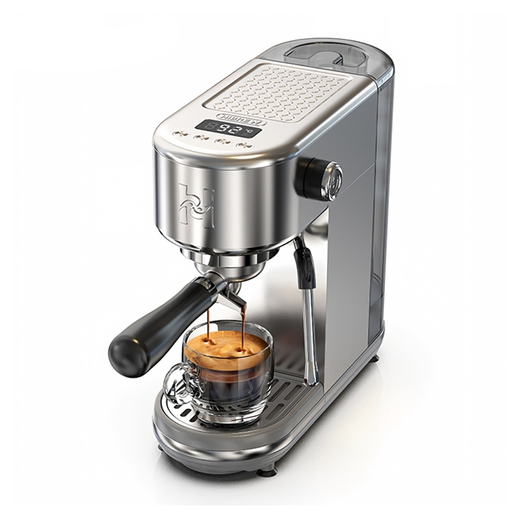
HiBREW H10B Lite
A good fit if you want to adjust the brewing time, brewing temperature and coffee volume yourself, and texture the milk with a steam wand.
The product name lists adjustable brewing time and temperature, adjustable coffee volume and a steam wand.
View at Joybuy
 No image available
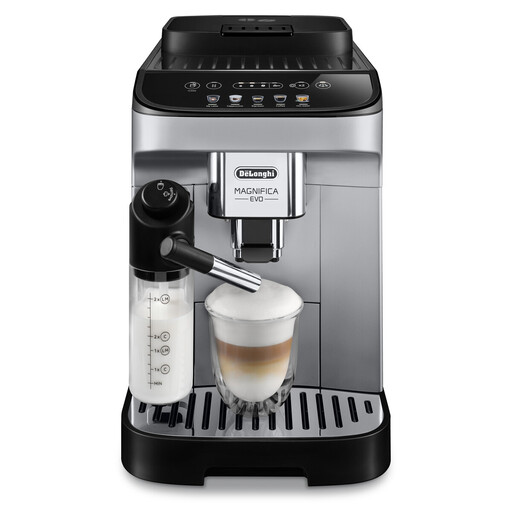
De’Longhi Magnifica Evo ECAM290.61.SB
A good bean-to-cup choice with a milk system if you want to make espresso and milk drinks with fewer manual steps.
Model: ECAM290.61.SB. Colour stated in the product name: silver.
View at Joybuy
 No image available
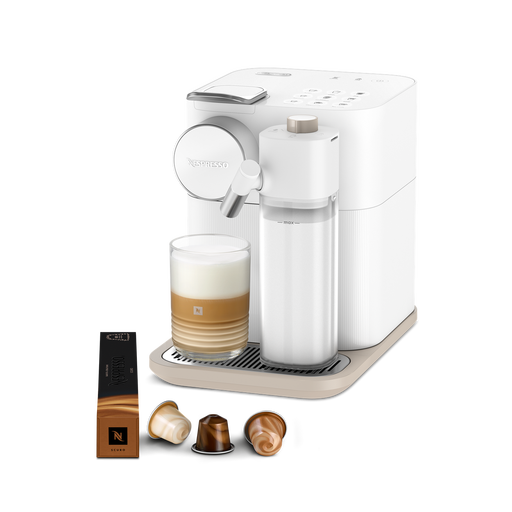
Nespresso Gran Lattissima White Original, EN640.W
A good fit if you want to pair a short espresso with milk and use a capsule-based routine.
The product name lists the Original capsule system, an automatic milk system and one-touch operation. The description states that it uses Nespresso Original capsules.
View at Joybuy
 No image available
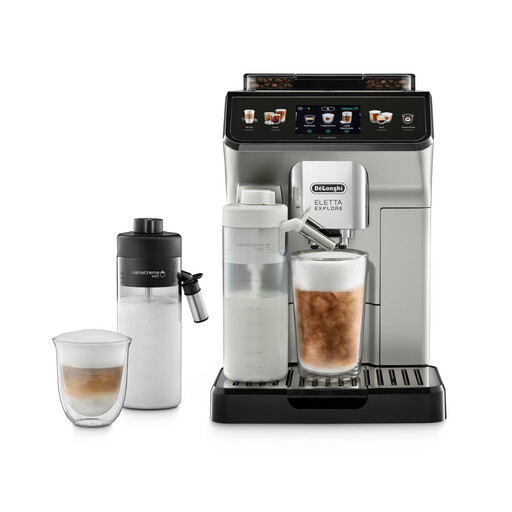
De’Longhi Eletta Explore ECAM450.55.S
A good bean-to-cup choice with a milk system if you want to make your drink directly into a suitable takeaway cup.
The product description lists a takeaway system for cups up to 16 cm tall. This doesn’t guarantee safe storage until lunchtime.
View at Joybuy
Frequently asked questions
How much espresso and milk should I use for a piccolo latte?
As a guide, Barista Hustle describes espresso and textured milk in a ratio of 1:2 to 1:3. What matters is whether you can adjust both quantities to suit your preferred small serving; a drink name printed on the machine doesn’t tell you that.
Can I make my milky coffee in the morning and drink it at lunchtime?
Plan how you’ll store it regardless of which machine you choose. The BfR warns against inadequate refrigeration of perishable foods during transport and recommends clean reusable cups that are easy to wash. This doesn’t establish a general safe storage time for a hot piccolo latte poured into a cup.
What should I bear in mind when caring for a milk system?
Follow the instructions for your specific model and clean all parts that come into contact with milk. Philips describes the LatteGo system on the EP2230/10 as having two parts; De’Longhi notes that how often you need to descale the Dedica Arte depends on the local water hardness. These details apply to the specific models or ranges mentioned.
Is a manufacturer’s guarantee the same as my statutory rights when buying an appliance in Germany?
No. For a consumer purchase, the seller’s statutory liability for defects is separate from a voluntary guarantee. Under section 438 of the German Civil Code (BGB), the usual limitation period for claims relating to defects in goods of this kind is generally two years from delivery. The Verbraucherzentrale explains the difference; check the guarantee terms separately.


