
Lieferung heute & morgen

Qualitätsgarantie

Willkommens-Angebote freischalten: KOSTENLOSE Lieferung | Bis zu 80 % RABATT | Kostenlose 30-Tage-JoyPlus-Testphase
App herunterladen
Anyone who wants to prepare authentic Chinese dishes at home often faces the challenge of finding the right Asian ingredients. In particular, pickled mustard greens, a cornerstone of many regional cuisines, are available in numerous varieties whose differences aren't always clear to the uninitiated. The search for the right product for a specific recipe like Suan Cai Yu or as a simple side dish can be confusing.
This guide serves as a helpful resource. It explains the most important types of Chinese pickled mustard greens, what to look for when buying them, and presents a selection of products for various culinary purposes. The goal is to provide you with an informed basis for your purchasing decision, so you can find the exact ingredient you need for your cooking project.
Choosing the right product largely depends on its intended use. The following points will help you identify the perfect option.
The term "pickled mustard greens" is an umbrella term for various products that differ significantly in taste, texture, and preparation. The three most well-known types are:
Check whether the product is ready-to-eat or needs to be cooked. Many Zha Cai products are designed as a snack or an instant side dish and are often packed in small, convenient single-serving packets. Suan Cai for soups or dried Mei Cai, on the other hand, are cooking ingredients that require further preparation as part of a recipe. The package size should also suit your needs—single servings for quick consumption, larger packs for preparing main courses.
Here is a selection of different types of pickled mustard greens, each suited for different culinary applications.
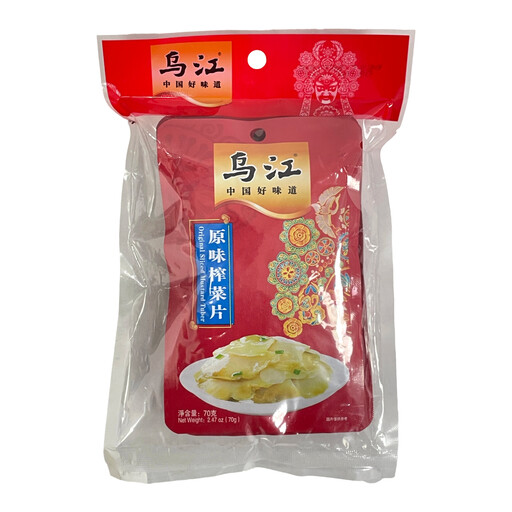
Why it stands out: This product is a classic example of ready-to-eat Zha Cai. The main ingredient is the mustard tuber (94% according to the manufacturer), which is sliced and seasoned. What makes it special is the packaging: the total 280g quantity is divided into four separate 70g portions, which simplifies handling and storage.
Benefits:
Who it's for: Ideal for those looking for a quick, savoury snack or a simple side dish for rice, noodles, or congee. Also practical for on-the-go or as an addition to a lunchbox.

Why it stands out: This product is not just pickled greens, but a complete Suan Cai Yu seasoning kit. It contains both the necessary Suan Cai (25% according to the manufacturer) and a spicy broth base. This makes it easy to prepare the complex Sichuan dish "Fish with Sour Greens" at home.
Benefits:
Who it's for: Perfect for home cooks who love Sichuan cuisine and want to authentically recreate the signature dish Suan Cai Yu without the hassle. It eliminates the need to source individual components.
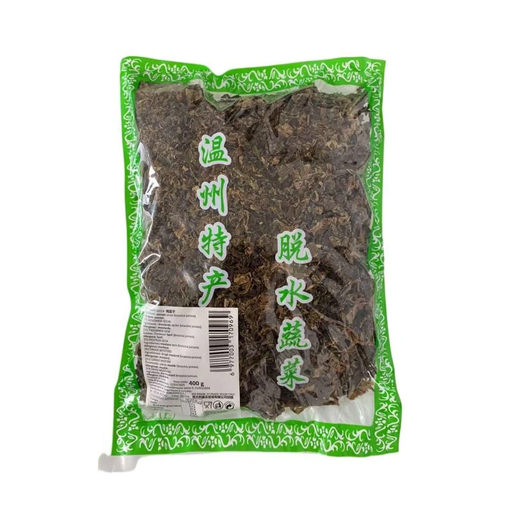
Why it stands out: This product is traditional Mei Cai, a dried pickled mustard green that gets its intense, sweet-and-salty flavour from sun-drying. It is a pure cooking ingredient and forms the flavour base for classic braised dishes. It usually needs to be soaked before use.
Benefits:
Who it's for: Essential for anyone who wants to prepare traditional Chinese dishes like "Meicai Kourou" (steamed pork belly) or other braises and fillings that require a deep, rich flavour.
The selection presented here covers some of the most common use cases. If you are looking for other varieties or different brands, you can find a wider selection in our broader category.
? Explore more vegetable pickles here
1. What is the difference between Zha Cai, Suan Cai, and Mei Cai? In short: Zha Cai is a crunchy, pickled mustard stem, often eaten as a side dish. Suan Cai are sour, fermented mustard leaves, mainly used for the soup "Suan Cai Yu." Mei Cai is a dried, salty-sweet mustard green that serves as an ingredient for braised dishes like "Meicai Kourou."
2. How do I store opened pickled mustard greens? Storage instructions vary by product. Ready-to-eat products in single servings should be consumed immediately after opening. Larger packs of pickled vegetables, especially those in liquid, should be stored in the refrigerator after opening and consumed within a few days. Dried mustard greens like Mei Cai should be resealed tightly after opening and stored in a cool, dry place to keep out moisture. Always follow the instructions on the packaging.
3. Can you eat pickled mustard greens straight from the package? That depends on the type. Zha Cai is often designed as a ready-to-eat snack or side dish and can be eaten directly. Suan Cai from a soup seasoning kit or dried pickled mustard greens like Mei Cai, however, are raw cooking ingredients and must be prepared according to the recipe (e.g., boiled or steamed) before consumption.