
Lieferung heute & morgen

Qualitätsgarantie

Willkommens-Angebote freischalten: KOSTENLOSE Lieferung | Bis zu 80 % RABATT | Kostenlose 30-Tage-JoyPlus-Testphase
App herunterladen
Pickled mustard greens are a versatile ingredient for rice, noodles, soups and stir-fries. However, you’ll find several different varieties on sale in Germany: finely chopped Chinese mustard greens, pickled mustard leaves, crunchy mustard stems, spicy seasoned mixes and dried mustard greens. Their flavour, salt content, pack size and preparation requirements can vary considerably.
If you focus only on words such as “traditional” or “authentic”, it’s easy to end up with the wrong variety. What matters is the specific ingredient list, how you plan to use it and whether you can use the quantity after opening.
Chinese mustard greens can be made from leaves, stems, roots or a mixture of these. Finely chopped products are ready to use as a topping, while larger pieces have more bite. Dried pickled mustard leaves, on the other hand, need to be soaked and rinsed before cooking.
Names such as Suan Cai, pickled mustard greens and Pickled Mustard Greens can refer to different recipes. Check the ingredient list to avoid accidentally buying a sweet, oily or particularly spicy variety when you’re looking for a mild side dish.
Pickled vegetables often contain salt to help preserve them. The nutritional information for the products available ranges from 4.45 g of salt per 100 g for Yun Shan Ban to 12 g of salt per 100 g for Green Deer King, for example. If you choose a very salty variety, a quick rinse may help. However, this will change the flavour and remove some of the seasoning liquid.
Chilli, oil, sugar, soy sauce, garlic, ginger and spices also shape the flavour. A chilli mix works well with stir-fried noodles, but may be too intense for a clear soup or a mild rice dish.
A 400 to 800 g pack is a good choice for households that cook Chinese food regularly. If you’ll only use it occasionally, smaller 80 to 240 g packs are easier to finish. Many products should be refrigerated and used soon after opening. Always follow the instructions on the packaging.
Before buying, check at least the following:
For example, the Fan Pi Xiong Di chilli mix contains soya and wheat. Ji Xiang Ju lists soya, wheat and sulphites, among other ingredients. If you have allergies or intolerances, always check the current product label.
Smaller packs are handy for individual meals or if you’re trying the product for the first time. Packs of 150 g × 2 or 200 to 240 g offer a flexible amount. If you use pickled mustard greens regularly in rice, noodles and soups, consider a 350, 400, 464 or 800 g pack.
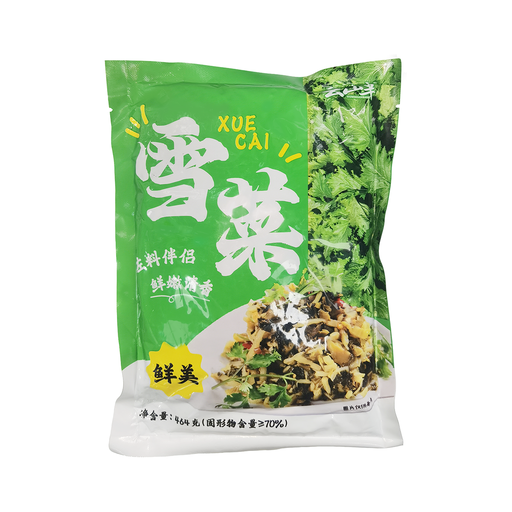
Why this product suits you: The 464 g pack gives you plenty for rice, noodles, congee or stir-fries. According to the product information, it’s ready to eat and contains mustard greens, water, salt and other listed ingredients.
The clearly stated pack size and salt content of 4.45 g per 100 g make it easier to plan portions and balance the flavour.
464 g pack, ready to eat and versatile as a side dish or seasoning.
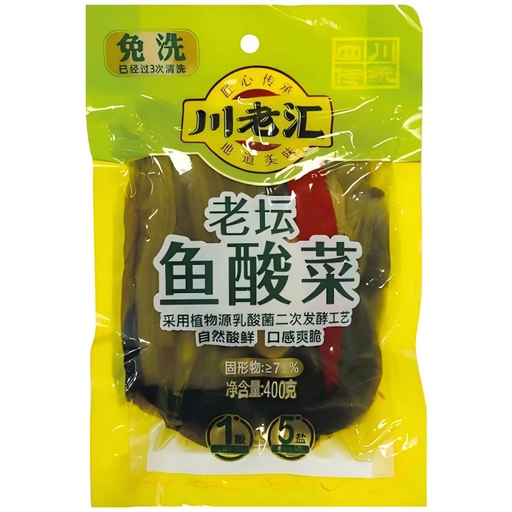
Why this product suits you: According to the product information, this recipe is designed especially for fish dishes and the Sichuan soup Suan Cai Yu. Its sour, savoury flavour also works well with rice and congee.
Its specific intended use helps you avoid buying a very sour variety without a suitable recipe in mind.
400 g pack, with a stated sodium content of 3,628 mg per 100 g; suitable for fish soup or stir-fries.
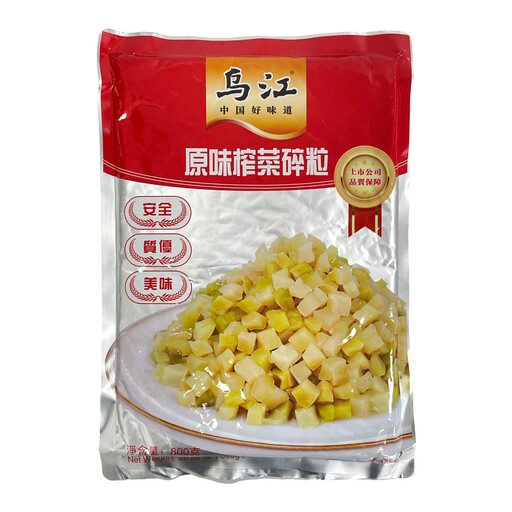
Why this product suits you: The 800 g pack is aimed at households that regularly enjoy crunchy pickled Chinese vegetables with rice, noodles or congee, or use them as a filling.
The name “Crunchy Chunks” makes clear that this is a chunky variety, rather than a finely puréed or very soft product.
800 g pack, with 94% mustard root declared, and a crunchy texture.
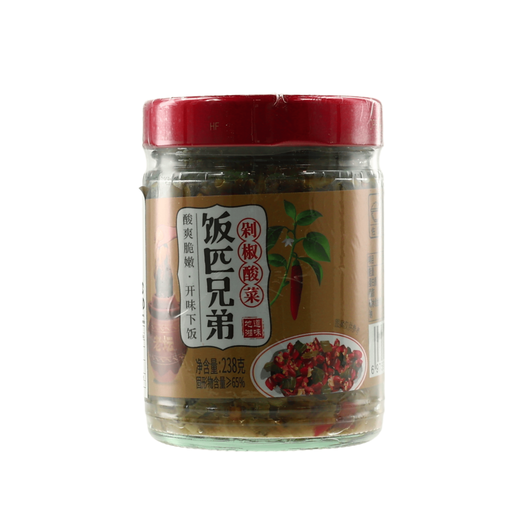
Why this product suits you: The combination of pickled mustard greens, chilli, ginger, garlic and oil is made for spicy rice and noodle dishes, as well as stir-fries.
The ingredient list makes it clear this isn’t a mild, plain side dish, but a sour, salty and spicy seasoning mix.
238 g pack, ready to eat, with 108 kcal and 8.0 g of salt per 100 g.
We’ve put together a complete, regularly updated list of products that meet these strict selection criteria and the safety regulations in force in the EU.
Ready-to-eat varieties can be served straight from the pack with rice, noodles, congee or steamed dumplings. For stir-fries, briefly fry the greens with garlic, egg, tofu or meat. Rinsing salty products beforehand can mellow the flavour.
In Chinese, Suan Cai refers to pickled vegetables, usually with a sour flavour and often made with mustard greens. Depending on the region and product, it may contain leafy greens, stems or other parts of the plant. Check the ingredient list to see exactly which variety you’re buying.
This depends on the product and the instructions on the packaging. Opened packs often need to be refrigerated and used soon after opening. Use a clean utensil to serve the greens, avoid contaminating them with used cutlery, and don’t eat them if their smell, appearance or taste seems unusual.