
Lieferung heute & morgen

Qualitätsgarantie

Willkommens-Angebote freischalten: KOSTENLOSE Lieferung | Bis zu 80 % RABATT | Kostenlose 30-Tage-JoyPlus-Testphase
App herunterladen
Pickled radish is a staple in many Asian cuisines, but the variety can be overwhelming. Whether you're looking for the crisp, yellow Takuan for sushi, spicy radish kimchi as a side dish, or a special Chinese variety for your noodle soup, choosing the right product is key to an authentic culinary experience. This guide will help you understand the differences between the types and make an informed choice when you want to buy pickled radish.
To find the right product for your needs, some basic knowledge of its origin, variety, and preparation is helpful.
The term "pickled radish" covers a wide range of products with very different flavour profiles, which are heavily influenced by their origin.
Pickled radish is available in various forms, optimised for different uses:
Before buying, check whether the product is already seasoned and ready to eat, or if it's a basic pickled radish that can be further prepared.
Here is a selection of different types of pickled radish that cover various flavour profiles and uses in Asian cuisine.
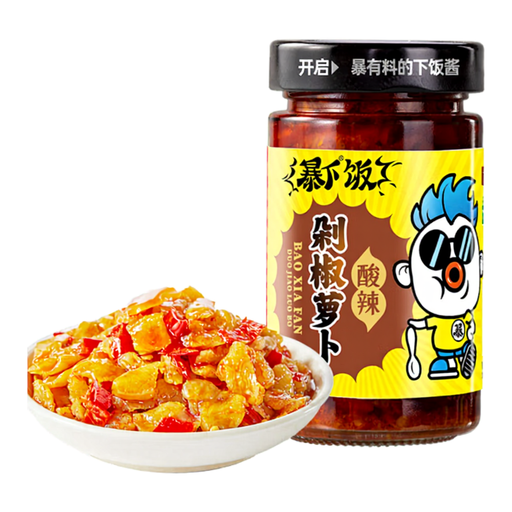
Why It Stands Out: This product combines crisp radish strips with the classic spicy and sour flavour of chopped chillies (Duo Jiao), a speciality of Chinese cuisine.
Pros:
Who It's For: For fans of spicy Chinese cuisine looking for a straightforward and flavour-packed side dish.
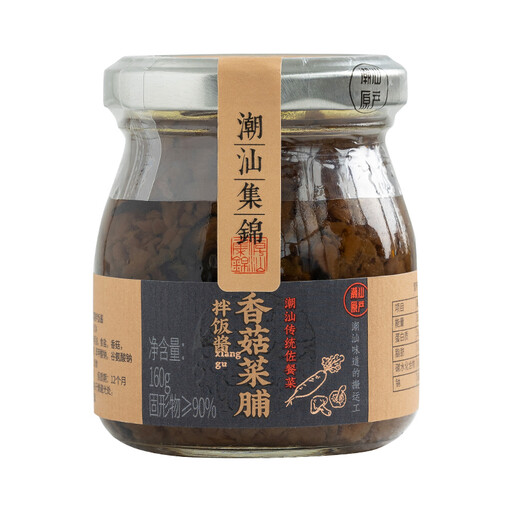
Why It Stands Out: A traditional speciality from the Chaoshan region that combines pickled radish with mushrooms, offering a deep, savoury umami flavour.
Pros:
Who It's For: For food enthusiasts who want to try an authentic and less common variety of Chinese pickled radish. Pairs well with rice porridge (congee) and simple rice dishes.
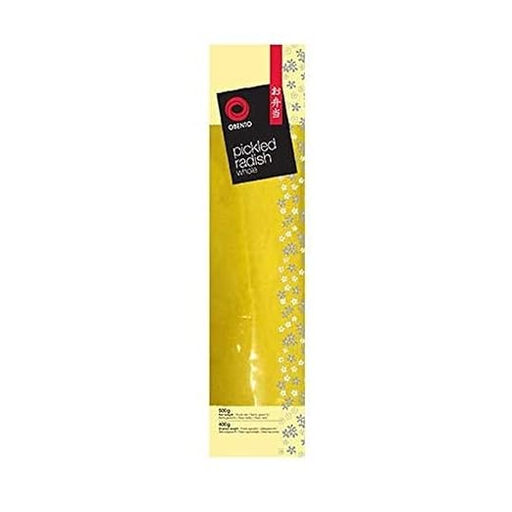
Why It Stands Out: This is a classic, whole Takuan (Japanese radish) distinguished by its crunchy texture and typical sweet and sour taste. It is also known as Danmuji in Korean cuisine.
Pros:
Who It's For: For home cooks who want to prepare authentic sushi or kimbap and decide on the thickness and shape of the radish strips themselves.
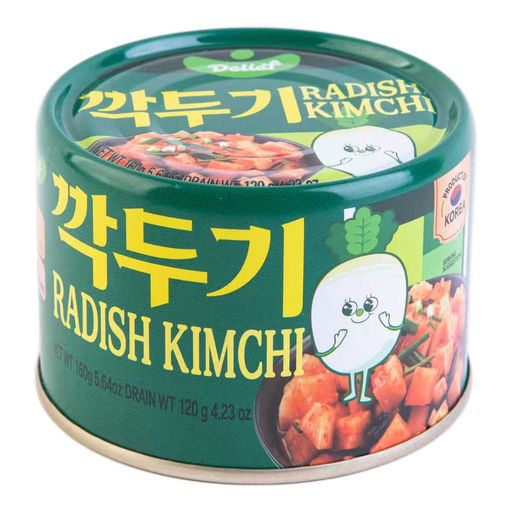
Why It Stands Out: This product is a classic Kkakdugi (radish kimchi) in a convenient cubed form, packed in a can for a long shelf life.
Pros:
Who It's For: For lovers of Korean cuisine looking for a ready-made, spicy side dish (banchan) to accompany grilled meats, soups, or rice dishes.
Our selection covers some of the most popular varieties, but the world of pickled radish is far more vast. If you're looking for a different flavour profile or a specific regional variety, you might find the right product in our wider selection.
Discover more varieties of pickled radish here
Takuan is the Japanese term for a sweet and sour pickled daikon radish. Danmuji is the Korean name for a very similar, often identically flavoured, product. While Takuan is often served as a side to traditional Japanese meals, Danmuji is a standard ingredient in Korean kimbap and is often served with Jajangmyeon (noodles in black bean sauce).
After opening, pickled radish should be stored in the refrigerator, ideally in its original liquid to prevent it from drying out. The exact shelf life varies by product and preservation method. As a rule, it should be consumed within a few days to a week. Always follow the instructions on the product packaging.
Yes, Kkakdugi is the specific Korean term for radish kimchi that is cut into cubes. While the term "radish kimchi" can generally describe any fermented radish, Kkakdugi specifically refers to the popular cube-shaped, spicy version.