
Lieferung heute & morgen

Qualitätsgarantie

Willkommens-Angebote freischalten: KOSTENLOSE Lieferung | Bis zu 80 % RABATT | Kostenlose 30-Tage-JoyPlus-Testphase
App herunterladen
Asian pickled vegetables, from spicy kimchi to crisp zhacai, are a staple in many cuisines and are rapidly gaining global popularity. However, the growing selection can be overwhelming. For those seeking authentic products, whether as a specific ingredient or a ready-to-eat side dish, navigating the cluttered shelves can be a challenge. Unmet expectations about flavour and spice, or unclear product labels, can easily lead to a disappointing purchase. This guide will help you avoid the common pitfalls and find the perfect product for your needs.
The search for the right pickled vegetables can be frustrating when the result doesn't meet your expectations. Pay attention to these three points to avoid disappointment:
spicy pickled vegetable from Sichuan cuisine has a different heat profile than a spicy Turkish Tursu. Without precise information about the type of chilli or preparation method, it's difficult to gauge the intensity, which is especially problematic when following a recipe.fermented vegetables for their health benefits, you should scrutinise the ingredients carefully.To find the right product, three core characteristics are crucial. A close look at these parameters will ensure you get exactly what you need for your dish or side.
The foundation of any pickled product is the vegetable itself. The type of vegetable and how it's processed are the primary determinants of its texture and use.
pickled mustard greens (often called Suan Cai or Chinese sauerkraut), it's the key ingredient for the dish Suan Cai Yu (Fish with Pickled Greens). The stem of the mustard green is processed into Zhacai, a crisp, salty pickle often sold in strips or cubes.Korean pickled vegetables, especially kimchi. Its leaves are more tender than mustard greens and readily absorb the flavours of the seasoning paste.Asian pickles or Turkish Tursu.The cut (whole leaves, strips, cubes) is also relevant. Whole leaves are great for portioning yourself, while pre-cut pieces are convenient for quick side dishes or as an ingredient in stir-fries.
It's important to distinguish between two fundamental preservation methods, as they significantly impact the product's flavour and characteristics.
Fermented vegetables are also considered a source of probiotics.Zhacai varieties and Turkish Tursu are made this way and are known for their crisp texture.A look at the ingredient list is essential. For a Suan Cai Yu seasoning kit, pickled mustard greens should be one of the first ingredients. For authentic kimchi, ingredients like Gochugaru (Korean chilli powder) and fish sauce are crucial. The country of origin can also indicate the expected flavour profile. Products from Sichuan, China, are often known for their "mala" (numbing and spicy) heat, while Korean products offer a balanced mix of spice, sourness, and umami.
Based on these criteria, we have selected a few products to suit different needs and preferences.

Why This Fits Their Persona: Ideal for home cooks who want to prepare the complex dish Suan Cai Yu (Fish with Pickled Greens) at home. This kit provides all the necessary seasoning components for an authentic flavour.
The product is designed as a specific Suan Cai Yu seasoning kit. It eliminates the guesswork of achieving the right flavour profile and spice level, as all components are perfectly balanced.
A complete kit including a seasoning base, marinade, and pickled vegetables. It simplifies the preparation of a complex dish, delivering authentic Sichuan flavour.
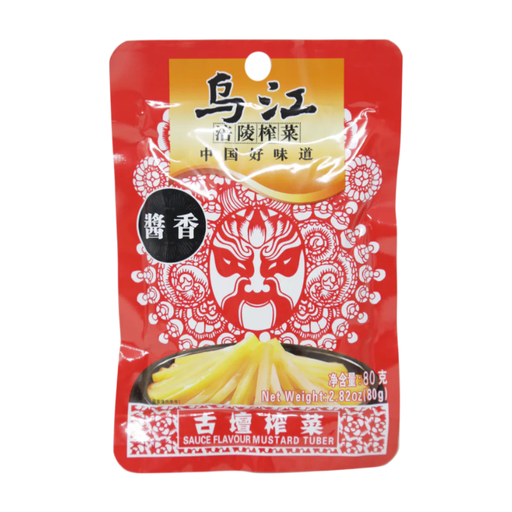
Why This Fits Their Persona: Perfect for busy professionals, students, or anyone looking for a quick, flavour-packed side for rice, noodles, or congee. The 80g packet is ideally portioned for a single meal.
The "Soy Sauce Flavour" designation clearly defines the taste profile. As a classic Zhacai product from a well-known brand, it offers a reliable, crisp texture and a savoury, salty taste.
Ready-to-eat and conveniently portioned. The crisp texture holds up well, adding an interesting element to simple dishes.
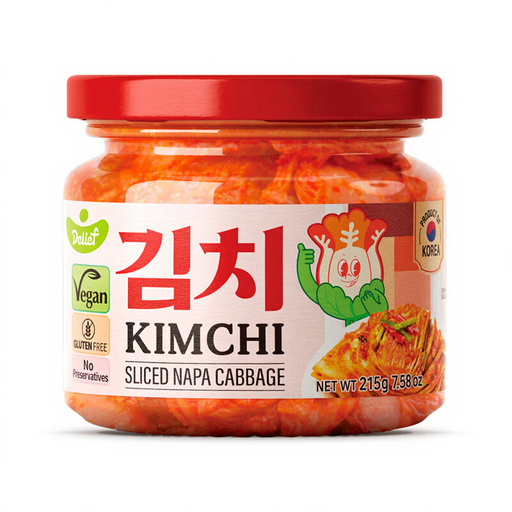
Why This Fits Their Persona: For anyone seeking authentic, fermented vegetables. This kimchi delivers the characteristic tangy and spicy flavour, making it a versatile side dish or ingredient.
This product is clearly labelled as Kimchi made from napa cabbage and described as fermented. This prevents confusion with vegetables simply pickled in vinegar and ensures the expected authentic taste.
Authentic Korean flavour achieved through fermentation. Conveniently pre-sliced and packaged in a resealable jar.
We have curated a complete, up-to-date list of products that fully meet these strict selection criteria.
1. How long do Asian pickled vegetables last after opening? Shelf life varies by product. Fermented products like kimchi can often last for several weeks to months in the refrigerator, during which their flavour will continue to develop and intensify. Vegetables pickled in oil or brine should also be refrigerated after opening and typically consumed within one to four weeks. Always refer to the manufacturer's instructions on the packaging. It is recommended to use clean utensils to remove the vegetables to prevent cross-contamination.
2. What is the difference between Chinese sauerkraut (Suan Cai) and German sauerkraut? Although both are made through fermentation, there are key differences. German sauerkraut is made from white cabbage and is typically fermented with only salt, resulting in a purely sour taste. Chinese sauerkraut (Suan Cai) is usually made from mustard greens and is often prepared with additional spices like chilli or Sichuan peppercorns. This gives it a more complex, and often spicier and saltier, flavour profile.
3. Can I use a Suan Cai Yu seasoning kit for other dishes? Yes, the seasoning base is very versatile. The included pickled mustard greens and seasoning paste are excellent for adding a tangy, savoury note to stir-fries with pork or chicken. You can also use the paste as a base for noodle soups or simply serve a small amount of the pickled vegetables as a side dish.