
Lieferung heute & morgen

Qualitätsgarantie

Willkommens-Angebote freischalten: KOSTENLOSE Lieferung | Bis zu 80 % RABATT | Kostenlose 30-Tage-JoyPlus-Testphase
App herunterladen
Pickled vegetables are incredibly versatile: they go well with rice, noodles, soups, sandwiches, barbecued dishes and classic German meals. At the same time, products can vary considerably in terms of salt content, ingredients, preparation method, pack size and refrigeration requirements. If you choose based solely on the jar size or product image, you may easily end up with a speciality that is too salty, too sweet or unsuitable for your intended use.
As a Joybuy Product Recommendation Officer, I filter the most important information from product descriptions and organise it according to typical usage scenarios. This makes it easier to choose Chinese mustard greens, sauerkraut, pickled red cabbage or Vietnamese pickled vegetables to suit your needs.
Pickled vegetables may be prepared using brine, vinegar, sugar, acidity regulators or a combination of these methods. A product may be described as fermented vegetables even though the ingredients list also includes vinegar or preservatives. The specific ingredients list is therefore what matters when making your choice, rather than the name used on the front of the packaging.
Pickled mustard greens and pickled mustard leaves, for example, are often sold salted, fermented or dried. The preparation method can therefore vary considerably.
Pickled vegetables are often a concentrated side dish. Several grams of salt per 100 grams may be possible with Chinese mustard greens and other heavily salted specialities. A low energy content therefore says little about whether a product is genuinely suitable for a low-salt diet.
Before buying, you should check:
A large jar or multipack is mainly worthwhile if you use the product regularly. Once opened, many preserved vegetable products need to be stored in a cool place and should be used promptly. For occasional use, a smaller pack may be more convenient, even if the unit price is higher.
Some products can be served straight from the jar, tin or pouch. Others require preparation. Dried pickled mustard leaves, for example, should be soaked in clean water and then rinsed. Fangjia Puzi specifies a soaking time of 5 to 10 minutes and rinsing once or twice; the product must then still be cooked.
Ready-to-eat products are ideal for spontaneous meals. If you are cooking Chinese soups, rice dishes or stir-fries, you can also choose a dried variety.
Read the full ingredients list. Relevant information may include:
According to the product information, Ngọc Liên Dưa Chua/Dưa Món Huế contains fish sauce and sulphites, among other ingredients, and indicates a source of phenylalanine from aspartame. This is important information for allergy sufferers and people with relevant intolerances.
Compare the net quantity with how you actually intend to use the product. A 150g pouch is suitable for individual dishes, while 430g, 720ml or 850ml may be more appropriate for regular family meals.
Before opening, many products can simply be stored in a cool, dry place. Once opened, however, follow the instructions on the label: refrigeration is often required. The best-before date generally applies to the unopened packaging and should not be confused with a blanket shelf life after opening.
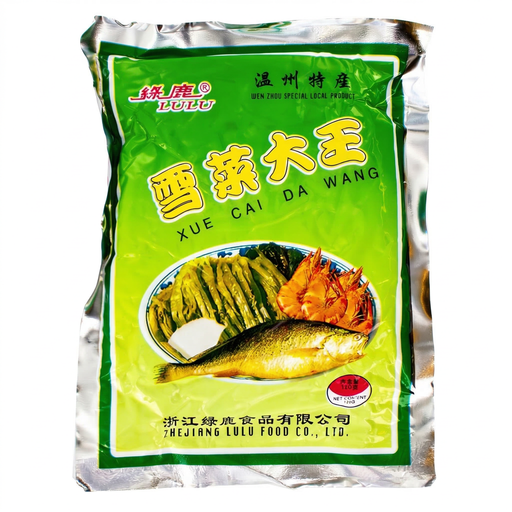
Why this product suits this profile: The small pack is ideal for trying Chinese pickled vegetables for the first time. According to the product information, it is ready to eat and can be served with rice, noodles or as a side dish.
The portion size reduces the risk of not using up a large pack in time after opening. However, with 12g of salt per 100g, the salt content should be taken into account before consumption.
150g contents, finely sliced and ready to use; according to the product information, contains mustard as an allergen, as well as a preservative and flavour enhancer.
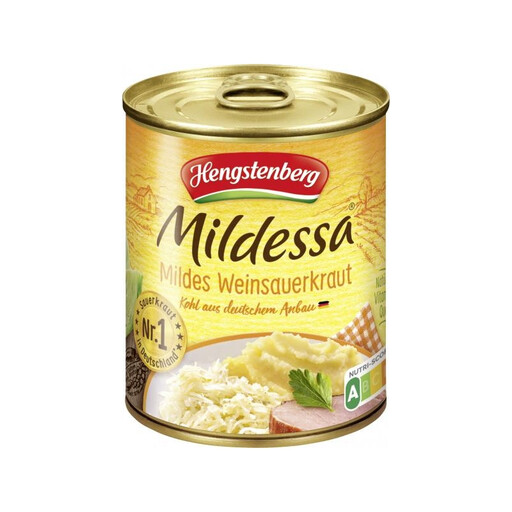
Why this product suits this profile: For classic German cuisine, vegetarian meals and family-sized portions, this sauerkraut offers a generous quantity and clear preparation instructions for the hob or microwave.
The ingredients list names white cabbage, wine and salt. It also states that no added preservatives, colourings or flavour enhancers are used.
850ml, vegetarian, vegan and gluten- and lactose-free according to the product information; 1.1g of salt per 100g.
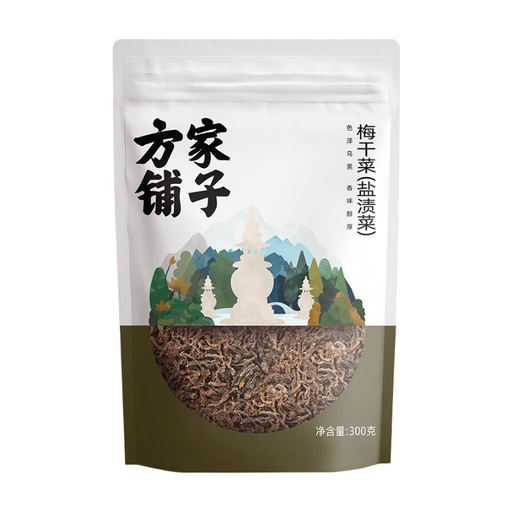
Why this product suits this profile: The dried format is ideal for keen home cooks who want to use pickled mustard leaves specifically in soups, stews or Chinese rice dishes.
The required preparation is clearly stated: soak, rinse once or twice, then cook. This prevents the dry texture from being mistaken for a ready-to-eat preserved product.
300g contents, listed as containing only mustard leaves and table salt; 8.02g of salt and 0g of carbohydrates per 100g.
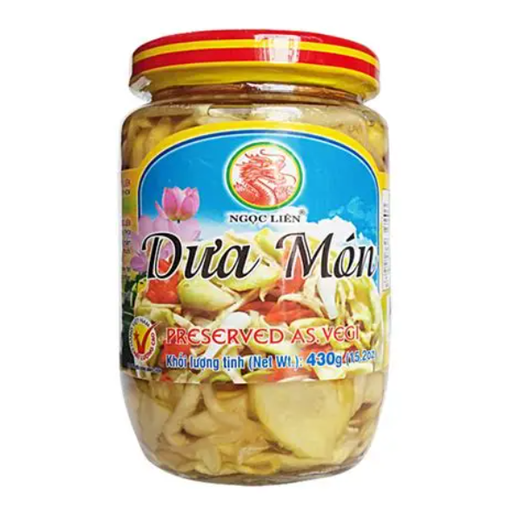
Why this product suits this profile: This Vietnamese speciality combines papaya, radish, carrot, cucumber, leek, garlic and chilli. It is intended as an Asian side dish with rice, sticky rice, grilled meat or fried meat.
The ingredient and allergen information makes it clear that the product contains fish sauce, sulphites and several additives. This makes it easier to check before buying.
430g contents, several crunchy vegetable varieties and a sweet-and-sour seasoning according to the product description; 5g of salt per 100g.
We have put together a complete, regularly updated list of products that fully meet these strict selection criteria and the safety regulations applicable in the EU.
There is no single time limit that applies to every product. The packaging, liquid, ingredients and manufacturer's instructions are all relevant. As a rule, opened jars, tins or pouches should be stored in a cool place and used within the period stated on the packaging. With preserved products, it is advisable to transfer leftovers to a suitable sealable container.
That depends on the product. Ready-to-eat Chinese mustard greens can be used straight away, while rinsing may reduce the salty flavour. Dried pickled mustard leaves, on the other hand, must first be soaked, rinsed and cooked. Always follow the specific instructions for use.
Sauerkraut often goes well with potatoes, sausages, stews and hearty dishes. Pickled red cabbage is frequently served cold or warmed with roasts, poultry, sandwiches and seasonal menus. The choice mainly depends on the level of acidity, sweetness, colour and texture you prefer. If you would like to explore several cuisines, you can combine German preserved vegetables with Chinese mustard greens or Vietnamese pickled vegetables.