
Lieferung heute & morgen

Qualitätsgarantie

Willkommens-Angebote freischalten: KOSTENLOSE Lieferung | Bis zu 80 % RABATT | Kostenlose 30-Tage-JoyPlus-Testphase
App herunterladen
A pill organiser can keep your medicines, vitamins and supplements neatly organised. However, not every pill box suits every lifestyle. Small compartments are handy when you’re travelling, but may not fit large fish oil capsules. A weekly pill organiser saves you having to sort your pills every day, but takes up more space. And a case advertised as “waterproof” shouldn’t automatically be stored in the bathroom or packed alongside liquids in your luggage.
Three things are often overlooked when buying a pill box:
If you take prescription medicines, you should also follow the instructions on the packaging. Some medicines need to stay in their original packaging or be protected from light, heat and moisture. A pill organiser is not a substitute for advice from a doctor or pharmacist.
The compartments determine how flexibly you can use a pill box:
Choose a pill organiser with compartments large enough to hold your tablets and capsules without crushing them. For vitamins and supplements, larger compartments are often more useful than particularly shallow daily sections.
Look for clear markings, a secure fastening and a design that suits the person using it. For older people or anyone with limited hand strength, slide-open lids or lids that are easy to open may be more suitable than very tight snap fastenings.
An airtight lid may help reduce exposure to air and moisture, if the manufacturer describes it as such. When travelling with a pill box, it’s also a good idea to keep it dry in a separate bag. “Moisture-resistant” doesn’t necessarily mean that the product has a watertight seal.
Common materials include plastics such as PP or ABS. The manufacturer’s specific instructions on cleaning and use are what matter. A BPA-free pill box should be explicitly described as such in the product details; you shouldn’t assume it based on the material name alone.
A built-in tablet splitter can be useful for tablets that are suitable for splitting. It isn’t intended for capsules or liquid-filled medicines. Check with your doctor or pharmacist before splitting a tablet. If you take medicines that are sensitive to environmental conditions, also check whether they can be transferred to a pill organiser.
The models below vary in the number of compartments, size and extra features. Claims such as “waterproof”, “BPA-free” or “airtight” refer to the respective product descriptions, so check the product page again before buying.
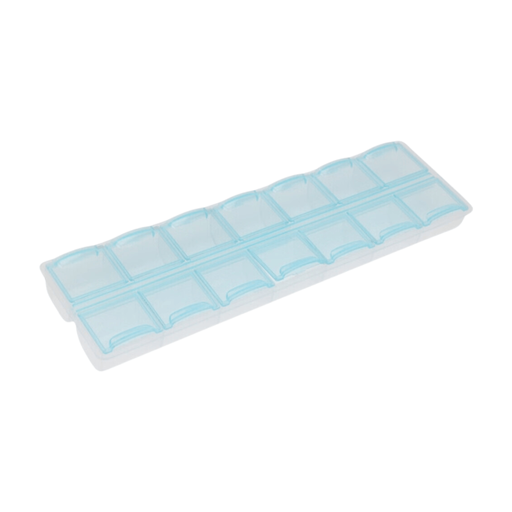
Why it suits this profile: This classic compartment pill box is a good choice if you want to get your medicines or supplements organised without needing a complex weekly layout.
The compartments help keep different tablets separate. Check the size, fastening and exact number of compartments before you buy.
Made from PP according to the product name; several separate sections for simple organisation.
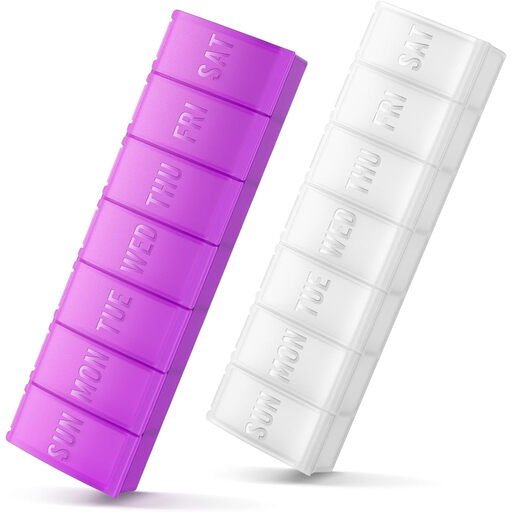
Why it suits this profile: With a weekly layout and larger compartments according to the product description, this organiser is designed for people who want to prepare several vitamins, fish oil capsules or medicines in advance.
According to the product description, the deeply engraved day labels are designed to stay legible over time, avoiding the need for stickers that can peel off easily.
BPA-free plastic and two organisers in the set according to the product description; seven daily compartments.
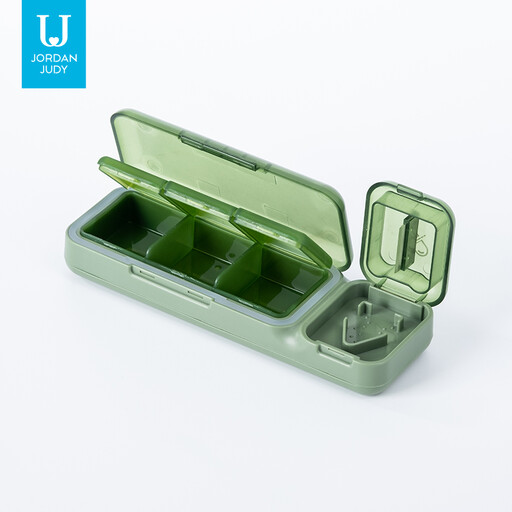
Why it suits this profile: Its compact size makes it suitable for a handbag, jacket pocket or luggage. The built-in splitter may appeal if you want to keep tablets that can be split separate.
Its compact design avoids taking up unnecessary space in your luggage. The blade is sharp and, according to the product description, must not be used on capsules or liquid-filled tablets.
ABS plastic, stainless steel blade and several compartments according to the product description; handy mini size.
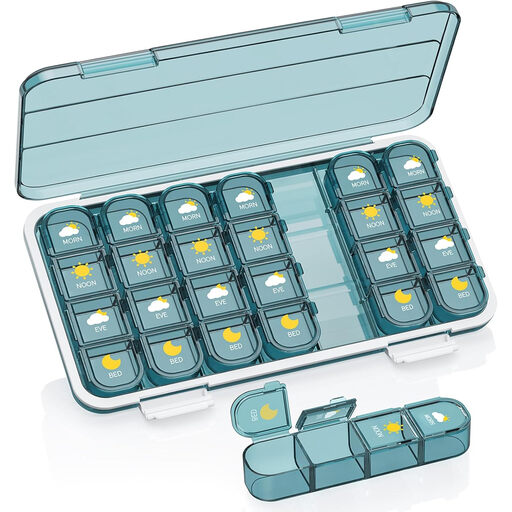
Why it suits this profile: The seven-day layout with four dosing times is suitable if you need a regular daily routine or manage several different medicines or supplements.
A clear layout by day and time helps prevent mix-ups with loose tablets. Check that its actual capacity suits the number of medicines you take.
Seven-day layout, four time-of-day compartments per day and separate containers according to the product name.
We’ve put together a complete, regularly updated list of products that meet these strict selection criteria and fully comply with the safety regulations in force in the EU.
It depends on how you use it. If you use it every day, regular cleaning with a slightly damp cloth is a good idea. Make sure all the compartments are completely dry before refilling them. Water, harsh cleaning products and prolonged soaking can damage the material, fastenings or metal parts. Always follow the manufacturer’s care instructions.
There’s no set lifespan. Check the lids, hinges, labels and compartments regularly. If a fastening no longer closes securely, the plastic is cracked or a blade is damaged, replace the pill box. If it has a tablet splitter, also check for rust or a blunt blade.
The price depends mainly on the material, number of compartments, pack size and extra features. A small pill box for one day is usually simpler than a weekly pill organiser with sections for several times of day. Price isn’t the only thing to consider: the right fastening, easy-to-read labels and sufficiently large compartments can help you avoid a disappointing purchase.