
Lieferung heute & morgen

Qualitätsgarantie

Willkommens-Angebote freischalten: KOSTENLOSE Lieferung | Bis zu 80 % RABATT | Kostenlose 30-Tage-JoyPlus-Testphase
App herunterladen
A pillow affects your sleeping position, pressure distribution and how comfortable you feel lying down. Yet many shoppers choose one mainly based on its appearance, price or a marketing label such as “orthopaedic pillow”. This can lead to a poor purchase: a pillow that is too high can place your neck at an awkward angle, a model that is too soft may let your head sink too far, and a cover that needs a lot of care can make regular cleaning more difficult.
This buying guide explains which features really matter when choosing a pillow. We’ll cover sleeping position, materials, dimensions, care and finding the right pillow protector.
An ergonomic neck pillow may use contours, a central hollow or different heights to influence the position of your head and neck. But that alone doesn’t guarantee a good fit for you. Important factors include:
The label orthopaedic pillow is no substitute for clear information about height, shape and material. If you have persistent discomfort, seek medical advice. A pillow is not a medical device unless it is explicitly labelled as one.
“Memory foam”, latex or fibre filling initially tell you only what a pillow is made from. You should also check whether the core is washable, whether the cover can be removed and how the pillow should be treated after unpacking.
A memory foam pillow can adapt to pressure as it slowly returns to its original shape. The foam core generally shouldn’t be washed in a machine. A latex pillow may offer a different level of bounce and a different feel. If you have a latex allergy, pay particular attention to the manufacturer’s guidance.
An 80x80 cm pillow needs a suitably sized cover. A 63x63 cm cover won’t fit a standard square pillow of this size. Covers that are too tight can alter the pillow’s shape, while oversized covers can crease and affect your comfort.
A waterproof pillow protector should also fit the pillow precisely. Before buying, check whether the product is a protective cover, a pillowcase or a complete pillow.
Side sleepers often need a pillow that fills the gap between the mattress and their head. A side-sleeper pillow may therefore be higher or more contoured. Back and front sleepers often prefer flatter models, although personal preference remains important.
Look for precise measurements rather than broad claims about suitability. For a neck pillow that is 8 cm high, check whether that height applies across the whole surface or only to a particular contour.
Compare:
An “breathable” pillow should come with clear information about its materials and care. “Breathable” is not a standardised quality rating, so check the cover, filling and permitted washing temperature.
A removable, washable cover makes regular care easier. If the foam or latex core can’t be washed, an extra cover and, where appropriate, a waterproof pillow protector can be useful. Waterproof materials may make cleaning easier, but don’t use harsh detergents or high heat if the manufacturer advises against them.
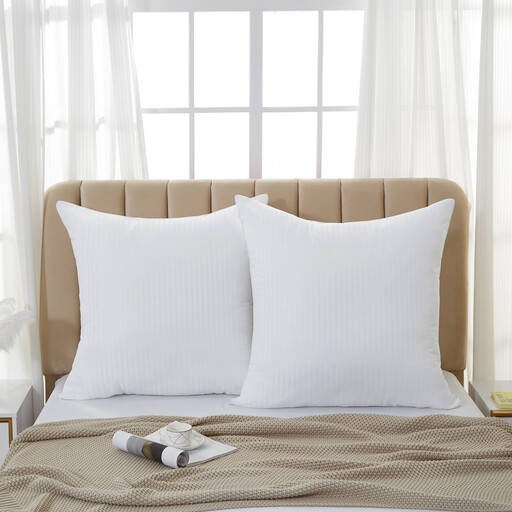
Why this product suits this profile: This set contains two 80 × 80 cm pillows, making it suitable for couples, guest rooms or furnishing a bedroom.
The product details specify the size, quantity, material and care instructions. This makes it easy to check before buying whether the pillows will fit your existing covers.
Two pillows, 80 × 80 cm, polyester microfibre and low-temperature cleaning according to the product details.
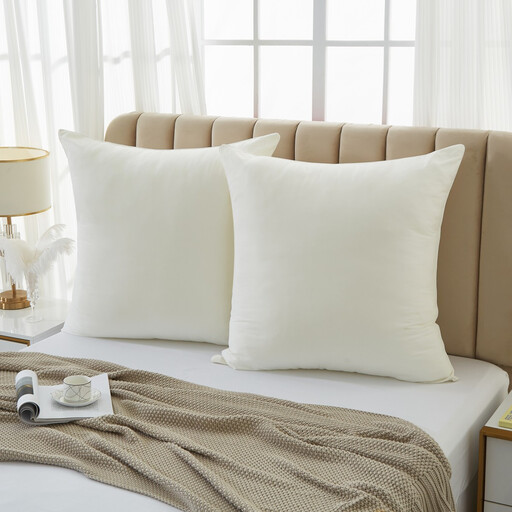
Why this product suits this profile: This set of two 80 × 80 cm pillows is made from polyester microfibre described as water-repellent, making it suitable for frequent use and offering extra protection against spills and stains.
The care instructions rule out bleach, ironing, dry cleaning and high heat. Following them can help preserve the material’s properties.
Two pillows, 80 × 80 cm, smooth microfibre surface and machine-washable below 30 °C according to the product description.
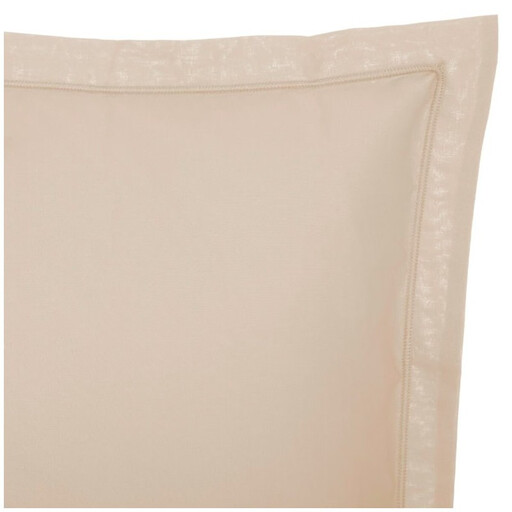
Why this product suits this profile: This 63 × 63 cm cover, made from 100% cotton, is ideal for shoppers looking for a clearly specified cover to fit a matching square pillow.
The exact size is included in the product name, helping prevent you from accidentally buying a cover for an 80 × 80 cm pillow.
63 × 63 cm, 100% cotton and machine-washable according to the care instructions.
We’ve put together a complete, regularly updated list of products that fully meet these strict selection criteria and the safety regulations in force in the EU.
Don’t choose a pillow for neck pain based on that marketing claim alone. Height, contour, sleeping position and how comfortable you find it are more important. An ergonomic neck pillow may provide defined support, but it can’t replace medical advice if your symptoms are persistent or severe.
It depends on the material. Pillowcases can often be washed more regularly than the pillow core. Foam and latex cores are usually not suitable for machine washing. An extra washable cover makes it easier to keep your pillow clean. Always follow the care instructions for the specific product.
Consider replacing your pillow if it no longer holds its shape, stays lumpy, develops an unpleasant smell or shows visible damage to the core. A change in sleeping position or a new bed may also be a good reason to reassess the pillow’s height and material.