
Lieferung heute & morgen

Qualitätsgarantie

Willkommens-Angebote freischalten: KOSTENLOSE Lieferung | Bis zu 80 % RABATT | Kostenlose 30-Tage-JoyPlus-Testphase
App herunterladen
A pillow is more than just a place to rest your head. It's a crucial factor for restful sleep and a key element for adding personality to your home. However, the market is saturated and full of promises. Many buyers invest in products that lose their shape after a short time, are difficult to care for, or simply don't suit their sleeping style. This guide will help you avoid the most common purchasing pitfalls and make an informed decision.
Before you decide on a model, you should be aware of the typical traps that often lead to disappointment.
To make the right choice, focus on objective and verifiable criteria. These three parameters are decisive for function, longevity, and comfort.
The fill material determines a pillow's support, sleep climate, and durability.
The standard size for pillows in Germany is 80x80 cm. This size offers a large surface area but can cause the shoulders to rest on the pillow, which compromises neck support.
A pillow should be easy to clean to ensure hygiene and freshness.
Here are some product recommendations tailored to specific user profiles that avoid the pitfalls mentioned above.

Why it's a great fit: Perfect for anyone looking for a straightforward and functional solution in the standard German format. The 80x80 cm pillow is easy to care for and comes in a convenient two-pack, making it an economical choice for outfitting a bedroom.
It avoids the trap of vague material specifications. The description is clear: 100% polyester microfibre. It doesn't promise miracles but delivers a solid, low-maintenance essential.
The pillows are machine-washable and listed as waterproof, which provides extra protection against spills and stains, making hygiene effortless.
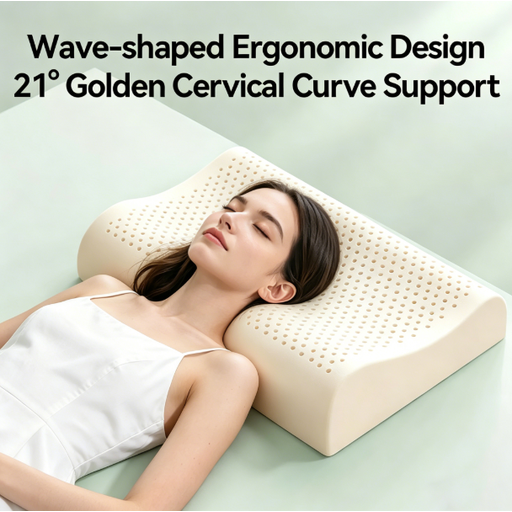
Why it's a great fit: Specifically designed for individuals seeking targeted support to alleviate neck pain. The ergonomic wave shape conforms to the natural curvature of the cervical spine and is suitable for various sleeping positions.
This pillow escapes the "one-size-fits-all" trap with its specialised, ergonomic design. It's not a universal solution but a targeted tool for improving sleep posture.
Made from 93% natural latex according to the manufacturer, a durable and naturally mite-resistant material. The slow-rebound technology ensures even pressure distribution.
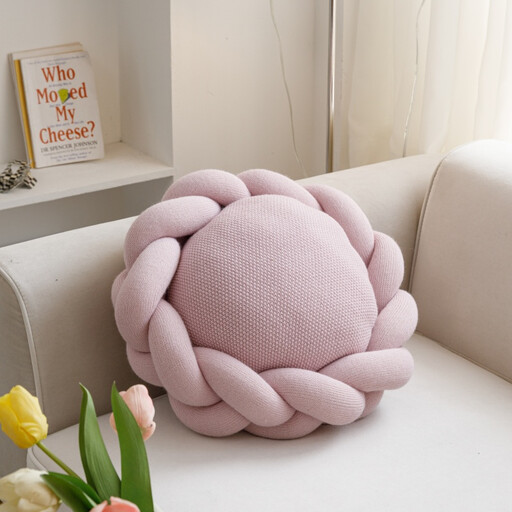
Why it's a great fit: A decorative highlight for any sofa pillow arrangement. The unique wreath design with a removable flower element makes it a playful and charming accent for living rooms or bedrooms.
It sidesteps the trap of impractical decor. This throw pillow is washable, as the cover can be easily removed via a zipper and cleaned on a 30°C gentle cycle.
The pillow is certified according to STANDARD 100 by OEKO-TEX. This ensures it is skin-friendly and free of harmful substances, which is important for direct skin contact on the sofa.
We have compiled a complete, up-to-date list of products that fully meet these strict selection criteria and German safety regulations.
1. How often should you wash a pillow? It is recommended to wash the pillowcase weekly or every two weeks. The pillow itself should be cleaned two to four times a year, depending on the material and manufacturer's instructions, to remove sweat, skin flakes, and dust mites. Always check the care label, as materials like memory foam or down may require special treatment.
2. Which pillow is best for side sleepers? A pillow for side sleepers should be high and firm enough to fill the space between the head and shoulder, keeping the spine in a straight line. Shape-retaining materials like latex or memory foam are often a good choice here. A 40x80 cm pillow can be more beneficial than the classic 80x80 cm format, as it provides more targeted neck support.
3. When is it time to replace a pillow? A pillow should generally be replaced every one to three years. A simple test: fold the pillow in half. If it doesn't spring back into shape on its own, it has lost its support and should be replaced. Other signs include clumping, permanent discolouration, or if you regularly wake up with neck or head pain.