
Lieferung heute & morgen

Qualitätsgarantie

Willkommens-Angebote freischalten: KOSTENLOSE Lieferung | Bis zu 80 % RABATT | Kostenlose 30-Tage-JoyPlus-Testphase
App herunterladen
An unexpected pimple can derail your plans. In the search for a quick fix, many turn to the pimple patch, also known as an acne patch. These small, often transparent patches promise to target and treat blemishes. But not every product delivers on its promise. Many buyers invest in products that have poor adhesion, are visible under makeup, or simply don't deliver the expected results.
As your Joybuy Product Recommendation Officer, I'm here to help you separate the effective from the ineffective. Instead of falling for marketing hype, you should focus on verifiable product features. In this guide, I'll show you the most common pitfalls when buying and what really matters to find a patch for pimples that gets the job done.
Before you make a purchase, it's important to know the common shortcomings that often only become apparent after you've bought the product.
invisible pimple patch should have a matte finish and ultra-thin, tapered edges to blend seamlessly with the skin. Thick, shiny edges make the patch instantly noticeable.To avoid a bad purchase, focus on the following technical specifications. These determine the functionality and practical use of any spot patch.
The heart of every pimple patch is the hydrocolloid. This material originates from medical wound care. It creates a moist environment that supports the skin's natural healing process. At the same time, it absorbs fluids like pus and sebum from the pimple. This is the process that helps you get rid of a pimple overnight. Look for products whose main component is a pure, medical-grade hydrocolloid. The thickness of the material also plays a role: thicker patches generally offer higher absorbency and are ideal for overnight use, while ultra-thin versions are suitable for the daytime.
A good pimple patch must adhere reliably to the skin without causing irritation. The key to this lies in the edge design. Look for patches with tapered edges. These ultra-thin borders ensure the patch lies flat on the skin, conforms to its contours, and makes the edges nearly invisible. This prevents the patch from catching on clothing or bedding and significantly improves adhesion. For optimal adhesion, the patch must always be applied to completely clean and dry skin before any other skincare products are used.
Pimples don't all come in one size. A good product offering will therefore include various sizes in one pack, typically between 7mm and 12mm in diameter. This allows you to choose the right size for each blemish, ensuring it's completely covered with a small border. For larger, inflamed areas or pimple clusters, there are also special XL patches. Hygienic individual packaging or resealable pouches protect unused patches from contamination and drying out.
Based on the criteria above, we have compiled a selection of products suitable for different needs and users.
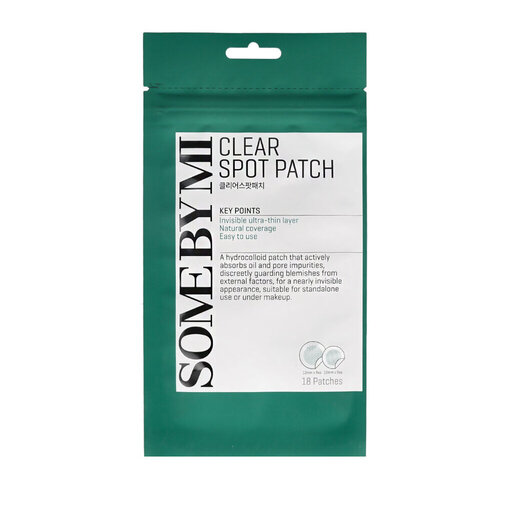
Why This Fits Their Persona: Ideal for users who want to try the effectiveness of hydrocolloid patches without a big investment. This product focuses on the core function, offering a reliable, straightforward solution for occasional blemishes.
It avoids the "ingredient cocktail" pitfall by relying on a pure hydrocolloid formula. The matte finish and tapered edges also address the visibility issue.
Provides a sterile barrier and includes two practical sizes (10mm and 12mm) in one pack to cover different pimple sizes.
We've compiled a complete, up-to-date list of products that fully meet these strict selection criteria and all applicable safety regulations.
A hydrocolloid patch should ideally remain on the skin for 6 to 8 hours, or overnight. A clear sign that it's time to change the patch is when it has turned distinctly white from absorbing fluid. Each patch is for single use only and should not be reused for hygienic reasons.
Their effectiveness on deep, closed blemishes (so-called blind pimples or nodules) is limited. Standard hydrocolloid patches work best on pimples that have already formed a "head" and are filled with fluid, as their main function is to absorb this fluid. They are less suitable for deeper lesions.
Although some ultra-thin, matte patches are designed to be less noticeable under makeup, it is generally not the recommended application. Applying foundation or powder over the patch can compromise its adhesion and accentuate the edges. The patch itself already serves as a protective and concealing cover. For the best result, it should always be applied to clean, dry skin.