
Lieferung heute & morgen

Qualitätsgarantie

Willkommens-Angebote freischalten: KOSTENLOSE Lieferung | Bis zu 80 % RABATT | Kostenlose 30-Tage-JoyPlus-Testphase
App herunterladen
An unexpected pimple can derail your plans. Many people reach for a pimple patch, hoping to treat the blemish quickly and discreetly. However, the market is saturated with products making different promises, which makes choosing difficult. Not every pimple patch is suitable for every situation or skin type.
This guide will help you avoid the most common purchasing pitfalls and identify the key features that truly matter. This way, you can make an informed decision instead of being swayed by marketing hype.
Before you decide on a product, you should be aware of two common issues that often lead to unsatisfactory results:
To avoid these problems, focus on the following fundamental parameters. These largely determine the functionality and comfort of a patch.
The core component of most effective pimple patches is the material. A hydrocolloid patch is the standard here. Originally used in medical wound care, this material consists of gel-forming particles. Upon contact with wound fluid (exudate), it swells and creates a moist environment.
Your Advantages:
A pure hydrocolloid patch is often the safest choice for an acne spot treatment, especially for open or sensitive pimples.
The physical design of a patch is crucial for its performance. Pay attention to the following features:
These design features are key to treating a pimple effectively without disrupting your daily life.
Based on these criteria, we have identified several products suitable for different needs and user profiles.
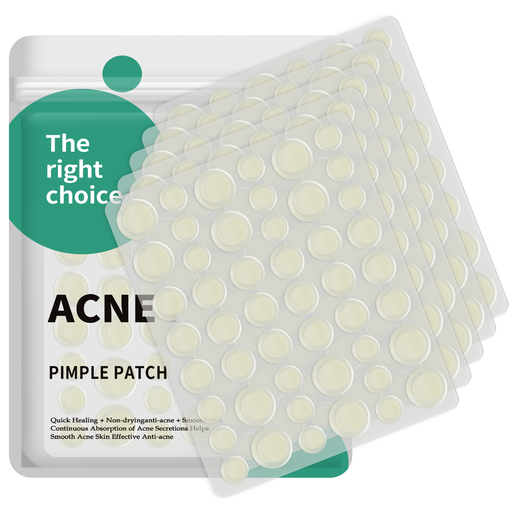
Why This Fits Their Persona: Ideal for users who want to try pimple patches without a big investment. This bulk pack provides a large supply for repeated use on occasional blemishes.
This product focuses on pure hydrocolloid function, avoiding the "ingredient overkill" pitfall, which makes it a safe option for beginners and sensitive skin.
Excellent price-to-quantity ratio. The pack contains a high number of patches, often in various sizes, allowing for flexible application.
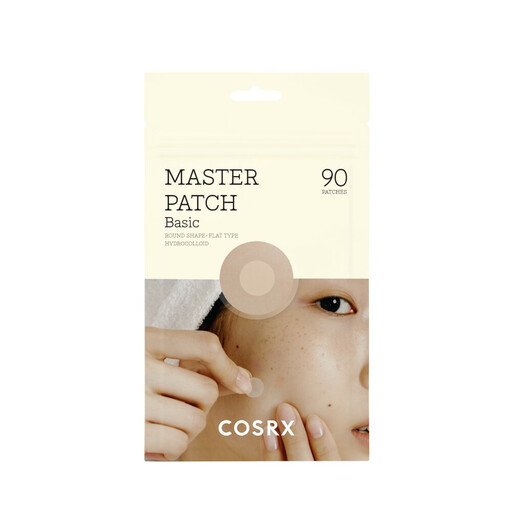
Why This Fits Their Persona: For users familiar with Korean skincare who rely on the proven performance of an established brand. The patch is an internationally recognized standard.
patches are known for their excellent adhesion and ultra-thin design with tapered edges. They reliably solve the problem of poor adhesion and visibility.
Reliable performance from a well-known K-beauty brand. The nearly invisible, matte finish makes it ideal for daytime use, even under light makeup.
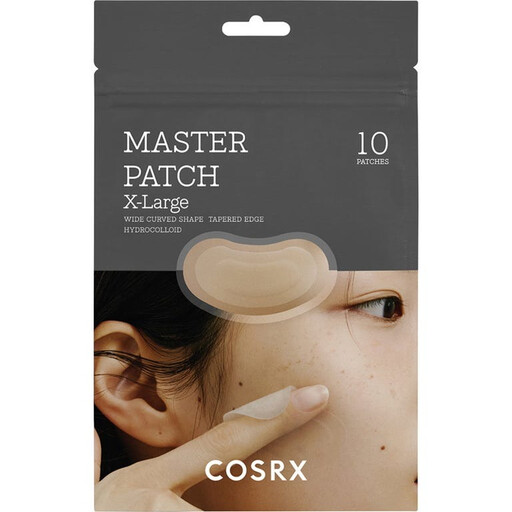
Why This Fits Their Persona: Perfect for individuals dealing not just with single pimples, but with larger clusters of blemishes on the chin, forehead, or cheeks.
This product solves the problem of standard patches being too small. Instead of using multiple small dots, a single large patch covers the entire area efficiently.
The extra-large format (30 x 60 mm) is specifically designed to cover entire skin areas. According to the manufacturer, it also contains niacinamide to support the skin.
We've curated an up-to-date selection of products that meet these criteria.
A pimple patch should ideally remain on the skin for 6 to 8 hours, or overnight. A clear sign that it's time to change it is when the patch has turned white from the absorbed fluid. It's important to always apply the patch to completely cleansed and dry skin, as creams or serums can impair its adhesion.
Yes, this is possible with most thin, matte patches. They create a smooth surface and protect the wound from makeup particles. Apply the patch to clean skin first. Then, you can gently apply foundation around the patch and, if necessary, lightly over it.
The effectiveness of hydrocolloid patches is limited on deep, closed pimples (without a visible head), as their main function is to absorb fluid. However, they can offer some benefit by protecting the area from touch and external irritants, thus preventing the inflammation from worsening. For such cases, there are special patches with microstructures (microneedles) designed to deliver active ingredients deeper into the skin.