
Lieferung heute & morgen

Qualitätsgarantie

Willkommens-Angebote freischalten: KOSTENLOSE Lieferung | Bis zu 80 % RABATT | Kostenlose 30-Tage-JoyPlus-Testphase
App herunterladen
A single spot can be a nuisance in everyday life – especially when it's visible or you unconsciously pick at it. Pimple patches offer a straightforward way to cover individual blemishes and protect the affected area from touching and external irritants. Depending on the type, you might choose hydrocolloid patches, transparent pimple patches or decorative pimple stickers.
However, before buying, it's worth taking a close look at the material, size and pack contents. Terms like "intensive", "invisible" or "fast" don't automatically describe a product that's suitable for your skin.
Many anti-pimple patches are thin or semi-transparent. On dry skin, they can appear discreet. However, once a hydrocolloid patch absorbs fluid, it can turn whitish or opaque. This is a normal material property and not evidence of a particular effectiveness.
For daytime use, matte, flat edges and the right size are important. Patches should only be worn under make-up if the packaging states it's suitable and adhesion to clean, dry skin is guaranteed.
Some facial acne patches contain additional ingredients such as salicylic acid or tea tree oil. These ingredients aren't equally suitable for all sensitive skin types. If you're prone to redness or irritation, you should check the full INCI list and first test on a small area.
A pure hydrocolloid patch, on the other hand, works mainly as a physical barrier. It doesn't automatically contain a pharmaceutical active ingredient and therefore shouldn't be equated with medical acne treatment.
A high quantity can make sense for regular use. However, what really matters is the price per patch and the distribution of sizes. A pack with lots of small patches isn't much help if you regularly need to cover larger areas. Conversely, small individual packs can be more practical for occasional use and avoid unnecessary leftovers.
Hydrocolloid patches usually consist of a gel-forming adhesive layer. When in contact with fluid, the material can change and develop visible cloudiness. The patch also forms a barrier between the skin and external influences.
Look out for:
For products with salicylic acid or tea tree oil, individual skin tolerance should be carefully considered. A claim like "suitable for all skin types" doesn't replace checking the ingredients and safety information.
Common pimple patches are typically around 9 to 12 mm. Small diameters are suitable for individual, clearly defined spots. For larger areas, XL formats or combinations of several sizes can be more practical.
Make sure the patch fully covers the affected area without unnecessarily sticking to healthy skin. Star-shaped pimple stickers can also serve a decorative purpose, while round or matte versions tend to be more discreet.
The skin should be cleansed and completely dried before applying the patch. Cream, oil, serum or toner underneath the patch can reduce adhesion. Depending on the product, the patch stays on the skin for several hours or overnight. If it becomes visibly cloudy or after the time stated on the packaging, it should be carefully removed and replaced if needed.
Do not apply to open wounds, severely irritated skin or deep, non-surface-level inflammation. If you experience burning, increasing redness or a rash, stop using the product.
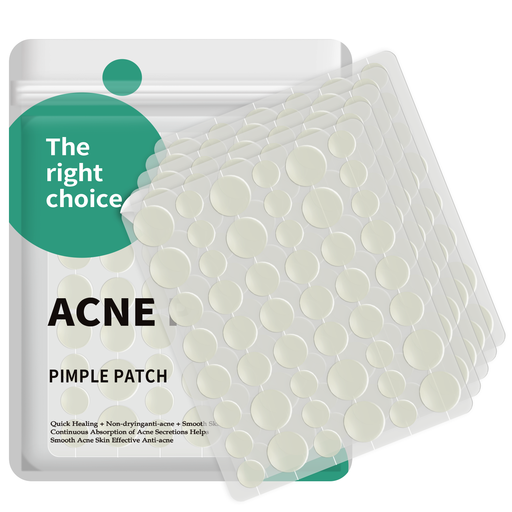
Why this product fits the profile: The pack contains 48 patches across five sheets and is ideal for shoppers who want to try a manageable quantity first.
The stated patch count makes it easy to calculate the price per piece and prevents choosing based solely on the number of sheets.
48 pieces across five sheets; simple pack size for occasional or first-time use.
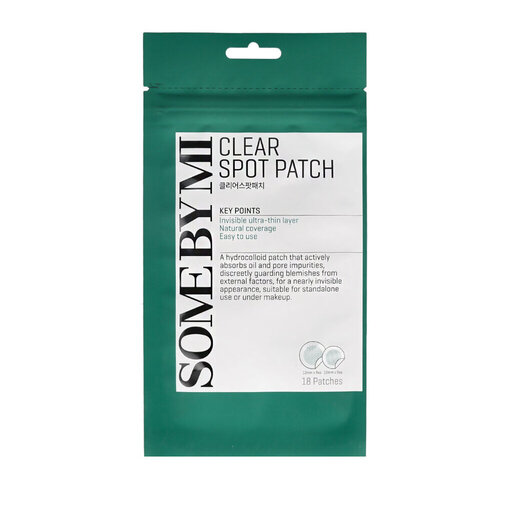
Why this product fits the profile: According to the product description, the pack contains 10 mm and 12 mm patches with a matte, semi-transparent finish for discreet application.
The two sizes and matte edges help you choose based on actual coverage needs rather than marketing claims.
18 pieces; nine patches at 10 mm and nine at 12 mm; hydrocolloid sheet according to the product information.
We've put together a full, regularly updated list of products that fully meet these strict selection criteria and the safety regulations in force in the EU.
If you have sensitive skin, it's advisable to test on a small area first. If persistent redness, severe burning or a rash occurs, stop using the product and seek dermatological advice if necessary.
This depends on the individual product. Many hydrocolloid patches are worn for several hours or overnight. If the patch turns whitish or opaque, it has absorbed fluid and should be changed according to the manufacturer's instructions. A longer wear time isn't automatically better.
Hydrocolloid patches are mainly designed for surface-level, clearly defined blemishes. For deep, unopened nodules, the absorption capacity can be limited. Such patches don't replace dermatological advice and shouldn't be applied to severely inflamed or damaged skin.
For occasional use, 18 to 48 pieces can be sufficient. If you regularly cover individual spots, you might consider a 90-piece pack or a combination set with several shapes and sizes. Always compare quantity, patch sizes and price per piece – not just the number of sheets.