
Lieferung heute & morgen

Qualitätsgarantie

Willkommens-Angebote freischalten: KOSTENLOSE Lieferung | Bis zu 80 % RABATT | Kostenlose 30-Tage-JoyPlus-Testphase
App herunterladen
Occasional blemishes can be a nuisance in daily life, especially when they’re visible or tempt you to touch and squeeze them. Pimple patches (also known as acne patches) offer a straightforward way to target and cover affected areas. However, they are not a substitute for dermatological treatment and are not suitable for every type of skin concern.
Before you buy, it’s worth taking a closer look at the material, size, ingredients and pack quantity. Not every product marketed as an anti-blemish patch, spot sticker or pimple patch will automatically suit your individual needs.
Phrases like “accelerated healing”, “fights bacteria” or “treats acne” should be assessed differently depending on the product description. A classic hydrocolloid patch primarily provides a physical barrier and can absorb fluid. Products containing salicylic acid or tea tree oil include additional ingredients that may not be well tolerated by everyone, particularly those with sensitive skin.
What really matters is the full INCI list on the packaging. Cosmetic patches should not be seen as a replacement for a medical diagnosis or treatment.
“Transparent” does not necessarily mean a patch will be completely unnoticeable under every type of lighting or beneath make-up. Shiny surfaces can be more visible during the day, whereas matte, thin edges tend to look more discreet. The fit also affects visibility: a patch that is too large may cover more area but is more likely to peel at the edges.
A pack containing lots of blemish patches isn’t automatically better value. Compare the price per patch and check whether multiple sizes are included. For occasional, individual blemishes, a small pack may be sufficient. For regular use, larger formats or multi-packs are more practical.
Hydrocolloid patches are often made from materials such as cellulose gum, polyisobutene or pectin. They adhere to dry skin and form a protective layer between the affected area and external factors. When they come into contact with fluid, the material may turn whitish or opaque, depending on its composition.
Other pimple patches combine hydrocolloid with ingredients like salicylic acid, niacinamide, centella asiatica extract or tea tree oil. If you have sensitive skin, check the INCI list carefully and perform a patch test on a small area of skin before using a new product.
For individual small blemishes, diameters of around 9 to 12 millimetres are common. Having different sizes can be useful if the affected areas vary in size. For larger areas, formats like the Master Patch X-Large (30 × 60 millimetres) are available. Such variants aren’t necessary for every single spot and can cover too much skin unnecessarily on small blemishes.
Star-shaped spot stickers are aimed more at people who prioritise appearance over a discreet look. For the office, school or under make-up, matte or semi-transparent versions are usually more suitable.
Your skin should be cleaned, completely dry and free from moisturiser, oil or serum before applying the patch. Otherwise, adhesion may be compromised. Depending on the product, patches are worn for several hours or overnight. Many manufacturers recommend changing them after around 6 to 12 hours, or as soon as the patch visibly changes.
Do not apply to open wounds, severely irritated skin or inflammatory skin changes without a visible surface. If you experience redness, itching or a burning sensation, stop using the product.
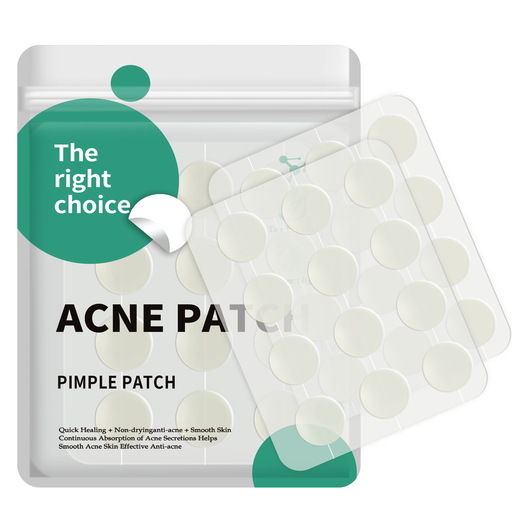
Why this product suits the profile: The small pack is ideal for anyone wanting to try pimple patches for the first time or only needs to cover the occasional blemish.
The modest pack size limits the risk of buying a large quantity before you know whether the material and adhesion suit your skin.
12 patches across two sheets; a small, accessible introduction to targeted spot treatment.
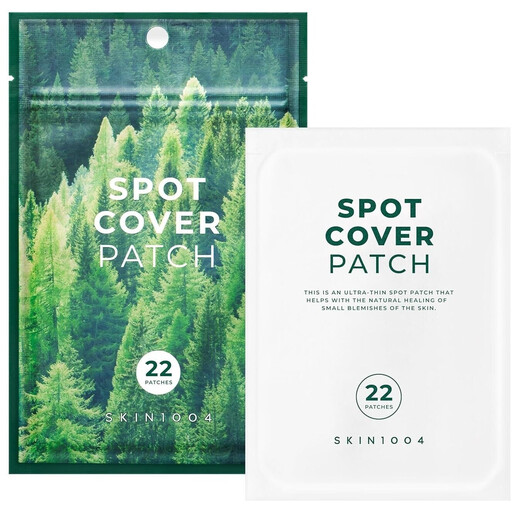
Why this product suits the profile: The semi-transparent, ultra-thin design appeals to users who value discreet wear both day and night.
The two available sizes (10 × 12 millimetres and 12 × 10 millimetres) help you tailor the coverage to different-sized spots.
22 waterproof hydrocolloid patches with a semi-transparent finish; suitable for various skin types according to the manufacturer.
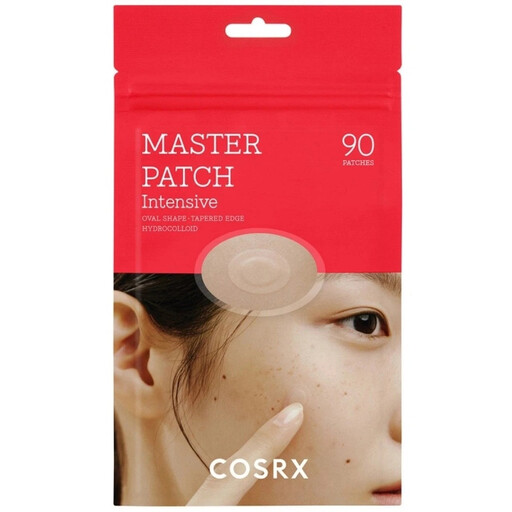
Why this product suits the profile: The large format is designed for people who regularly cover individual spots and prefer to have a bigger supply on hand.
The high pack quantity reduces the need for frequent reordering. However, you should still check the expiry date, batch number and current ingredient list on the packaging.
90 patches; formulated with salicylic acid and tea tree leaf oil according to the manufacturer, and designed for both day and night use.
If you want to treat spots overnight, start by gently cleansing your skin and then letting it dry completely. Apply the patch directly to the affected area without any skincare products underneath. Press it down lightly for a few seconds to improve contact with the skin.
Under make-up, particularly thin, matte or transparent pimple patches work best. Do not apply liquid or cream products over the patch unless the manufacturer explicitly states it is safe to do so. After the recommended wear time, carefully remove the patch from one edge and dispose of it. Single-use products should not be reused.
For deep, painful or recurring skin concerns, a hydrocolloid patch may have limited effectiveness. If symptoms persist or you notice significant irritation, it’s worth seeking advice from a dermatologist.
We’ve put together a full, regularly updated list of products that meet these strict selection criteria and comply with EU safety regulations.
It depends on the specific product. Most recommend 6 to 12 hours. As soon as the patch visibly changes colour, starts to peel off or reaches the recommended wear time, it should be replaced. Always follow the instructions on the product packaging.
There’s no one-size-fits-all answer. Pure hydrocolloid patches often contain fewer active ingredients than versions with salicylic acid or essential oils. If you have sensitive skin, check the INCI list and usage instructions. Stop using the product if you experience burning, itching or redness.
The ongoing cost depends on the pack size, price per patch and how often you use them. Compare the price per patch and note the sizes included. A large pack can be practical for regular use, while smaller packs require less storage space for occasional application.