
Lieferung heute & morgen

Qualitätsgarantie

Willkommens-Angebote freischalten: KOSTENLOSE Lieferung | Bis zu 80 % RABATT | Kostenlose 30-Tage-JoyPlus-Testphase
App herunterladen
A single spot can tempt you to keep touching it or squeeze it. Pimple patches offer a simple way to cover the affected area and target the application of a spot treatment. However, pimple patches vary considerably in their materials, ingredients, size, wear time and pack size.
Focusing only on terms such as ‘intensive’, ‘invisible’ or ‘overnight’ can mean missing important details. The points below can help you distinguish marketing claims from product features you can check for yourself.
Transparent pimple patches may be less noticeable in daylight. However, the edges can still lift on dry, tight or oily skin. Patch size matters too: a patch that’s too small won’t cover the spot completely, while an oversized patch may be more visible on your face.
Thin, transparent patches are often more practical during the day. At night, the main thing is to choose a patch that fully covers the affected area and stays in place for several hours.
Salicylic acid, tea tree oil, niacinamide and other ingredients are often highlighted in anti-spot patches. But simply listing an ingredient tells you nothing about its concentration, how well you’ll tolerate it or how it may work for your particular skin.
According to the relevant manufacturer’s product information, buyers should check the current INCI list on the packaging. If you have sensitive skin, a simple hydrocolloid patch without added active ingredients may be the more straightforward choice. This reduces the number of potential irritants, but doesn’t replace individual advice from a dermatologist.
A large pack isn’t automatically better value. What matters is the number of patches, their sizes and whether the shape suits how you plan to use them. Some sets include several small sizes, while others offer just one standard shape. A small pack may be enough for the occasional spot; a larger set could make sense if you use patches regularly.
Hydrocolloid patches are made from a gel-forming material that can absorb fluid. Some products become visibly lighter or whiter when they come into contact with moisture. This can be a useful sign that it’s time to change the patch, but it isn’t reliable proof of a particular effect on your skin.
Acne patches containing active ingredients may also include salicylic acid, tea tree oil or niacinamide. If you already use other products containing acids or intensive skincare ingredients, take extra care when combining them. For sensitive skin, simple formulas and a patch test on a small area are recommended.
A patch will usually stick better to clean, completely dry, oil-free skin. Creams, sun cream or make-up beneath the adhesive area can affect how well it stays in place. Don’t apply patches to open wounds, severely irritated skin or serious inflammatory skin changes.
Remove the patch if you experience burning, redness or itching. Always follow the manufacturer’s instructions on wear time and storage. ‘Treating spots overnight’ simply describes the intended use over several hours; it isn’t a promise of a particular result.
Round patches are suitable for individual small spots. A larger size may be useful if you want to cover several areas close together. For example, offers different diameters in its Master Patch Intensive; according to the product information, the pack contains 9 mm and 11 mm patches.
When choosing, also check:
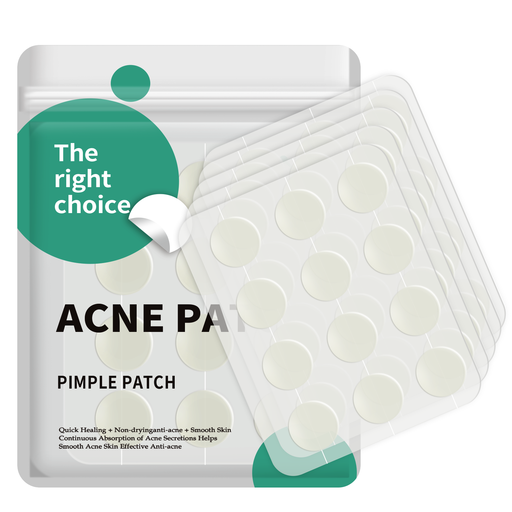
Why this product suits this need: This set is for anyone who wants to try pimple patches on a smaller scale. It contains five sheets, each with 12 patches.
The exact number of sheets and patches is stated, making it easier to work out what you need than when the quantity is unclear.
A manageable pack size and an easy choice for occasional use.
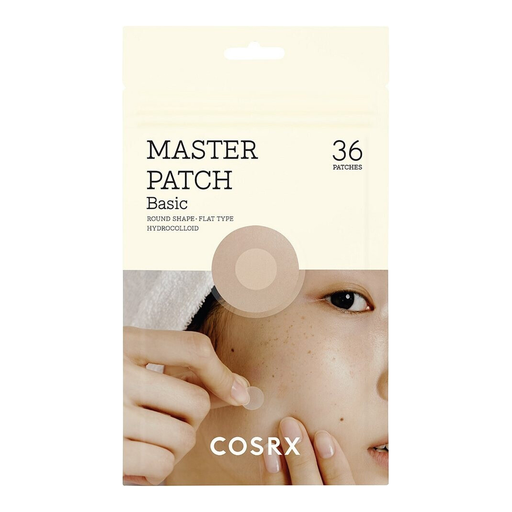
Why this product suits this need: According to the product information, these are hydrocolloid patches and the pack contains 36. They’re a good option for anyone who prefers a clear, pared-back ingredients list.
According to the stated INCI list, the Basic version doesn’t contain salicylic acid or tea tree oil. This makes it easier to choose if you have sensitive skin.
Hydrocolloid material and 36 individual patches for targeted use.
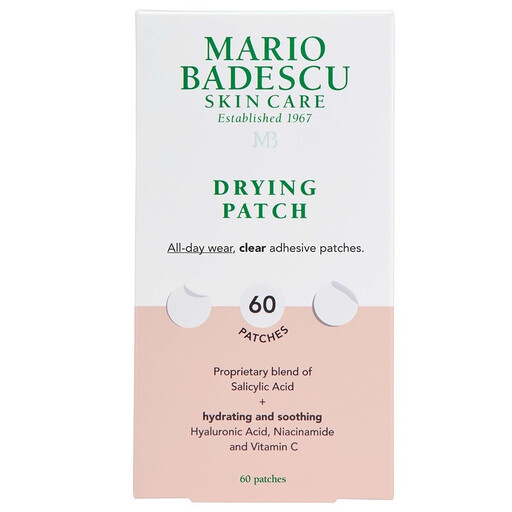
Why this product suits this need: According to the product description, this set contains 60 transparent patches and is designed for use during the day or at night.
The pack size is clearly stated. The product also provides application instructions and ingredient information, and advises against use on open skin.
60 patches and a stated combination of salicylic acid, niacinamide and other ingredients.
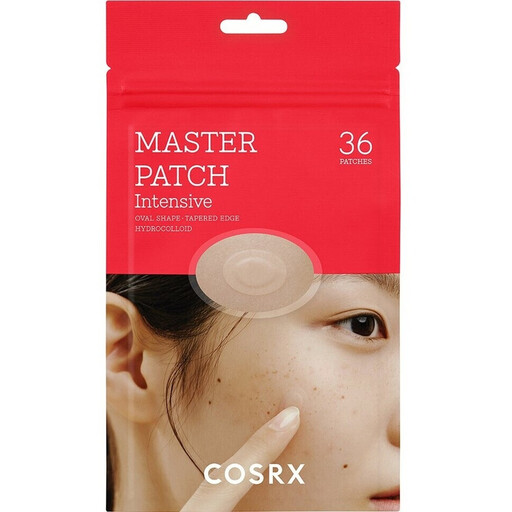
Why this product suits this need: For anyone who needs patches in different sizes, the product description lists 13 patches measuring 9 mm and 16 measuring 11 mm.
The stated diameters mean you don’t have to choose based only on vague descriptions such as ‘small’ or ‘large’.
Two stated sizes, plus salicylic acid and tea tree oil according to the product information.
We’ve put together a complete, regularly updated list of products that meet these strict selection criteria and fully comply with the safety regulations in force in the EU.
If you have recurring, painful or widespread acne, it’s worth seeking advice from a dermatologist. Pimple patches are designed for targeted use on individual spots and aren’t a comprehensive acne treatment.
Wear time depends on the product. Many hydrocolloid patches are worn for several hours or overnight. Change the patch if it becomes visibly cloudy, starts to lift or reaches the end of the wear time stated by the manufacturer. Always follow the instructions on the relevant packaging.
There’s no one-size-fits-all answer. A simple patch without added active ingredients may be a more straightforward option for some people. Ingredients such as salicylic acid or tea tree oil may affect sensitive skin differently from person to person. Before applying a patch over a larger area, it’s a good idea to test it carefully on a small patch of unbroken skin.
According to the product information, some transparent pimple patches are designed for daytime use. However, don’t apply make-up underneath the patch, as this can affect how well it sticks. How noticeable a patch is will also depend on its size, edges and the texture of your skin.