
Lieferung heute & morgen

Qualitätsgarantie

Willkommens-Angebote freischalten: KOSTENLOSE Lieferung | Bis zu 80 % RABATT | Kostenlose 30-Tage-JoyPlus-Testphase
App herunterladen
A single spot can be a nuisance in everyday life, especially if you keep touching it or it shows through your make-up. Pimple patches, also known as acne patches, provide a practical covering and can absorb fluid from suitable blemishes. However, they are not a substitute for dermatological treatment and are not suitable for every skin concern.
It’s worth checking the material, size and instructions for use carefully before you buy. Packaging often promises fast results, extra-thin edges or “intensive” care. Claims like these can be difficult to assess without a consistent basis for comparison. What matters most are product features you can verify.
A pack containing several hundred anti-spot patches may seem like an attractive deal at first glance. However, products in the same range can vary in size, shape, adhesive area and material. If the patches are very small, you may need more than one to cover a larger blemish. Compare the price per patch and check that the pack includes suitable sizes.
Transparent acne patches can be less noticeable during the day than thicker versions. But visibility also depends on the edge, the skin’s surface and how well the patch sticks. A patch with a wide edge may show up more around the contours of your face. If you want to wear one under make-up, check that the manufacturer specifically describes it as matte or extra thin.
Some hydrocolloid patches for spots also contain salicylic acid, tea tree oil or other cosmetic ingredients. These formulations may appeal to some users, but they also increase the number of ingredients that could cause a reaction. If you have sensitive skin, a simple hydrocolloid patch with no added active ingredients may be easier to assess. Always check the latest INCI list on the packaging.
Hydrocolloid is a gel-forming layer that can change appearance when it comes into contact with fluid. With many products, the patch becomes lighter or whitish after absorbing fluid or moisture. This is a visible sign of the material’s reaction, but it doesn’t prove that the patch has a medical effect.
A traditional hydrocolloid patch also forms a physical barrier. This makes the covered area less likely to be touched and protects it from friction and external contaminants. Its absorbency may be limited for deep, unopened blemishes. Don’t apply a patch to or squeeze these areas yourself if your skin is severely inflamed.
Pimple patches are commonly around 9 to 12 millimetres in diameter. Smaller sizes are suitable for individual, clearly defined spots. For several nearby blemishes or a larger area, a specialist format such as an XL patch may be more practical. The patch should cover the affected area completely without covering unnecessary amounts of healthy skin.
A mixed pack with several diameters helps reduce waste. Star-shaped pimple stickers may be designed for a more eye-catching, decorative look, while round, matte or skin-toned versions may be better suited to the office, school or wearing with make-up.
Before applying a patch, your skin must be clean, dry and free from cream, serum or oil. Otherwise, it may not stick as well. Choose a patch that makes full contact with the dry skin all the way around, then press it down briefly.
Many products are designed to be worn for several hours or overnight. Replace a patch if it visibly changes, starts to come away or reaches the wear time specified by the manufacturer. Single-use patches must not be reused.
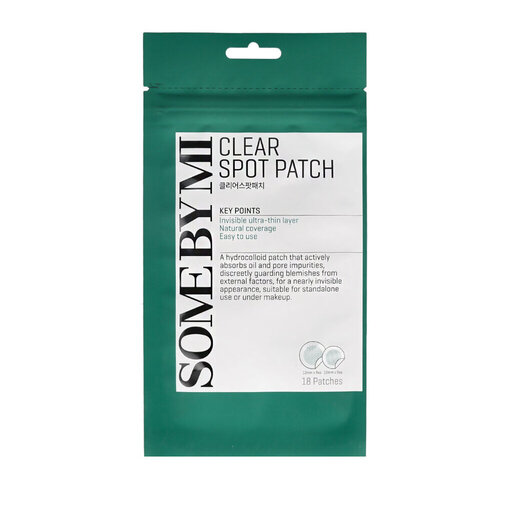
Why this product suits this profile: This Korean pimple patch comes in two sizes, 10 and 12 millimetres, and is described as semi-transparent with a matte finish.
Having two sizes means you don’t need to use an oversized patch for every blemish. The product is specifically intended for use on dry skin.
18 patches, two diameters, matte edges and a hydrocolloid construction, according to the product details.
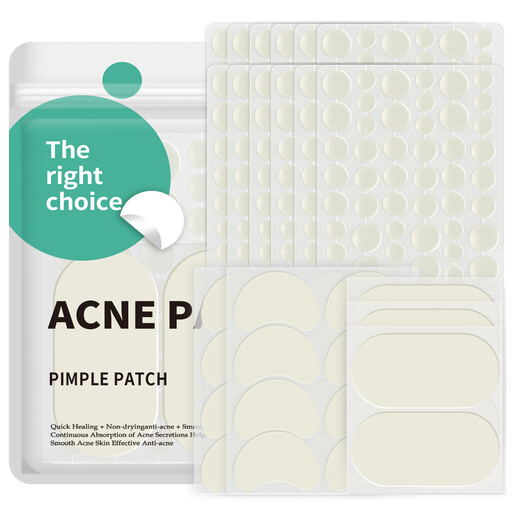
Why this product suits this profile: Its high stated patch count is aimed at people who use facial patches for blemishes regularly or on several areas.
The large pack may bring down the cost per patch, as long as the shapes and sizes included suit your needs. Check these details on the product page before buying.
598 patches listed and a combination format for frequent use.
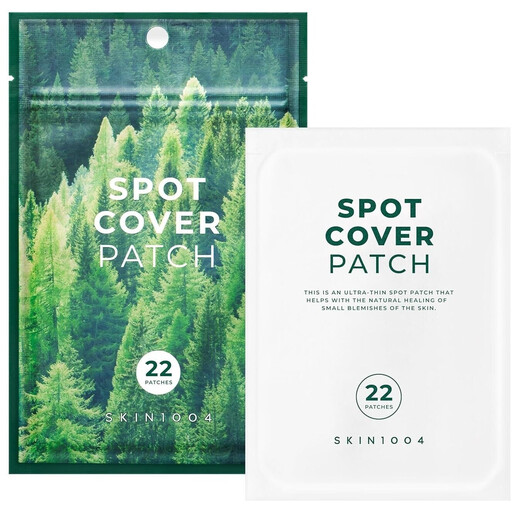
Why this product suits this profile: According to the product description, this semi-transparent, waterproof version is designed for day and night use and for different skin types.
The product details specify the material, sizes and replacement interval. If you have sensitive skin, it’s still sensible to test it on a small area first.
We’ve put together a complete, regularly updated list of products that meet these strict selection criteria and fully comply with the safety regulations in force in the EU.
Don’t apply patches to open wounds, severely irritated skin, larger inflamed areas or near your eyes. If you have recurring or severe acne, painful lumps or persistent skin changes, seek medical advice. A cosmetic product description is not proof of medical efficacy.
It depends on the product. Many are intended to be worn for several hours or overnight. Remove and replace the patch if the hydrocolloid visibly changes, the patch comes loose or it reaches its maximum wear time. Always follow the manufacturer’s instructions on the packaging.
Thin, matte or semi-transparent versions may be designed for this. Clean and dry your skin completely first, then apply the patch before your make-up. Whether the edges show or make-up stays on top depends on the patch’s shape, your skin’s texture and the cosmetics you use.
Hydrocolloid patches are best suited to individual surface blemishes where they can absorb fluid. They may have limited benefit for deep, closed or severely inflamed spots. Don’t squeeze them or apply patches to broken skin.