
Lieferung heute & morgen

Qualitätsgarantie

Willkommens-Angebote freischalten: KOSTENLOSE Lieferung | Bis zu 80 % RABATT | Kostenlose 30-Tage-JoyPlus-Testphase
App herunterladen
Targeting individual blemishes can be practical in everyday life: pimple patches protect the affected area from touching, friction and make-up particles. Depending on the material, they can also absorb fluid and excess sebum. However, not every pimple sticker is suitable for every skin concern.
As a Joybuy Product Recommendation Officer, I filter the relevant product information and show you which features really matter when buying acne patches, hydrocolloid patches and Korean skincare for blemishes. It is worth separating advertising claims from verifiable details.
Transparent pimple patches or matt anti-blemish patches may be less noticeable during the day. However, it is not just the colour and surface that matter, but also the edge design, material thickness and adhesion. A patch with an overly thick edge may show through under make-up. A product that adheres too strongly can be uncomfortable to remove, particularly on sensitive skin.
Some Pimple Patches contain salicylic acid or tea tree oil. However, simply listing these ingredients does not guarantee a particular effect. For sensitive skin, additional ingredients may even be an important selection criterion. If you are prone to irritation, check the complete INCI list on the packaging and initially apply the patch to just a small area.
A pimple sticker that is too small will not fully cover the affected area. An oversized patch may come loose more easily at the edges. Products with several diameters or special formats are therefore more practical when blemishes vary in size. For larger areas, formats such as 30 × 60 mm are also available.
Hydrocolloid is a material that can absorb fluid and often becomes milky or whitish as it does so. A visible change in the patch is a practical indication that moisture has been absorbed. These products are primarily designed for individual, superficial blemishes, not every type of skin concern.
An active-ingredient patch also contains substances such as salicylic acid or tea tree oil. This combination may be appealing to some users, but it makes skin compatibility even more important. Pimple patches should not be applied to severely irritated, open or injured skin.
Look out for:
“Treating spots overnight” in this context does not mean that a patch replaces medical treatment. It refers to limited use while you sleep. Before applying the patch, your skin must be clean, dry and free from cream, oil or serum.
If you have sensitive skin, read the ingredients list and warnings carefully. Statements such as “for all skin types” are general manufacturer information and do not guarantee individual compatibility. If redness, itching, stinging or swelling occurs, stop using the product.
Cosmetic pimple patches are not intended for deep, severely inflamed or open areas of skin. If you experience recurring or pronounced skin concerns, it is advisable to seek advice from a dermatologist.
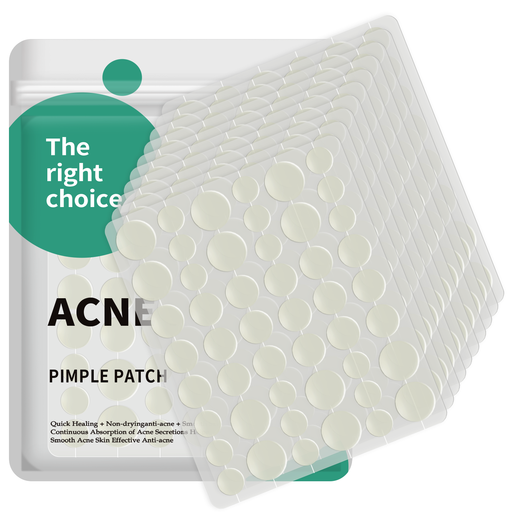
Why this product suits the profile: The pack contains 48 patches across 10 sheets, making it suitable for users who want to try pimple stickers in everyday life or regularly cover individual blemishes.
The larger quantity reduces the risk of having to reorder soon after purchase. Check the material, sizes and exact instructions for use on the product packaging before buying.
48 patches and ten sheets; manufacturer information is provided on the product.
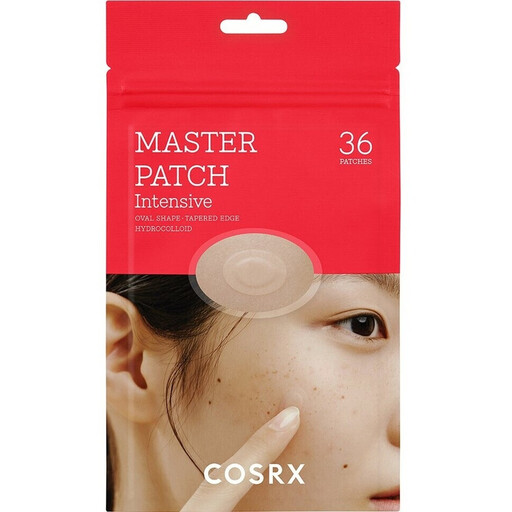
Why this product suits the profile: This Master Patch combines hydrocolloid material with salicylic acid and tea tree oil, and offers two stated sizes: 9 mm and 11 mm.
The two sizes help provide a closer fit. The additional ingredients make it particularly important to check the current INCI list and carry out a skin compatibility test.
36 patches; two patch diameters; designed for use during the day or overnight.
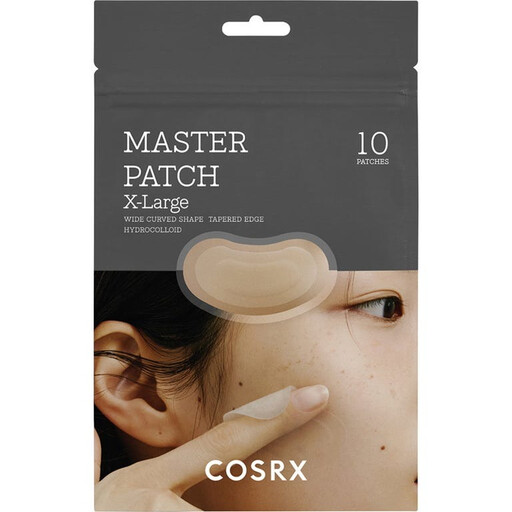
Why this product suits the profile: This large-format patch is designed for users who want to cover not just a single small spot, but a larger connected area.
The clearly stated 30 × 60 mm size helps prevent buying standard patches that are too small. However, this format may be oversized for individual small areas.
Large format 30 × 60 mm; ten patches; with niacinamide according to the product description.
We have put together a complete, regularly updated list of products that fully meet these strict selection criteria and the safety regulations applicable in the EU.
A pimple patch should not be reused. You should also avoid applying it to open wounds, severely irritated skin or deep, painful skin concerns.
The wear time depends on the product. Many manufacturers recommend several hours or overnight use. The information on the packaging is the deciding factor. Remove the patch as soon as it becomes noticeably discoloured, starts to come loose or causes a skin reaction.
This depends on the patch’s thickness, surface and adhesion. Thin, matt or semi-transparent versions may be less noticeable during the day. However, do not apply make-up underneath the patch, as oil and moisture can affect its adhesion.
Hydrocolloid patches are primarily designed for superficial blemishes containing fluid. Their suitability may be limited for deep, closed or severely inflamed skin concerns. If symptoms persist or recur, you should seek advice from a dermatologist.