
Lieferung heute & morgen

Qualitätsgarantie

Willkommens-Angebote freischalten: KOSTENLOSE Lieferung | Bis zu 80 % RABATT | Kostenlose 30-Tage-JoyPlus-Testphase
App herunterladen
Pimple patches can cover individual blemishes and protect the affected area from friction, dirt and unconscious touching. For many users, they are therefore a practical addition to their daily skincare routine. However, acne patches, anti-blemish patches and hydrocolloid patches can differ considerably in terms of material, size, adhesion and ingredients.
If you want to cover blemishes with patches, you should not be guided solely by claims such as ‘visibly reduced overnight’ or ‘suitable for all skin types’. Such statements often come from product descriptions and are no substitute for an individual assessment of your skin. Reliable product data and suitable application are what really matter.
Some Pimple Patches contain salicylic acid, tea tree oil, niacinamide or plant extracts. These ingredients may form part of the cosmetic formulation, but they do not justify general claims about a medical effect. Particularly if you have sensitive skin, additional ingredients may have greater irritation potential than a simple hydrocolloid plaster.
Transparent pimple patches may be visible depending on your skin type, the lighting and the surface texture. Matte, thin versions are often less noticeable than glossy alternatives. When worn under make-up, the plaster should adhere fully to clean, dry skin. Creams, sun protection or oil-based serums on the area where the patch is applied can affect adhesion.
A low price per piece only makes sense if the size, shape and wearing time suit your needs. If you only cover individual blemishes occasionally, you may not need a bulk pack. For regular use, on the other hand, several formats or different diameters can be practical.
Hydrocolloid is an absorbent material that often becomes milky or whitish when it comes into contact with liquid. This may indicate that moisture has been absorbed. A hydrocolloid patch also provides a physical covering. For dry, closed bumps, its absorbent function may be less relevant.
Products containing additional active ingredients should be checked against the current INCI list. If you know that your skin is sensitive to salicylic acid, tea tree oil, fragrances or plant extracts, a patch without these additions is an obvious alternative. The ingredients list on the packaging takes priority, as formulations can change.
Diameters of around 9 to 12 mm are common for individual small areas. Larger formats can cover several nearby areas. For example, the Master Patch X-Large is available in a size of 30 × 60 mm, making it suitable for a specific coverage requirement.
The edges should lie as fully as possible on intact, dry skin. A patch that is too small will not cover the area, while one that is too large may come away more easily around the edges.
The exact wearing time depends on the manufacturer’s instructions. Several products specify approximately 6 to 12 hours. A patch should be replaced if it comes loose or becomes visibly saturated or whitish. Single-use products are not intended to be reused.
Practical application:
Do not apply to open wounds, severely irritated skin, deep cuts or badly inflamed skin changes. If symptoms persist or are pronounced, seeking dermatological advice is sensible.
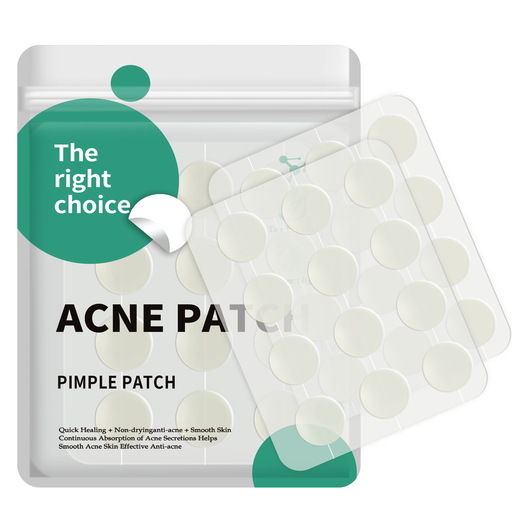
Why this product suits the profile: Two sheets offer a manageable quantity to try, without committing to a bulk pack straight away.
The small pack size reduces the risk of buying a larger quantity before checking the size, adhesion and skin compatibility.
A manageable format with 12 patches per sheet; the product name suggests targeted use on individual areas.
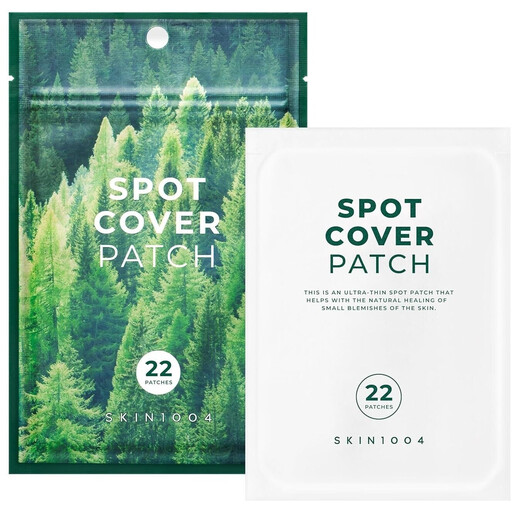
Why this product suits the profile: The stated semi-transparent hydrocolloid structure, two sizes and thin design appeal to users who pay close attention to material and format details.
The product data lists dimensions of 10 × 12 mm and 10 × 10 mm, as well as a recommended changing time. This makes it easier to assess your requirements.
22 patches, two sizes, a semi-transparent design and, according to the product information, waterproof material.
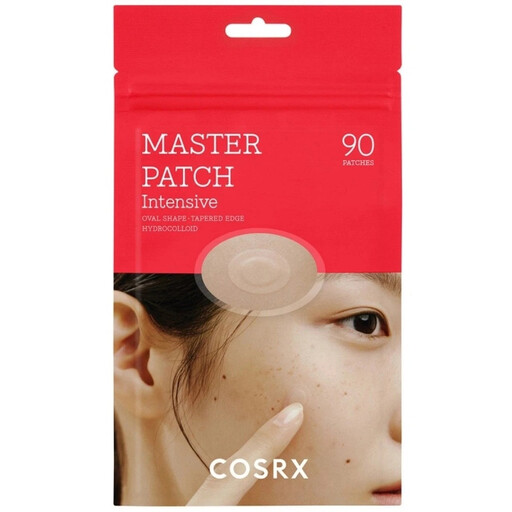
Why this product suits the profile: The pack of 90 pieces is designed for regular use, for example if pimple patches are used repeatedly overnight or during the day.
The material and INCI details are provided. Buyers can compare the salicylic acid and tea tree oil with their own skin requirements before buying.
90 hydrocolloid patches with a thin, translucent design; according to the product information, they are intended for use during the day and at night.
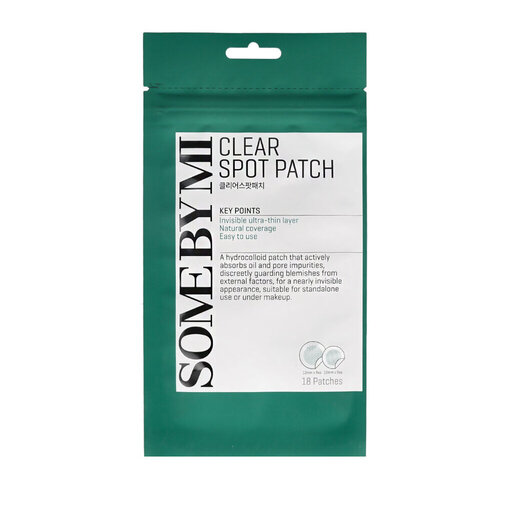
Why this product suits the profile: The semi-transparent, matte design is intended for discreet daytime use and fits seamlessly into a K-Beauty routine.
Two sizes, 10 mm and 12 mm, help you choose based on the actual diameter rather than general marketing claims.
18 hydrocolloid patches, a matte surface and two available diameters according to the product description.
We have put together a complete, regularly updated list of products that fully meet these strict selection criteria and the safety regulations applicable in the EU.
When using pimple patches for blemish-prone skin, preparation is particularly important. The area where the patch is applied should be clean, dry and free from any skincare residue. If you wear a patch under make-up, you should not apply colour cosmetics over the plaster unless the manufacturer specifically permits this.
If you experience burning, itching, swelling or increasing redness, remove the product and stop using it. Pimple patches are intended for individual, localised areas. They are not a substitute for medical assessment in cases of recurring, painful or widespread acne.
Depending on the product, approximately 6 to 12 hours is often specified. The instructions on the packaging are decisive. The patch should be replaced as soon as it comes loose or has visibly absorbed moisture.
Many hydrocolloid patches are intended for overnight use according to the product information. Apply them to dry skin after cleansing and carefully remove them in the morning. If you are using patches with active ingredients, pay particular attention to the individual application instructions.
For deep-seated, closed or severely inflamed skin changes, the absorbent function of a hydrocolloid patch may be limited. The plaster can cover the area and protect it from touching, but it is not intended as a substitute for dermatological treatment.