
Lieferung heute & morgen

Qualitätsgarantie

Willkommens-Angebote freischalten: KOSTENLOSE Lieferung | Bis zu 80 % RABATT | Kostenlose 30-Tage-JoyPlus-Testphase
App herunterladen
A single spot can be a nuisance in everyday life – especially if you keep touching it, it shows through your make-up or it rubs against your bedding overnight. Pimple patches, also known as acne patches, cover the affected area. Depending on the material, they can absorb fluid and help protect the spot from friction and unconscious picking.
There’s a wide choice, from simple hydrocolloid patches to transparent versions with added ingredients. However, not every product is right for every skin type or purpose. The tips below can help you tell the difference between marketing claims and product features you can verify.
Transparent pimple patches can be discreet enough to wear during the day. But how visible they are also depends on their edge thickness, finish, size and how oily your skin is. A glossy patch may stand out more in the light than a matte one. If you want to wear pimple patches under make-up, it’s also important to check whether the manufacturer specifically says they can be used with cosmetics.
Some pimple patches contain ingredients such as salicylic acid, tea tree oil, niacinamide or plant extracts. That doesn’t automatically make them suitable for every skin type. For sensitive skin, extra ingredients may be more likely to cause irritation than a simple hydrocolloid patch. So check the full INCI list on the packaging and distinguish between a patch that simply acts as a physical cover and one with added active ingredients.
A low-cost multipack can be useful if you regularly want to cover individual blemishes. But patch sizes, adhesion, shelf life and how often they need changing also matter. A pack with only one size may use more material than necessary on very small or larger spots.
Hydrocolloid typically has a gel-forming structure that reacts when it comes into contact with moisture. On products for surface blemishes, this can make the patch turn whitish or opaque. This is a visible sign that fluid has been absorbed – it is not proof of a medical effect.
A pure hydrocolloid patch, such as the Master Patch Basic, doesn’t contain the active ingredients listed in some product descriptions. Other anti-spot patches combine hydrocolloid with salicylic acid or tea tree oil. Choose according to your skin’s sensitivity and how you plan to use the patch.
Small, round patches are usually enough for individual spots. Wider versions may be more practical for larger areas. The key is to make sure the patch fully covers the affected area and sticks to dry skin.
For example, the SKIN1004 Madagascar Centella Tea-Trica Pimple Spot Cover Patch is available in 10 × 12 mm and 12 × 10 mm sizes. According to the product details, the Master Patch Intensive 36 Pieces comes with 9 mm and 11 mm patches. For larger areas, there’s the Master Patch X-Large, measuring 30 × 60 mm.
Most products should be applied to clean, completely dry skin. Creams, serums and oily skin can affect how well a patch sticks. Depending on the product instructions, change the patch after several hours or when it becomes visibly discoloured. A pimple sticker is for single use only and shouldn’t be applied again once it has been worn.
Stop using the patch if you experience redness, burning, swelling or itching. Don’t apply it to open, badly damaged or severely irritated skin. If you have recurring or significant skin problems, it’s a good idea to seek advice from a dermatologist.
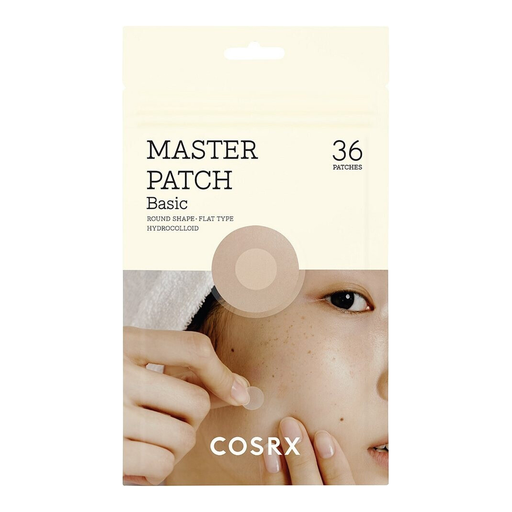
Why this product suits this profile: The pack of 36 patches offers a straightforward introduction to targeted use – during the day or overnight, following the instructions on the packaging.
The product description specifies the hydrocolloid base and avoids a long list of promoted extra ingredients. This makes it easier to choose a product that fits with your skincare routine.
36 patches, hydrocolloid material and designed for individual blemishes.
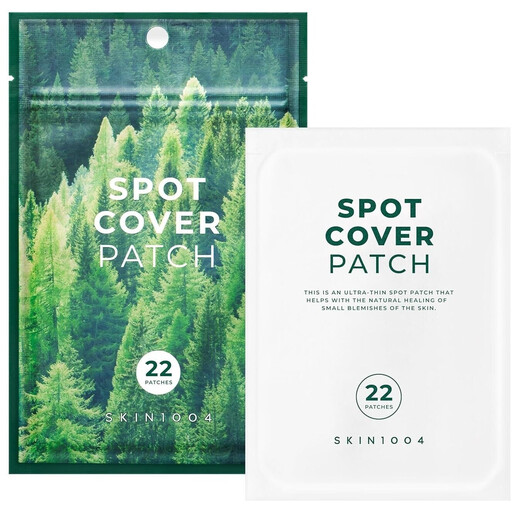
Why this product suits this profile: The product details clearly list the material, sizes, ingredients and replacement interval. This makes it easier to assess before buying and suits a structured K-beauty routine.
The ultra-thin, semi-transparent, waterproof design is described with specific measurements, rather than simply being labelled “invisible”.
22 patches in two sizes, semi-transparent hydrocolloid and, according to the product details, suitable for day and night.
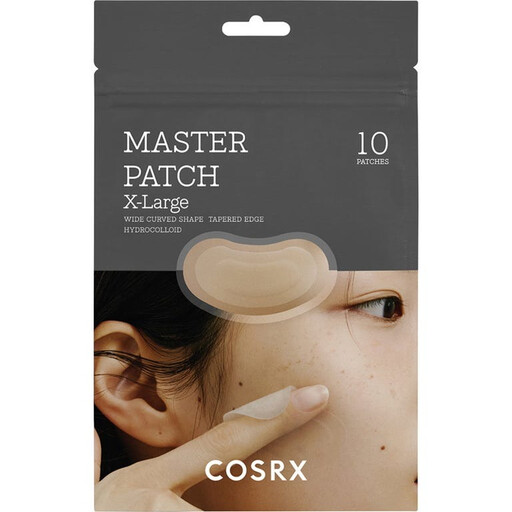
Why this product suits this profile: This format is for anyone looking to cover a larger area of skin, rather than just a small spot.
The 30 × 60 mm size is clearly stated. This makes it easier to judge in advance whether the patch will suit the area you want to cover or be too large.
Extra-large format, pack of 10 and a hydrocolloid base according to the product description.
We’ve put together a complete, regularly updated list of products that meet these strict selection criteria and the safety regulations in force in the EU.
For pimple patches worn overnight, make sure your skin is free from cream and oil before applying one. If you’re using pimple patches under make-up, check whether the specific product is suitable for this. Don’t assume you can apply make-up over every patch.
It depends on the product. Many are designed to be worn for several hours, or changed after around six to twelve hours. Always follow the manufacturer’s instructions. Change the patch if it turns whitish, starts to lift at the edges or looks visibly saturated with fluid.
Hydrocolloid patches are best suited to individual, surface blemishes. Their ability to absorb fluid may be limited when it comes to deep, unbroken or severely inflamed spots. Pimple patches are not a substitute for dermatological treatment if symptoms are persistent or severe.
There’s no one-size-fits-all answer. Products with fewer ingredients may be easier to assess, while products containing salicylic acid, tea tree oil or other added ingredients may suit different people differently. Before using a patch over a larger area, check the ingredients list. If you’re unsure, carry out a cautious patch test in line with the packaging instructions.