
Lieferung heute & morgen

Qualitätsgarantie

Willkommens-Angebote freischalten: KOSTENLOSE Lieferung | Bis zu 80 % RABATT | Kostenlose 30-Tage-JoyPlus-Testphase
App herunterladen
Target individual blemishes, avoid touching them and simplify your skincare routine: pimple patches are a practical addition. However, acne patches vary considerably in their materials, active ingredients, sizes and comfort. A decorative star shape can make a statement, while a transparent patch is less noticeable in everyday life or under make-up.
If you focus only on the number of patches or claims such as “intensive”, you could miss important details. That’s why our selection is based on clear, verifiable information such as hydrocolloid material, patch size, quantity, transparency and directions for use.
A large set may seem economical at first. But what matters is how many patches it actually contains, which sizes are included and whether they’re suitable for how you plan to use them. A set of 90 could be useful if you regularly treat individual spots. For occasional use, a pack of 18 or 22 may be enough.
Transparent pimple patches can vary in how noticeable they are, depending on their surface, edges and your skin type. Matte, thin or skin-toned options are generally better suited to daytime wear. Glossy surfaces may be more visible in the light. The right size also affects comfort: the patch should cover the blemish completely without covering unnecessarily large areas of skin.
Some anti-blemish patches contain salicylic acid, tea tree oil, niacinamide or other ingredients. These claims aren’t a blanket guarantee of a particular effect. If you have sensitive skin, a simple hydrocolloid option may be a clearer choice. Always check the full INCI list on the product packaging, as formulations and labelling can vary.
Hydrocolloid patches form an adhesive protective layer over clean skin. The material can absorb fluid and protect the area from friction or unconscious touching. Some products turn whitish or opaque as they absorb fluid. This is a visible sign that it may be time to change the patch, as directed by the manufacturer.
Important: pimple patches are intended for external use on intact, clean and dry skin. They aren’t a substitute for dermatological treatment and shouldn’t be used on deep, severely inflamed blemishes, open wounds or damaged skin.
Round patches measuring around 9 to 12 mm are suitable for individual small blemishes. Larger formats can cover bigger areas. For example, the Master Patch X-Large is available in a size of 30 × 60 mm. Decorative star-shaped patches put more emphasis on appearance; before buying, check that the shape will cover the affected area completely.
Also compare the price per patch, rather than just the pack price. If you need to cover different areas of skin, several smaller packs may be more practical than one large-format pack.
For a good hold, your skin should be clean and completely dry. Cream, oil, serum or sun protection underneath the patch can affect adhesion. Depending on the product, the recommended wear time may be several hours or overnight. Some manufacturers recommend changing the patch after around 6 to 12 hours, while others suggest replacing it once it looks saturated.
Carefully lift an edge to remove the patch. Patches are single-use and shouldn’t be reused.
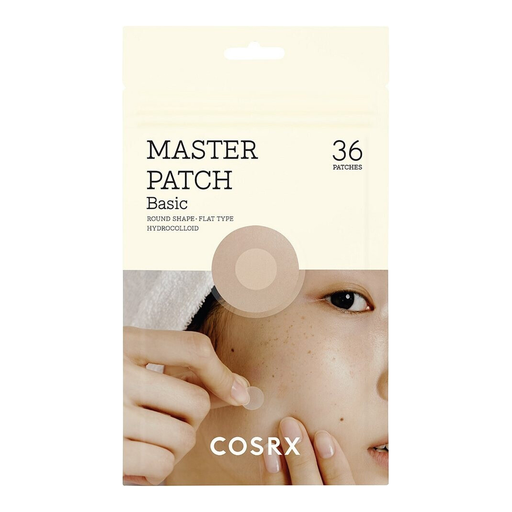
Why this product suits this profile: This pack of 36 hydrocolloid patches offers an accessible introduction to targeted spot treatment for individual blemishes.
The product information lists hydrocolloid as the base material and doesn’t mention any additional active ingredients. This makes it easier to choose based on the ingredients.
36 patches, hydrocolloid material and, according to the product description, suitable for use during the day or overnight.
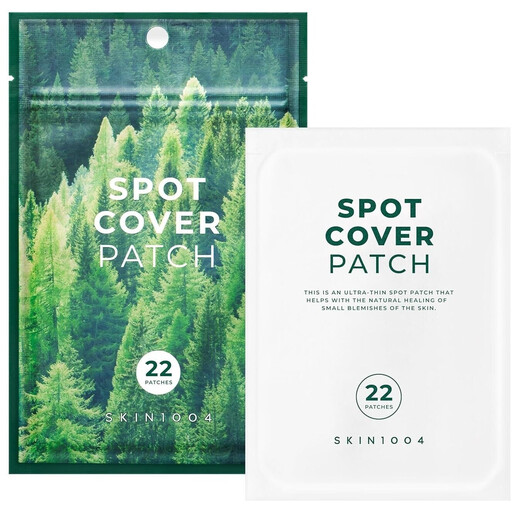
Why this product suits this profile: Its semi-transparent, waterproof design makes it an interesting option if you prefer a discreet patch for everyday wear.
The product description lists two sizes: 10 × 12 mm and 10 × 10 mm. This makes it easier to choose the right coverage for each area.
22 patches, semi-transparent hydrocolloid and, according to the product information, recommended change intervals of around 6 to 12 hours.
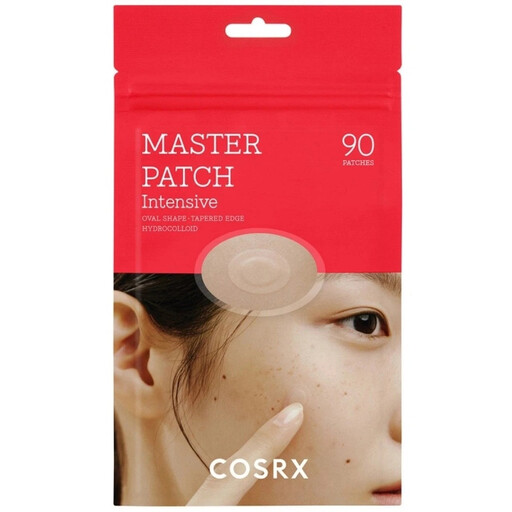
Why this product suits this profile: The large quantity is aimed at people who want to make pimple patches a regular part of their Korean skincare routine.
The description lists hydrocolloid, salicylic acid and tea tree oil. Check the full INCI list against the packaging before buying.
90 patches, a thin, translucent design and, according to the product information, suitable for use during the day or at night.
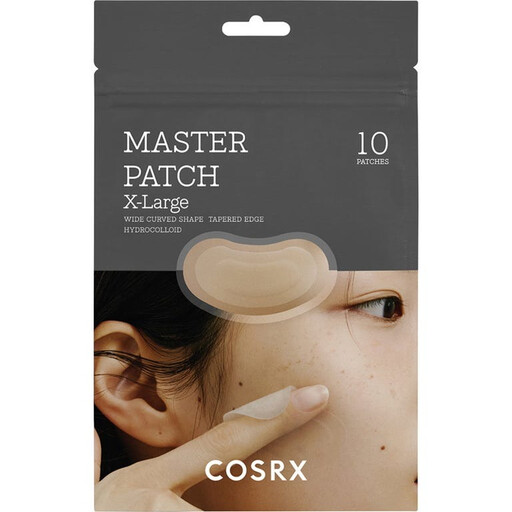
Why this product suits this profile: The 30 × 60 mm format is designed to cover a larger area, setting it apart from standard individual patches.
The exact dimensions are given, so you can check in advance whether the format suits the area you want to cover.
Large patch format, 10 patches per pack and, according to the product information, hydrocolloid as the key patch component.
We’ve put together a complete, regularly updated list of products that meet these strict selection criteria and fully comply with the safety regulations in force in the EU.
If you have frequent, painful or widespread skin changes, it’s worth seeking advice from a dermatologist. Pimple patches are designed for targeted external use on individual areas and aren’t a substitute for a medical diagnosis.
Wear time depends on the product. Many are designed to be worn for several hours or overnight. Always follow the instructions on the packaging. Change the patch at the latest if it starts to come off or looks visibly white or saturated.
Thin, matte or semi-transparent options are often less noticeable during the day. You shouldn’t automatically apply make-up over every patch, as this could affect how well it sticks. Check the manufacturer’s instructions and try the product on a small area first.
These patches are primarily designed for individual surface blemishes. A hydrocolloid patch may be of limited use on deep, unopened or severely inflamed skin changes. If symptoms persist, consult a dermatologist to find out what’s causing them.