
Lieferung heute & morgen

Qualitätsgarantie

Willkommens-Angebote freischalten: KOSTENLOSE Lieferung | Bis zu 80 % RABATT | Kostenlose 30-Tage-JoyPlus-Testphase
App herunterladen
An unexpected pimple can ruin your plans and dent your confidence. In the search for a quick fix, many turn to pimple patches. These small adhesives promise to spot-treat blemishes. But the market is crowded, and not every product delivers on its promise. Before you make an impulsive purchase, it's important to know the most common pitfalls that lead to disappointment and wasted money.
As your Joybuy Product Recommendation Officer, I'm here to help you cut through the noise. We'll look at what really matters so you can find a product that fits your needs.
Many products advertise impressive features, but often, these are the very things that fail in practice. Watch out for these two typical problems:
To avoid these mistakes and find the right product, you should evaluate two core features. These will help you objectively assess a patch's functionality and suitability.
The base of most pimple patches is hydrocolloid. This material originates from medical wound care and creates a moist environment that supports the skin's natural healing process. It draws out wound fluid (pus and sebum), which becomes visible as the patch turns white. At the same time, it protects the blemish from external bacteria and dirt and prevents you from picking at it.
Additionally, there are acne patches that are infused with active ingredients like salicylic acid or tea tree oil. These ingredients can have soothing properties. Such patches are often intended for the early stages of a blemish, before a visible head has formed. Consider whether your skin might react sensitively to such additives. For pure protection and absorption, a simple hydrocolloid patch is often the safer bet.
If you want to cover up a pimple during the day, the patch's shape and thickness are crucial. Look for products with a 'beveled edge'—a tapered, thinning border. These patches blend more seamlessly with the skin and adhere more securely, as the edges are less likely to roll up.
A thin, matte finish provides extra discretion. Shiny or thick patches are immediately visible under makeup or in daylight. For overnight use to help get rid of a pimple overnight, the thickness is less relevant, but good adhesion remains essential.
Based on these criteria, we've selected a few products from our range that are suited for different needs.
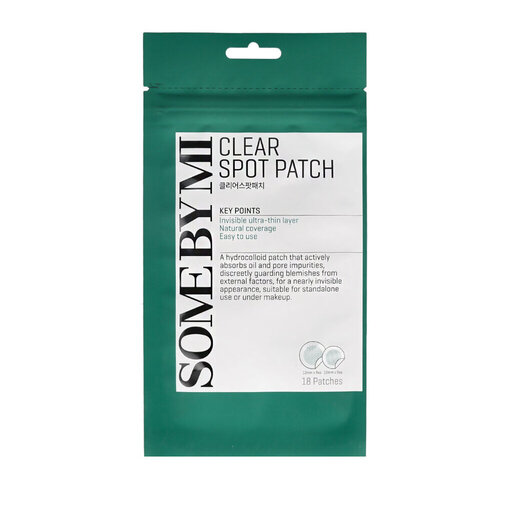
Why This Fits Their Persona: Ideal for those who only get the occasional pimple and need a straightforward, reliable solution. The pack contains two different sizes for various blemishes.
This product focuses on the core function of a hydrocolloid patch: absorbing fluid. It avoids using extra active ingredients that could irritate sensitive skin. The thin edges ensure good adhesion.
The sterile hydrocolloid material forms a physical barrier against bacteria. Its matte, inconspicuous surface makes it suitable for daytime use.
We've compiled a complete, up-to-date list of products that fully meet these strict selection criteria and all applicable safety regulations.
1. How long should a pimple patch stay on the skin? A hydrocolloid patch should be left on the skin until it turns white, which indicates it has absorbed fluid. This typically happens after 6 to 8 hours, making overnight application very convenient. Remove it afterwards and replace it with a new one if needed.
2. Do pimple patches work on under-the-skin pimples? Standard hydrocolloid patches are less effective on under-the-skin pimples (blemishes without a visible head), as their main function is to absorb fluid. For this type of blemish, products with microneedles that deliver active ingredients deeper into the skin, or specialised anti-pimple gels, might be a more suitable option.
3. Can I apply makeup over a pimple patch? Yes, this is possible, especially with very thin patches that have a matte finish. It helps to visually conceal the blemish while protecting it. Always apply the pimple patch to clean, dry skin before using foundation or other products to ensure optimal adhesion.