
Lieferung heute & morgen

Qualitätsgarantie

Willkommens-Angebote freischalten: KOSTENLOSE Lieferung | Bis zu 80 % RABATT | Kostenlose 30-Tage-JoyPlus-Testphase
App herunterladen
A single spot can be annoying in everyday life – especially if you touch it, squeeze it or cover it with make-up. Pimple patches and acne patches offer a simple way to cover individual blemishes. Depending on the material, they can absorb fluid, protect the area from friction and make it harder to touch the spot without thinking.
However, pimple stickers vary considerably in material, size, wear time and visibility. If you focus only on large pack sizes or terms such as ‘intensive’, you could end up buying a product that isn’t suited to your skin.
A low-cost pack with lots of patches can be useful if you regularly get individual blemishes. But it’s important to check that the sizes and shapes suit your needs. Very small clear pimple patches discreetly cover individual spots, while larger options are designed for wider areas. A high patch count is of little use if the patches are too small or don’t stick well.
A patch can be transparent and still stand out because of shiny edges. Matte finishes and thin, tapered edges are often less noticeable during the day. A patch may also stick less effectively if there’s cream, oil, serum or sun cream underneath. So make sure your skin is clean and completely dry before applying one.
Hydrocolloid patches are primarily intended for individual, surface-level blemishes. They may be less effective at absorbing fluid from deep, unopened spots. Don’t apply patches to large areas of irritated skin, open wounds, active dermatitis or severely inflamed areas. Stop using the patch if you experience a burning sensation, redness, swelling or itching.
A classic hydrocolloid patch often contains ingredients such as Cellulose Gum, polyisobutene or other polymer compounds. The material forms an adhesive layer and can absorb fluid from a surface-level blemish. Some anti-spot patches also contain active ingredients such as salicylic acid, tea tree oil or niacinamide.
For sensitive skin, a product with a clear, simple ingredients list can be helpful. If you react to particular ingredients, check the latest INCI list on the packaging. Manufacturers may change product details, so always refer to the labelling on the product you’re buying.
Practical sizes are often around 9 to 12 millimetres. Smaller patches are suitable for individual spots, while larger ones can cover wider areas. Some products include several diameters in one pack. Star-shaped options may be designed to stand out more, making them a better fit if you prefer a decorative look.
Depending on the product, patches can be worn for several hours or overnight. If a hydrocolloid patch turns visibly whitish or opaque, it’s a sign that it has absorbed fluid. Carefully remove it and replace it with a fresh one. Single-use patches aren’t designed to be reused.
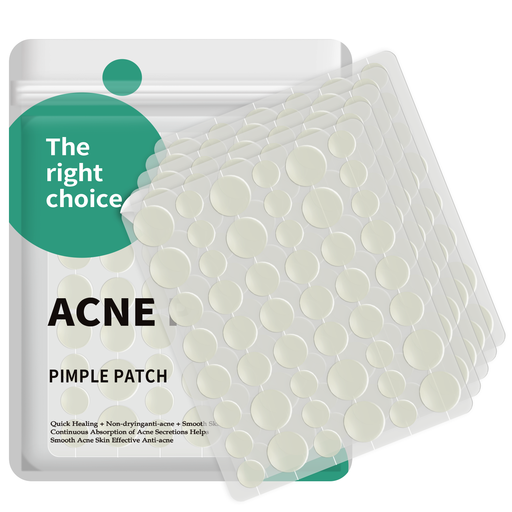
Why this product suits this profile: The pack contains several sheets with 48 patches in total, making it suitable for anyone who wants to cover individual spots regularly.
The pack size makes regular use easier without having to buy a bulk pack straight away. Check the size and material on the product page before buying.
48 patches across 5 sheets; patch format designed for individual blemishes.
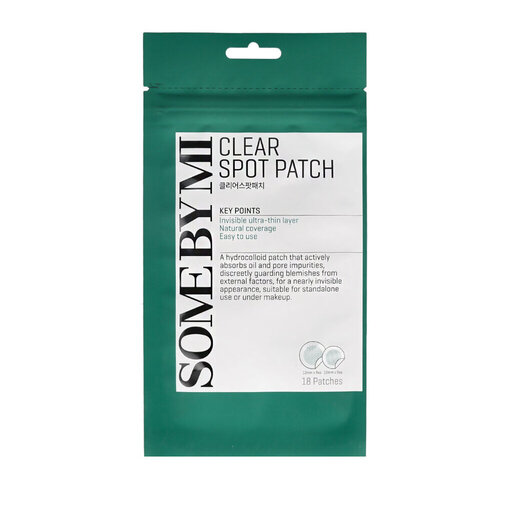
Why this product suits this profile: Its semi-transparent, matte finish is designed for daytime wear and a discreet look.
Two sizes – 10 and 12 millimetres – reduce the chance of using a patch that’s the wrong size for each spot.
18 hydrocolloid patches; two stated patch sizes; matte, semi-transparent finish.
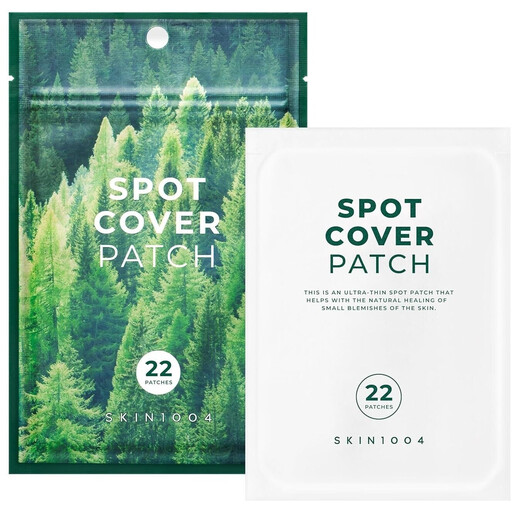
Why this product suits this profile: Described as ultra-thin, semi-transparent and waterproof, it’s designed for discreet wear during the day or overnight.
The two stated sizes make it easier to find a good fit for spots of different sizes. It’s still a good idea to do a patch test before use.
22 patches; two sizes; semi-transparent hydrocolloid material, according to the product information.
We’ve put together a complete, regularly updated list of products that meet these strict selection criteria and fully comply with the safety regulations in force in the EU.
Thin, matte or semi-transparent clear spot patches are best suited to wearing under make-up. Don’t apply liquid or cream products over the patch unless the manufacturer specifically says you can.
The recommended wear time depends on the product. Many are designed to be worn for several hours or overnight. Change the patch as soon as it looks whitish or noticeably saturated. Always follow the instructions on the packaging.
Blackhead patches and hydrocolloid patches aren’t the same thing. Hydrocolloid mainly absorbs fluid from surface-level, open blemishes. It may have limited effect on closed or deep-set blackheads. A patch isn’t a substitute for a suitable skincare routine or advice from a dermatologist.
There’s no one-size-fits-all answer. Simple hydrocolloid patches without added active ingredients may be a more straightforward option for some people. Use products containing salicylic acid, tea tree oil or other added ingredients with particular care. Stop using the patch if irritation persists or you experience severe redness or swelling, and seek medical advice.