
Lieferung heute & morgen

Qualitätsgarantie

Willkommens-Angebote freischalten: KOSTENLOSE Lieferung | Bis zu 80 % RABATT | Kostenlose 30-Tage-JoyPlus-Testphase
App herunterladen
A single spot can be a nuisance in everyday life – especially when it gets touched, needs covering or you want to treat it as discreetly as possible. Pimple patches promise a simple solution, but not every product is right for every skin concern. There are important differences between hydrocolloid patches, spot patches with active ingredients and decorative pimple stickers.
Transparent pimple patches can be discreet in daylight. How visible they are depends on the thickness of the material, the edges, the finish and how oily your skin is. A shiny patch is more likely to stand out in direct light than a matt one. Its edges may also show under make-up. If you want to wear pimple patches on your face during the day, look for a version that’s as thin as possible and either skin-toned or matt.
Hydrocolloid absorbs fluid and certain secretions at the skin’s surface, creating a physical covering. This can be useful for individual surface blemishes. However, its ability to absorb is limited when it comes to deep, unopened or severely inflamed lumps. A patch is also no substitute for seeing a dermatologist if you have persistent or severe skin problems.
Some pimple patches also contain salicylic acid, tea tree oil, niacinamide or plant extracts. These may suit certain skincare routines, but they also increase the number of ingredients that could cause a reaction in sensitive skin. If your skin is reactive, a simple hydrocolloid product without added active ingredients may be the more straightforward choice.
In classic hydrocolloid patches, ingredients such as cellulose gum, polyisobutene or pectin form an adhesive layer. It absorbs moisture and protects the affected area from friction and repeated touching. The patch may turn whitish or opaque as it does so. This is a visible sign that it has absorbed fluid, but it isn’t proof of a medical healing effect.
If you’re considering spot patches with active ingredients, check the full INCI list. According to the product information, some versions contain salicylic acid and tea tree oil, for example. These ingredients may not suit sensitive skin. Always check the ingredients on the packaging of the product you’re buying, as formulations can change.
A patch should cover the affected area completely without sticking to unnecessarily large areas of skin. Packs with a range of sizes are useful – for example, 9 to 12 millimetres – if you want to cover blemishes of different sizes. A standard size is enough for a single small spot. If you use patches regularly, the number of pimple stickers per pack and the price per patch are more useful comparisons than pack size alone.
Special shapes such as star patches can be decorative, but they aren’t necessarily more functional. Matt, discreet styles are usually easier to wear every day, at work or at school.
Before applying a patch, your skin should be clean, dry and free from cream, oil, serum or make-up. Otherwise, the patch may come loose too soon. Depending on the product, it can be left on for several hours or overnight. Some manufacturers recommend six to twelve hours, while others say to remove it once the material is visibly saturated.
Don’t apply a patch to open wounds, severely irritated skin or areas affected by acute dermatitis. Stop using it if you experience burning, redness, swelling or itching. Patches are for single use and shouldn’t be reused.
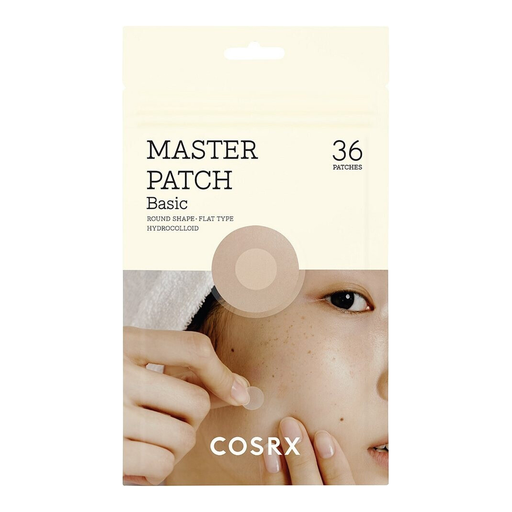
Why this product suits this profile: The pack contains 36 classic hydrocolloid patches, making it a good choice if you’re looking for a straightforward spot treatment without additional active ingredients to consider.
It focuses on a straightforward hydrocolloid formula rather than a long list of active ingredients. Check the actual INCI list on the packaging before buying.
36 patches; classic patch design; according to the product information, suitable for use during the day or overnight.
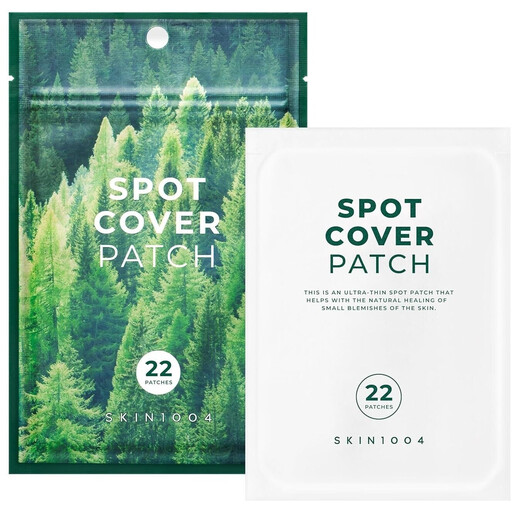
Why this product suits this profile: The product information describes an ultra-thin, semi-transparent, waterproof hydrocolloid material, as well as two sizes for targeted application.
The different sizes and clearly listed materials make it easier to compare with products that rely on vague claims about what they can do.
22 patches; sizes 10 × 12 mm and 12 × 10 mm; according to the supplier, made in Korea.
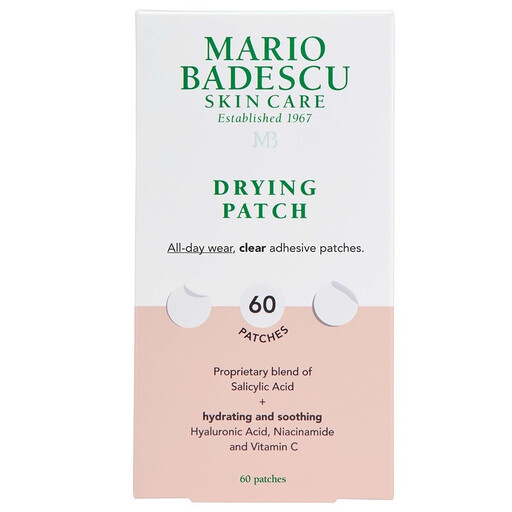
Why this product suits this profile: With 60 transparent patches, this product is aimed at people who regularly cover individual spots and want an option for both day and night.
The additional ingredients are listed clearly, so you can check in advance whether salicylic acid, niacinamide, tea tree and other extracts suit your routine.
60 patches; transparent design; according to the product information, contains several additional ingredients.
We’ve put together a complete, regularly updated list of products that fully meet these strict selection criteria and the safety regulations in force in the EU.
If you want to treat or cover a spot overnight, apply the patch to dry skin just before going to bed. Apply skincare products around the spot, not underneath the patch.
How long you can wear it depends on the product. Six to twelve hours is common guidance. Remove or replace the patch once the material changes colour, starts to come away or reaches the stated maximum wear time. The products mentioned here aren’t intended to be worn for more than 24 hours.
Blackhead patches aren’t necessarily the same as hydrocolloid patches. Hydrocolloid is mainly used to cover surface blemishes and absorb fluid. It may have limited effect on dry, closed or deep-set blackheads. If you have recurring or widespread acne, it’s worth seeking advice from a dermatologist.
It depends on the material and any added ingredients. A simple hydrocolloid patch may be easier to assess than a product containing several active ingredients. Before using one on a larger area, it’s a good idea to test it on a small, discreet patch of skin. Stop using it if irritation occurs.