
Lieferung heute & morgen

Qualitätsgarantie

Willkommens-Angebote freischalten: KOSTENLOSE Lieferung | Bis zu 80 % RABATT | Kostenlose 30-Tage-JoyPlus-Testphase
App herunterladen
A single spot can stand out in the mirror more than anything else on your skin. Pimple patches, also known as acne patches, offer a simple way to cover individual blemishes during the day or overnight. But patches vary considerably in their material, size, shape, pack size and ingredients.
As Joybuy Product Recommendation Officer, I’ve picked out the key buying criteria from the product information. This should make it easier to work out whether a hydrocolloid spot patch suits your skin, your routine and your budget.
With traditional hydrocolloid patches, the material can turn whitish or opaque as it absorbs fluid. This is a visible change in the material, not reliable proof of a medical effect. The patch’s ability to absorb fluid may also be limited for dry or deep-set blemishes.
Transparent pimple patches can be discreet if they’re the right size and have a thin edge. However, they may still be visible on very red skin, in certain lighting or under some make-up products. So it’s not just the colour that matters: the edge, diameter and adhesion are important too.
A pack with lots of patches may look like good value at first. But what matters is whether the shapes and sizes included actually suit your needs. If you only cover occasional spots, a smaller pack may work out cheaper. If you use patches regularly, larger packs can mean fewer repeat orders.
Hydrocolloid patches often consist of an adhesive backing with hydrocolloid components such as cellulose gum or polyisobutene. They create a physical covering and can absorb fluid. This is different from cosmetic or active-ingredient anti-blemish patches.
Some products contain additional ingredients such as salicylic acid or tea tree oil. These may be a consideration if you have sensitive skin. Check the full INCI list before buying, and again on the packaging itself, as manufacturers can change their formulas. If you know your skin is sensitive, it’s best to test the product on a small area first.
Having several sizes to choose from is useful for covering individual blemishes. Common diameters are around 9 to 12 millimetres. A patch should cover the affected area completely without covering more skin than necessary.
Round patches are generally a good fit for individual spots. Star-shaped patches can also add a visible design detail, while styles with a tapered edge may offer a more discreet covering. The shape should suit how you plan to use the patch; it isn’t automatically a sign of quality.
Clean your skin and let it dry completely before applying a patch. Cream, oil, serum or sun cream on the area where the patch will stick can weaken its hold. Apply the patch directly to the dry area and press it down gently for a few seconds.
Follow the manufacturer’s instructions for how long to wear it. Some products recommend changing the patch after several hours or when it becomes visibly cloudy. Do not reuse a single-use patch. Do not apply it to open wounds, very irritated skin or pronounced inflammatory skin changes. Stop using it if you experience burning, redness, swelling or itching.
The recommendations below differ mainly in pack size, shape, ingredients and documented product features. Check the details against the current product packaging before you buy.
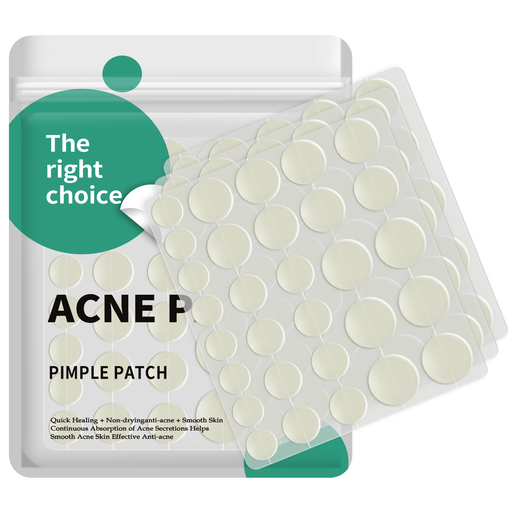
Why this product suits this profile: The pack contains 30 patches across 3 sheets, making it a good option if you’d like to try spot patches or occasionally cover individual blemishes.
The mid-sized pack helps you avoid buying a very large quantity straight away, especially if the sizes or shapes turn out not to suit you.
30 patches across 3 sheets offer an easy way to get started with targeted application.
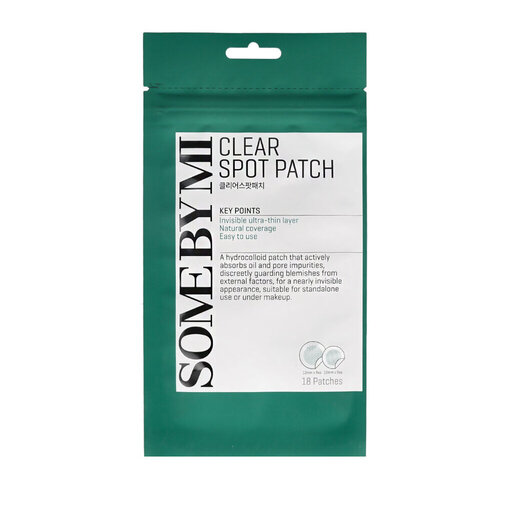
Why this product suits this profile: The semi-transparent pack includes 9 patches measuring 10 millimetres and 9 measuring 12 millimetres. That’s handy if you want to discreetly cover spots of different sizes.
Having two sizes to choose from means you’re less likely to need to use a patch that’s too large for the spot.
Semi-transparent hydrocolloid material in two diameters; product information says they’re designed for day and night use.
We’ve put together a complete, regularly updated list of products that meet these strict selection criteria and fully comply with the safety regulations in force in the EU.
Pimple patches are designed for individual spots. They’re not a substitute for a dermatological assessment if you have widespread, painful or recurring skin problems.
It depends on the product. Many are designed to be worn for several hours or overnight. Remove the patch if it becomes visibly cloudy, starts to come away or has been worn for longer than the manufacturer recommends. Replace it with a new one if needed.
Hydrocolloid patches are mainly suitable for individual surface blemishes where they can absorb fluid. Their ability to absorb may be limited for deep-seated, unbroken or severely inflamed spots. The material alone isn’t enough to establish a general medical benefit.
Thin, transparent or semi-transparent styles may be designed for daytime use. How discreetly a patch sits under make-up, and how well it stays in place, depends on its edge, how you prepare your skin and the make-up you use. Apply it to clean, dry skin and make sure it’s secure before putting on any other make-up.