
Lieferung heute & morgen

Qualitätsgarantie

Willkommens-Angebote freischalten: KOSTENLOSE Lieferung | Bis zu 80 % RABATT | Kostenlose 30-Tage-JoyPlus-Testphase
App herunterladen
Individual blemishes can be difficult to ignore in everyday life. Many people want to cover spots quickly without constantly touching or squeezing them. Pimple patches can be a practical addition to your skincare routine. However, acne patches vary considerably in terms of material, size, adhesion and comfort.
If you focus only on eye-catching packaging, terms such as “intensive” or a high piece count, you may overlook important details. The following tips will help you compare pimple patches objectively and choose a product that suits the way you intend to use it.
A pack containing lots of patches may seem attractive in terms of price. However, what matters is how many sizes are included and whether the shape suits your blemishes. A product with just one standard size is less flexible for very small or larger areas. You should also compare the price per patch, rather than just the total price.
Transparent pimple patches can look discreet on the skin. Under make-up, however, the result also depends on the edge design, surface and adhesion. An edge that is too thick or shiny may be visible in daylight. Matte, thin or tapered edges are often more practical during the day.
Some pimple patches also contain salicylic acid, tea tree oil or niacinamide. These ingredients may be of interest for certain routines, but they are not automatically suitable for sensitive or already irritated skin. A pure hydrocolloid patch has a simpler material composition. If redness, burning or itching occurs, stop using it.
Hydrocolloid patches are made from a gel-forming material that can absorb fluid. Depending on the product, the patch may become visibly lighter or turn whitish as it does so. At the same time, it creates a physical barrier against friction, dirt and frequent touching. This can be a hygienic everyday aid, but it is not a substitute for dermatological treatment.
When choosing an active-ingredient patch, it is worth checking the complete INCI list. Master Patch Intensive, for example, lists cellulose gum, polyisobutene, salicylic acid and tea tree oil among its ingredients. If you are sensitive to particular substances, check the packaging information and initially observe how a small area of skin reacts.
Small pimple patches sit more precisely over individual blemishes. A range of diameters is useful for different areas of the face and body. According to the product details, the SKIN1004 Madagascar Centella Tea-Trica Pimple Spot Cover Patch contains 22 patches in sizes 10 × 12 mm and 12 × 10 mm.
Special formats are available for larger areas. According to the product description, the Master Patch X-Large measures 30 × 60 mm and is designed to cover a larger area. A size like this is not automatically suitable for every spot: the larger the adhesive area, the more important it is to apply it to a clean, dry and sufficiently intact area of skin.
Before applying the patch, cleanse the skin and dry it thoroughly. Cream, oil, serum or any remaining moisture can weaken adhesion. Place the patch directly over the affected area and press it down for a few seconds.
The exact wear time depends on the manufacturer’s instructions. SKIN1004 recommends changing the patch after several hours or when visible absorption has occurred. A patch that has already turned whitish or started to come away should not be used any further. Single-use products must not be reapplied.
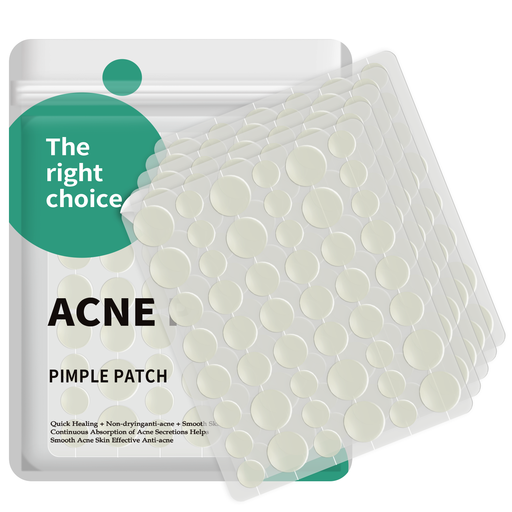
Why this product suits this profile: The stated pack of 48 patches across five sheets is suitable for people who regularly want to cover individual spots and initially prioritise a higher quantity.
The quantity is clearly stated in the product name. Before buying, you should still check the material, measurements and application instructions in the specific retailer listing.
48 patches and five sheets provide a supply for repeated applications. The product description makes no additional active-ingredient claims.
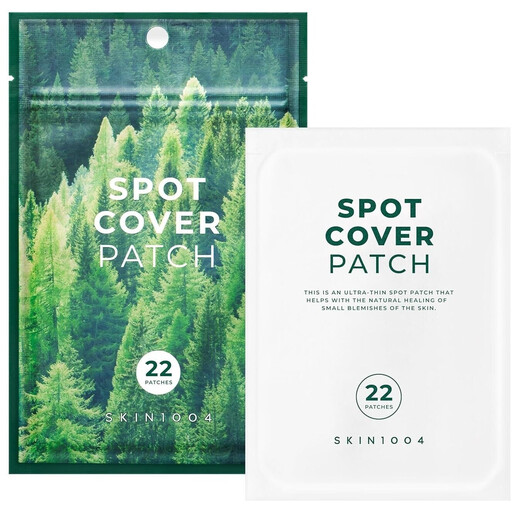
Why this product suits this profile: The product details state that it uses an ultra-thin, semi-transparent and waterproof hydrocolloid material, with two patch sizes for day and night.
The precise measurements and material are specified. This makes it easier to match your choice to the size of the blemish and your preferred level of visibility.
22 patches in two sizes, a semi-transparent design and, according to the supplier, suitability for use on different skin types.
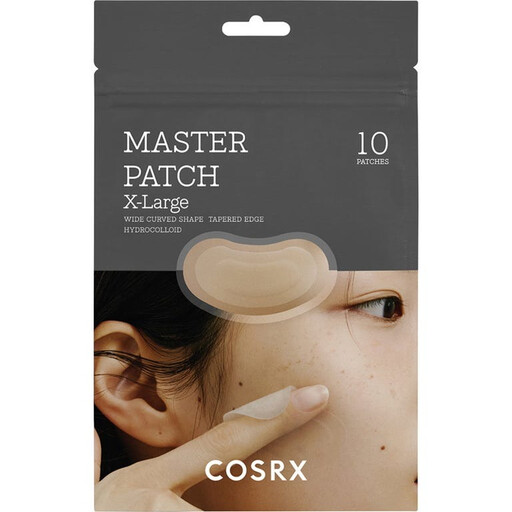
Why this product suits this profile: This large format is aimed at people who want to cover a larger continuous area rather than looking for individual small patches.
The 30 × 60 mm measurement is clearly stated. This lets you check in advance whether the coverage is oversized for the intended area of skin.
Large format for continuous coverage and ten pieces per pack. The product details name hydrocolloid as the main patch component.
We have put together a complete, regularly updated list of products that fully meet these strict selection criteria and the safety regulations applicable in the EU.
This depends on the surface, edge and adhesion. Thin, matte or semi-transparent models are generally more suitable for this purpose. Make-up should not be applied underneath the patch, as skincare and colour residue can affect adhesion. If the manufacturer provides different instructions for a particular product, follow those instructions.
Many manufacturers recommend wearing them for several hours or overnight. It is advisable to change the patch if it becomes visibly discoloured, has absorbed fluid or starts to come away. Always check the product packaging for the precise duration. An individual patch should not be worn for longer than the manufacturer recommends.
They are primarily intended for individual, superficial blemishes. With deep, unopened or severely inflamed skin changes, the function of an absorbent patch may be limited. If you experience recurring or pronounced acne, it is advisable to consult a dermatologist.