
Lieferung heute & morgen

Qualitätsgarantie

Willkommens-Angebote freischalten: KOSTENLOSE Lieferung | Bis zu 80 % RABATT | Kostenlose 30-Tage-JoyPlus-Testphase
App herunterladen
Individual blemishes, blackheads and red patches can be targeted and covered as part of your daily routine. Pimple patches are a practical addition to your skincare routine: simply stick one directly over the affected area to help stop you from scratching or squeezing it without thinking. However, pimple patches can vary considerably in their materials, sizes, ingredients and comfort.
That’s why Joybuy Product Recommendation Officer’s selection focuses on clear product features rather than sweeping marketing claims.
Many blemish patches are advertised as discreet. In practice, how visible they are depends on their diameter, edge thickness, finish and your skin tone. A patch may be thin, for example, but a shiny edge can still show under make-up or in daylight. For daytime use, transparent or skin-tone options with the flattest possible edges are usually more suitable. Overnight, appearance matters less than a secure fit.
A high pack count may look like good value at first glance. What matters, though, is whether the sizes included suit your blemishes. If you mainly want to cover small spots, you may not use a larger size to its full potential. Conversely, small pimple patches won’t suit larger areas. Checking the number of patches, size range and individual measurements can help you avoid buying the wrong product.
Salicylic acid or tea tree oil may be included in some pimple patches. That doesn’t automatically mean they can treat every spot or case of acne. Patches containing active ingredients may be more likely to irritate sensitive skin. Always follow the product instructions. If you have persistent, painful or severely inflamed skin changes, it’s worth seeking advice from a dermatologist.
Hydrocolloid patches are made from a material that can absorb fluid from superficial blemishes on unbroken skin. Depending on the product, the patch may visibly change as it does so. This isn’t reliable proof of a medical effect; it simply indicates how the material has reacted.
If you have sensitive skin, a short, clear ingredients list is often easier to assess. For example, Master Patch Basic lists Cellulose Gum, Hydrogenated Poly(C6-20 Olefin), Polyisobutene and Styrene/Isoprene Copolymer. Check the latest INCI list on the packaging before you buy.
Small pimple patches of around 9 to 11 mm are suitable for individual, clearly defined spots. A larger format may be more practical for several blemishes close together. According to the product details, Master Patch X-Large measures 30 x 60 mm and is designed for larger areas. Don’t apply it to open wounds, deep cuts or severely inflamed acne.
Your skin should be clean and dry, with no cream, oil or serum on it. This helps the patch stick securely. Depending on the product, it may be worn for several hours or overnight, then replaced. Patches aren’t designed to be reused.
If you want to cover a spot overnight, check the recommended wear time. Stop using the patch if you experience redness, stinging or any other irritation. Avoid contact with your eyes.
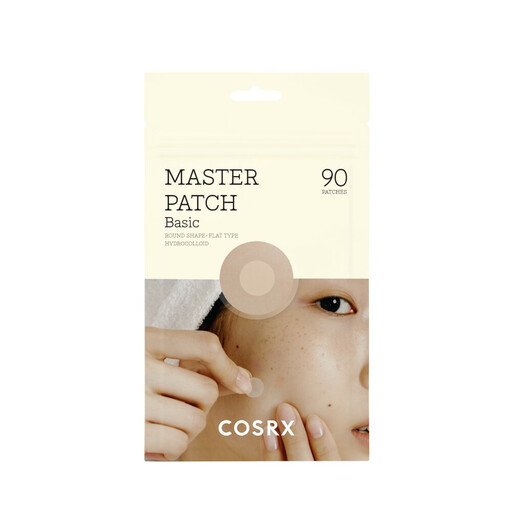
Why this product suits this profile: The pack contains 90 patches, making it a good choice if you want to use pimple patches regularly on individual spots. Apply to clean, dry skin.
The high pack count makes it easier to keep track of the cost per use. Even so, check that the patch size included suits your needs before buying.
90 patches per pack; stated material base with no additional salicylic acid or tea tree oil listed.
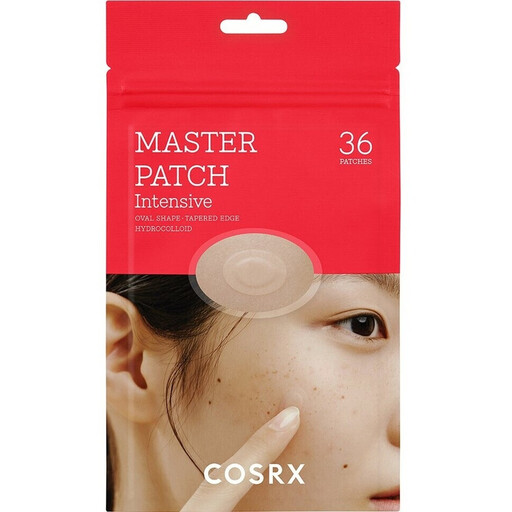
Why this product suits this profile: This option is for people who look beyond the patch material and pay attention to the listed ingredients in their acne patches.
The product details specifically list salicylic acid and tea tree oil. If you have sensitive skin, monitor how it responds by trying the patch on a small area first.
36 patches; according to the product details, two sizes (9 mm and 11 mm), with salicylic acid and tea tree oil in the INCI list.
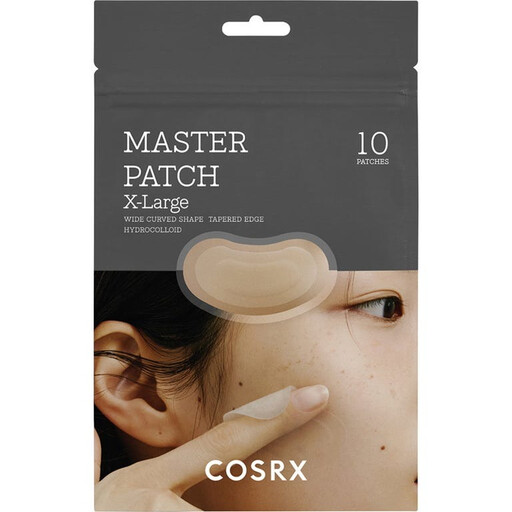
Why this product suits this profile: This format is designed for larger, connected areas and can be an alternative to using several small blackhead patches.
The specific 30 x 60 mm measurements make it easier to plan the coverage. However, this format may be too large for a single small spot.
10 patches; extra-large 30 x 60 mm format; niacinamide, according to the product details.
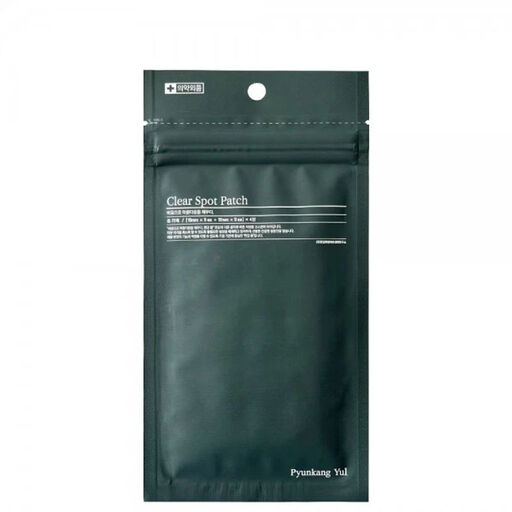
Why this product suits this profile: The multi-pack and discreet design make it well suited to regular use during the day or overnight.
The product details specify hydrocolloid technology and a thin, transparent design. This makes it easier to judge whether the patches are right for daytime or overnight use.
4 packs of 18 patches; hydrocolloid listed as the main ingredient in the product details; designed for clean, unbroken skin.
We’ve put together a complete, regularly updated list of products that meet these strict selection criteria and comply fully with the safety regulations in force in the EU.
Don’t apply patches to open wounds, deep cuts or severely irritated skin. If you have sensitive skin, it’s a good idea to test one on a small area first. Pimple patches aren’t a substitute for medical treatment if you have severe or recurring acne.
It depends on the product. Many patches are designed to be worn for several hours or overnight. Always follow the instructions on the packaging. Remove the patch if it visibly changes, comes loose or causes a reaction.
Transparent pimple patches with flat edges are generally more suitable than thick or larger formats. Your skin must be clean and dry before you apply one. Wait until the patch has adhered securely before carefully applying make-up.
There’s no one-size-fits-all answer. Some people may find options without additional active ingredients easier to assess. However, individual reactions to salicylic acid and tea tree oil can vary if you have sensitive skin. Stop using the patch if you experience redness or stinging.