
Lieferung heute & morgen

Qualitätsgarantie

Willkommens-Angebote freischalten: KOSTENLOSE Lieferung | Bis zu 80 % RABATT | Kostenlose 30-Tage-JoyPlus-Testphase
App herunterladen
A single spot can be a nuisance in everyday life, especially if you touch it, squeeze it or cover it with make-up. Pimple patches, also known as acne patches or spot patches, offer a targeted way to cover individual areas of skin. Depending on the type, they can absorb fluid, protect the area from friction and make it harder to touch the spot without thinking.
However, products vary considerably. Eye-catching packaging, claims such as ‘intensive’ or a low price per patch tell you little about the material, size or how to use them. If you’re thinking of buying hydrocolloid patches, it’s worth knowing about a few common pitfalls.
How noticeable transparent pimple patches are can vary depending on your skin tone, the shape of the edges and the surface finish. Shiny films reflect light, while matte finishes or slightly tapered edges are often less conspicuous. If you plan to wear a patch under make-up, check whether the manufacturer specifically says it’s suitable for use with cosmetics.
Some spot patches contain ingredients such as salicylic acid, niacinamide or tea tree oil. Their presence doesn’t automatically mean the product will have a particular effect on everyone’s skin. If you have sensitive skin, the addition of active ingredients may be a reason to check the ingredients list carefully. A simple hydrocolloid patch, by contrast, works primarily as a physical covering and absorbent layer.
A patch that’s too small may not cover the affected area completely. A model that’s too large is more noticeable during the day and can use up more material than necessary on small blemishes. Sets with several diameters, or different product sizes for small and larger areas, can be a practical choice.
Hydrocolloid is an absorbent material that can draw fluid from surface blemishes. Once it has absorbed enough, the patch may turn whitish or opaque. This visible change can be a sign that it’s time to replace it. Hydrocolloid patches are mainly intended for surface blemishes that have already opened or are weeping. Their absorbency is naturally limited on deep, closed and severely inflamed spots.
If you’re looking for a simple K-beauty approach to spot care, you may prefer a patch without active ingredients or with a straightforward formula. Use versions containing salicylic acid or tea tree oil according to the manufacturer’s instructions. Always check the current INCI list on the packaging, as formulas and product information may change between batches.
For everyday wear, ultra-thin, semi-transparent or matte patches are often more practical. For a reliable fit, your skin needs to be clean and dry, with no cream, oil or serum on it. The edges may come loose more quickly if your skin is damp.
Look for:
Clean the affected area and dry it completely. Apply the patch directly to your skin and press it down gently for a few seconds. Apply skincare products only after removing the patch, not underneath it. Don’t apply a patch to open wounds, deep cuts, severely irritated skin or serious inflammatory skin changes.
Stop using the patch if you experience redness, swelling, itching or a burning sensation. If skin changes persist or are pronounced, seek advice from a dermatologist. Pimple patches are not a substitute for medical treatment for acne.
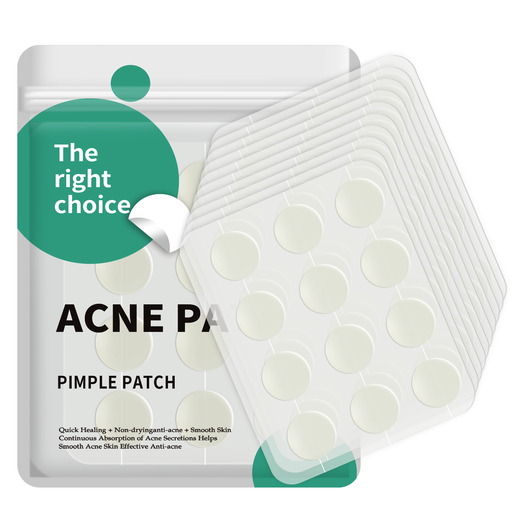
Why this product suits this need: The pack of ten sheets is a good option if you’re planning several individual applications and want to start with a straightforward format.
You can check the pack size before buying. Also check the actual number of patches and the information on the product packaging.
Ten sheets provide a manageable supply, suitable for regular, targeted use.
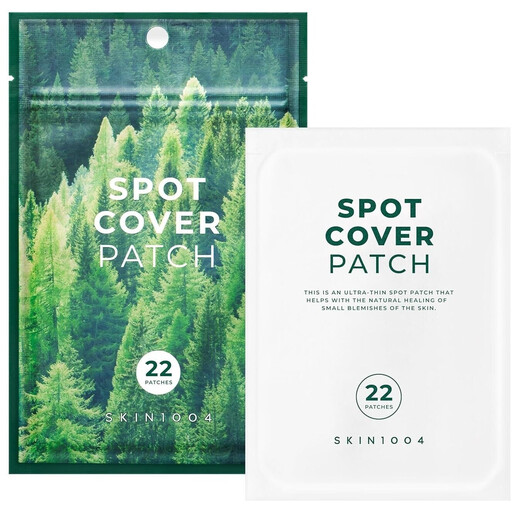
Why this product suits this need: A good choice if you’re looking for a thin, semi-transparent hydrocolloid patch in two stated sizes: 10 × 12 millimetres and 12 × 10 millimetres, with 22 patches in total.
The material, number of patches, sizes and stated wear time are all clearly listed, making it easier to compare with other spot patches.
22 hydrocolloid patches in two sizes; described as ultra-thin and waterproof, and intended for use day and night.
We’ve put together a complete, regularly updated list of products that meet these strict selection criteria and fully comply with the safety regulations in force in the EU.
Clean the area and dry it completely. Then apply the patch directly to the spot and press it down gently. Creams, oils and make-up underneath the patch can affect how well it sticks. Follow the product instructions for how long to wear it. Remove any patch that has changed colour or come loose, and don’t reuse it.
Many hydrocolloid patches are designed for overnight use. They protect the area from friction and contact while you sleep. However, this doesn’t mean every spot will disappear overnight. Their effect as an absorbent covering may be limited on deep or severely inflamed skin changes.
You’ll find the best-before date and batch number on the packaging. Store unopened patches in a cool, dry place away from direct sunlight. Reseal the packaging securely after opening. As these are single-use products, each patch should be disposed of after use.