
Lieferung heute & morgen

Qualitätsgarantie

Willkommens-Angebote freischalten: KOSTENLOSE Lieferung | Bis zu 80 % RABATT | Kostenlose 30-Tage-JoyPlus-Testphase
App herunterladen
Pimple patches are a practical way to cover individual blemishes and protect the affected area from friction, dirt and constant touching. Hydrocolloid patches, transparent pimple patches and Korean skincare products are often marketed as simple spot treatments.
However, not every product suits every skin type or purpose. Claims such as ‘invisible’, ‘for all skin types’ or ‘intensive care’ should not be considered in isolation. What matters is the material, patch size, ingredients, adhesion and the specific nature of the blemish.
A single small pimple patch is not necessarily suitable for a larger reddened area or several blemishes close together. If the affected area is not fully covered, the patch may slip or only partly protect the skin.
Diameters of around 9 to 12 millimetres are common for individual spots. For several blemishes or larger areas of skin, oblong formats such as 30 × 60 millimetres may be more practical.
Acne patches may be made mainly from hydrocolloid or contain additional ingredients such as salicylic acid, tea tree oil or niacinamide. These formulations are not equally suitable for every skin type. Sensitive skin may react to certain active ingredients or essential oils.
That is why the full INCI list on the packaging is more important than general marketing claims. If you know your skin is sensitive, try the product on a small area of skin first.
Oil, moisture, serum or cream can reduce adhesion. This may cause a patch to come off prematurely and make it less reliable as a protective covering. Before applying a patch, your skin should be cleansed, completely dry and free from skincare products.
Pimple patches are also single-use products. Do not reapply a patch that has already been used.
Hydrocolloid absorbs fluid and skin secretions at the point of contact. Remove the patch when it becomes visibly cloudy or after the wear time recommended by the manufacturer, and replace it if needed. The material also creates a physical barrier that can make unconscious scratching or squeezing more difficult.
If you have particularly sensitive skin, thin, transparent or matte edges may be worth considering. They are less noticeable during the day and, depending on their adhesion and finish, can be worn under make-up. However, no patch can be guaranteed to be invisible on every skin tone, in every location or under all lighting conditions.
Before buying, make sure the patch size is suitable for the area where you plan to use it:
A patch should cover the blemish completely without covering unnecessarily large areas of healthy skin.
Products containing salicylic acid or tea tree oil are aimed at shoppers looking for additional ingredients as well as coverage. Products without these additions may be a simpler option if your main priority is protection and coverage.
Do not use pimple patches on open wounds, deep cuts, severely irritated skin or pronounced inflammatory changes. Stop using the patch if persistent redness, burning, swelling or itching occurs. If you have recurring or severe acne, it may be helpful to seek advice from a dermatologist.
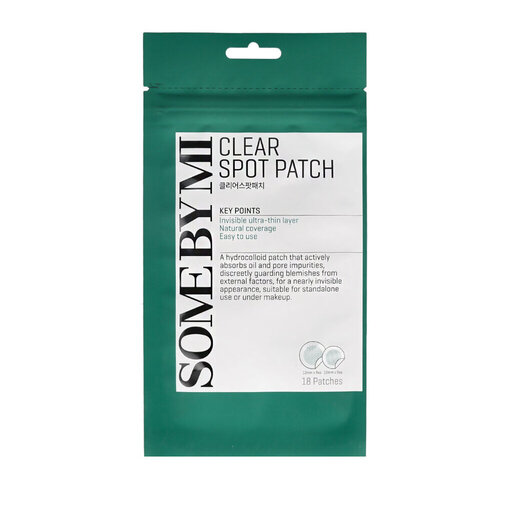
Why this product suits this profile: The two listed sizes, 10 and 12 millimetres, give you a more tailored choice. The matte, semi-transparent finish may appeal if you prefer discreet coverage during the day.
The directions emphasise applying the patch to clean, dry skin and using it only once. This helps reduce common adhesion and hygiene problems caused by cream or reuse.
18 pieces; two sizes; hydrocolloid film containing cellulose gum, polyisobutene and other adhesive ingredients, according to the product information.
We’ve put together a complete, regularly updated list of products that fully meet these strict selection criteria and the safety regulations in force in the EU.
Hydrocolloid patches are not necessarily suitable for open injuries or severely inflamed or deep-seated skin changes. Always follow the directions on the packaging of the specific product.
Wear time depends on the product and the condition of your skin. Many manufacturers recommend wearing a patch for several hours or overnight. If it turns whitish or starts to lift at the edges, remove it and replace it if needed. Do not wear a single-use patch for longer than directed or use it more than once.
Hydrocolloid patches are mainly designed for superficial, clearly defined blemishes. They may absorb less fluid from deep-seated or unruptured inflamed spots. A patch is not a substitute for dermatological treatment and should not be considered a general treatment for acne.
Thin, matte or semi-transparent styles may be suitable for wearing under make-up. Your skin must be dry and free from cream or serum before you apply the patch. Heavy make-up, friction or skin oils can affect how well it sticks and how visible it is.