
Lieferung heute & morgen

Qualitätsgarantie

Willkommens-Angebote freischalten: KOSTENLOSE Lieferung | Bis zu 80 % RABATT | Kostenlose 30-Tage-JoyPlus-Testphase
App herunterladen
A single spot can be a nuisance in everyday life – especially if it’s difficult to cover with make-up or you find yourself picking at it without thinking. Pimple patches, also known as acne patches, offer a simple way to cover individual blemishes. But not every spot patch is right for every skin type or purpose.
Before you buy, it’s worth checking the material, ingredients, dimensions and pack size. This can help you avoid common buying mistakes and choose face patches for spots that fit your routine.
Star-shaped or coloured spot patches can be a visible accessory for everyday wear. For school, work or appointments, however, clear pimple patches are often more discreet. The shape alone says nothing about the material, how well the patch sticks or whether it’s suitable for the area of skin you want to cover.
Many pimple patches are marketed for overnight use. In practice, this mainly means that the patch stays on cleansed skin for several hours and provides a covering. Any visible change may depend on the type of blemish, your skincare routine and how long you wear the patch. A hydrocolloid patch may have limited absorption for deep, closed or severely inflamed spots.
A large pimple patch set may seem like an attractive deal. But what matters is whether the sizes included suit your needs. Very small patches are suitable for individual spots, while larger ones cover more area. If you have sensitive skin, check the full ingredients list too – particularly if the patches contain added ingredients such as salicylic acid or tea tree oil.
Hydrocolloid patches are often made from materials such as cellulose gum, polyisobutene or other polymers. The material can absorb fluid and discharge from the affected area. If the patch turns whitish or opaque, this indicates that it has absorbed moisture – it isn’t general proof of a medical effect.
Another practical benefit is the protective barrier: the patch can shield the area from friction, dirt and touch. This can be helpful if you often touch your face without thinking. However, a patch is not a substitute for dermatological treatment and shouldn’t be applied to open wounds, severely irritated skin or serious inflammation.
Not every product is a plain hydrocolloid patch. Some Korean acne patches contain additional ingredients. According to the product information, the Master Patch Intensive contains salicylic acid and tea tree leaf oil, among other ingredients. According to its stated INCI list, the Mario Badescu Drying Patch contains niacinamide, salicylic acid, Centella asiatica extract and tea tree extract, among other ingredients.
These formulations may appeal to anyone looking for a combination of coverage and additional cosmetic ingredients. If you have sensitive or irritation-prone skin, a patch with a simpler formulation may be easier to assess. Always refer to the information on the current packaging, as INCI lists can change.
Look for:
Cleanse the skin before use and let it dry completely. Creams, oils or serums under the patch can affect how well it sticks. After removing it, dispose of the single-use patch; don’t reuse it.
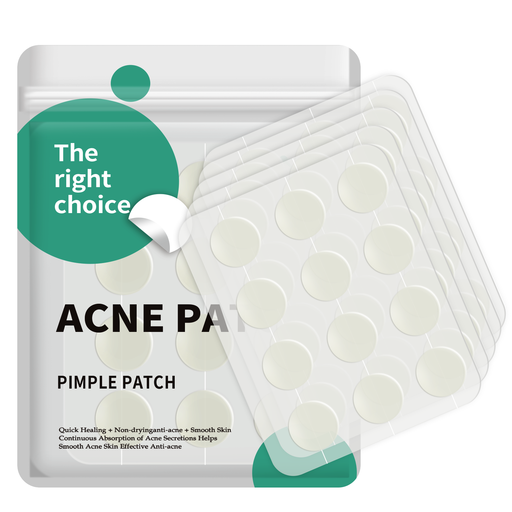
Why this product suits this profile: The pack contains 5 sheets, with a total of 12 patches per sheet, making it a good choice if you’d like to try pimple patches on a smaller scale to begin with.
The clear quantity makes it easier to judge how much you’re getting and helps you avoid buying a large pack with an unsuitable number of patches.
A manageable pack size and an easy introduction to using spot patches.
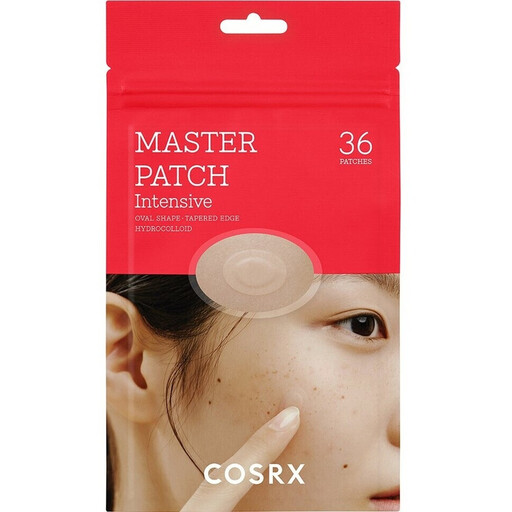
Why this product suits this profile: According to the product information, this set combines hydrocolloid material with salicylic acid and tea tree oil. It contains 13 patches measuring 9 mm and 16 patches measuring 11 mm.
The two stated sizes reduce the risk of having to use the same, possibly oversized patch for every blemish.
Two patch sizes and a stated INCI list featuring additional ingredients.
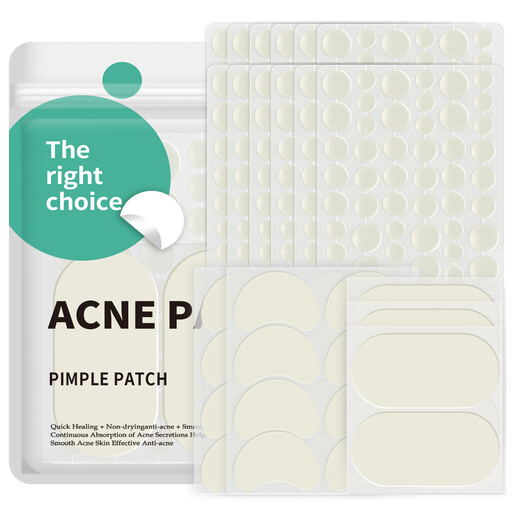
Why this product suits this profile: With 598 patches, this set is aimed at anyone who regularly covers individual blemishes and wants to keep a larger supply at home.
The large quantity is a practical option for frequent users. Even so, check which sizes and shapes are actually included before you buy.
A very large pack for regular use on individual areas.
We’ve put together a complete, regularly updated list of products that meet these strict selection criteria and fully comply with the safety regulations in force in the EU.
For the best possible adhesion, follow these steps in order:
Stop using the patch if you experience burning, itching, swelling or persistent redness. Patches are for external use only and should not be used near the eyes. If you have frequent, painful or severe acne, it’s a good idea to seek advice from a dermatologist.
It depends on the product. The recommended wear time is often several hours or overnight. Always follow the manufacturer’s instructions on the packaging. If the patch turns whitish or starts to lift at the edges, remove it and don’t reuse it.
Hydrocolloid patches are best suited to individual surface blemishes where fluid can be absorbed. Their effect may be limited on deep, closed or severely inflamed spots. Face patches for spots are not a substitute for a general acne treatment.
According to the product information, some patches are thin, semi-transparent or designed for daytime use. Whether you can apply make-up over them depends on the surface, how well they stick and the manufacturer’s instructions. Make sure your skin is dry and free of cream or oil before applying the patch.