What should you look for when buying?
First decide whether close focusing or protection in changeable weather matters more to you. Then consider whether a built-in lens will do the job or if you’d prefer to change lenses and use a macro lens.
| Buying priority |
What to check |
Who is it important for? |
| Close-ups and pine cone texture |
Compare the macro mode, permitted zoom setting and, where available, magnification ratio for the exact model. OM SYSTEM says the TG-7 can focus from 1 cm; RICOH IMAGING specifies that the WG-8’s 1 cm mode works at the middle zoom setting. |
If small scales and textures are your priority, the actual shooting distance at your chosen setting matters. Around 31% of consumers would make close-up capability their top buying priority. |
| Weather protection on the coast |
Check the protection ratings for every item you’ll be carrying and the conditions you expect to encounter. If you’re using an interchangeable lens, don’t assume it has the same protection as the camera body. Canon doesn’t specify dust or splash protection for the RF-S 18-45mm. |
If you want to take photos in the rain or near sea spray, the protection needs to cover your entire kit. Around 25% of consumers would put weather protection first when choosing what to buy. |
| Portability and ease of use |
Compare the weight and contents of the complete kit, including any lenses and accessories you’ll need. |
If you want to carry as little as possible on your walk, a built-in lens means you won’t need to change lenses, but it limits your choice of optics later on. Around 19% of consumers would make keeping their load light their top buying priority. |
| Creative control and image detail |
Check the lens’s compatibility and suitability for macro photography. In low light, also consider the features of the specific camera model. |
If you want to control depth of field and composition yourself, it’s worth considering the right lens and the available light. Around 13% of consumers would make creative control their top buying priority. |
| Total cost and what’s included |
Check which lens is actually included in the kit and whether you’ll need an extra lens for the close-ups you want to take. |
If you want to make sure the kit you’re buying fits your budget, what matters is the included lens, not just the camera body. Around 12% of consumers would put total cost and kit contents first. |
Joybuy products for photography and video
This Joybuy selection includes action, POV and vlogging cameras for taking photos and videos on the go. For close-ups of pine cones, check the focus range and available shooting mode for each model.
 No image available
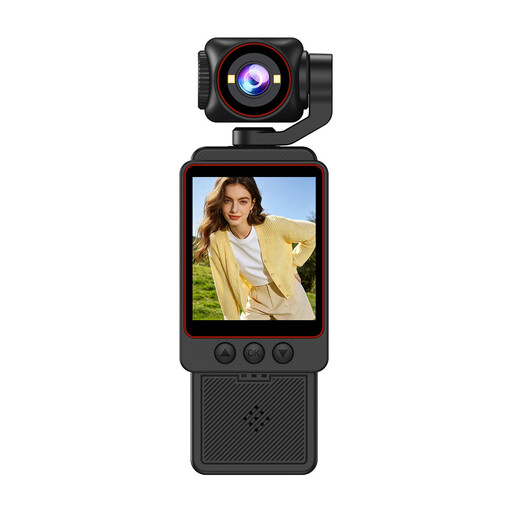
2K Pocket Vlogging Camera with 360° rotating lens
If you’re planning POV or vlogging footage as well as photos, the product title specifies video and photo recording. Check the focus range separately for close-up pine cone details.
The title specifies 2K video and a 360° rotating lens.
View at Joybuy
 No image available
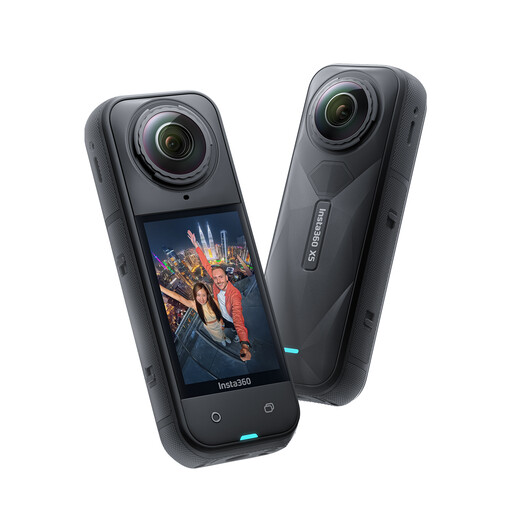
Insta360 X5 Waterproof 8K 360° Action Camera
If you also want to shoot 360° action footage on the coastal path, the product description identifies this as an action camera. Its suitability for close-ups of pine cones needs to be checked separately.
The specifications include 8K 360° video at 30 fps and waterproofing to 15 m without a housing. For use in salt water, they recommend rinsing with fresh water and drying thoroughly.
View at Joybuy
 No image available
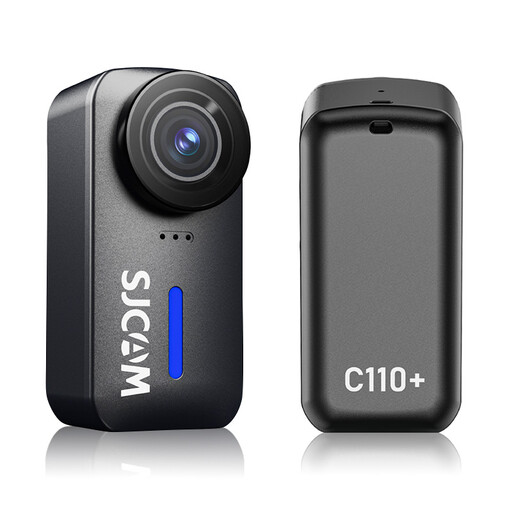
SJCAM C110+ 4K Action Camera
If you want to shoot action footage as well as photos, the title describes the C110+ as an action camera. Check the model’s focus range for close-ups of pine cones.
The specifications include photos up to 20 MP, a 170° wide-angle lens and waterproofing to 30 m with the housing. Check the housing’s seal before using it underwater.
View at Joybuy
 No image available
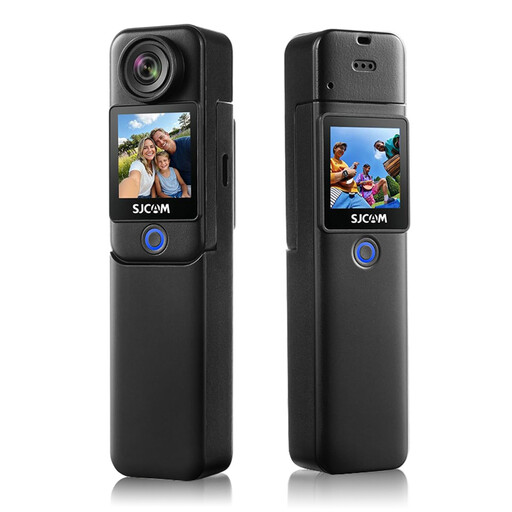
SJCAM C300 4K Action Camera
If you also want to shoot action footage while you’re out and about, the title describes the C300 as an action camera. Check the exact model’s focus range for pine cone details.
The specifications include photos up to 20 MP, a 154° wide-angle lens and 6-axis stabilisation. Waterproofing to 30 m applies with the housing; check its seal before using it underwater.
View at Joybuy
 No image available
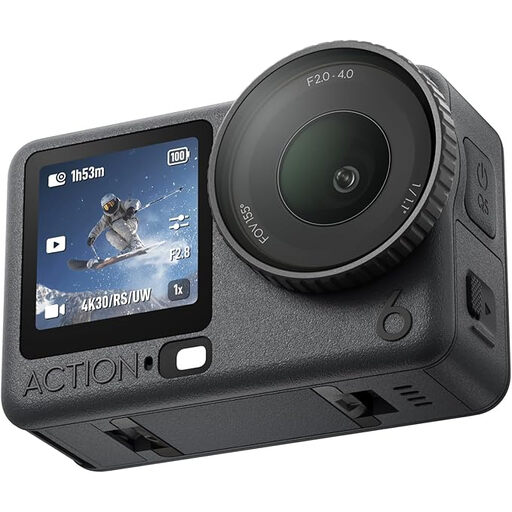
Osmo Action 6 Standard Combo
If you also want to shoot action footage on your walk, the title identifies the Osmo Action 6 as an action camera. Check the focus range separately for close-ups of pine cones.
The specifications include a 1/1,1″ sensor, variable aperture and 4K recording. Waterproofing to 20 m without a housing is also specified; for use in salt water, the guidance is to keep the ports closed, then rinse with fresh water and dry thoroughly.
View at Joybuy
Frequently asked questions
Is ‘1 cm macro’ enough to fill the frame with a pine cone?
No. The focusing distance alone doesn’t tell you how large the pine cone will appear in the image. Also check the zoom setting and, where specified, the magnification ratio. According to RICOH IMAGING, the PENTAX WG-8’s 1 cm mode works at the middle zoom setting.
How can I get the whole pine cone in focus, rather than just a narrow slice?
Close-ups have a shallow depth of field. You can adjust the lighting, aperture and shooting position. If your specific model supports it, focus bracketing may also be an option. Check that this feature is available on the exact camera model.
How should I prepare a camera for a coastal walk?
Check the batteries, memory card and seals against the instructions for your specific model. Don’t treat a weather-protected camera and an interchangeable lens without confirmed dust or splash protection as equally protected. Follow the manufacturer’s instructions for cleaning and storage.
Is a mirrorless camera kit automatically suitable for macro photography?
No. It depends on the lens included and how well it can focus at close range. Canon lists the EOS R50 kit with the RF-S 18-45mm as a kit, and shows the macro combination separately with the RF 35mm F1.8 MACRO IS STM. Check the included lens against the subject you want to photograph.
Can I photograph pine cones in a protected area?
There’s no single answer that applies to every coastal path. The Federal Agency for Nature Conservation describes nature reserves as areas designated by law. Check the local rules and signs for the specific protected area. Photographing pine cones is also a different matter from taking them away.


