
Lieferung heute & morgen

Qualitätsgarantie

Willkommens-Angebote freischalten: KOSTENLOSE Lieferung | Bis zu 80 % RABATT | Kostenlose 30-Tage-JoyPlus-Testphase
App herunterladen
Pine furniture exudes a natural warmth and cosiness, making it a popular choice for many homes. Its light tone and characteristic grain are a perfect match for modern farmhouse styles or minimalist Scandi interiors. However, not all furniture marketed as a pine wood product lives up to expectations for durability and quality.
Before you make a purchase, it's helpful to be aware of a few common pitfalls. Certain defects in craftsmanship or misleading product descriptions can mean the joy of your new furniture is short-lived.
To make an informed decision based on objective criteria, you should check three key aspects. These will help you realistically assess the quality of a piece of pine furniture.
The exact material description is crucial for the durability and value of a piece of furniture. Look for the following distinctions:
The treatment of the wood surface directly impacts its everyday usability and maintenance requirements.
A close look at the construction reveals a lot about its expected stability. A sturdy wooden coat rack, for example, must remain stable even when fully loaded. For a 90x200 pine children's bed, stability is a key safety factor. Pay attention to these features:
Based on the quality criteria mentioned, we have identified several products that offer a fitting solution for specific needs.
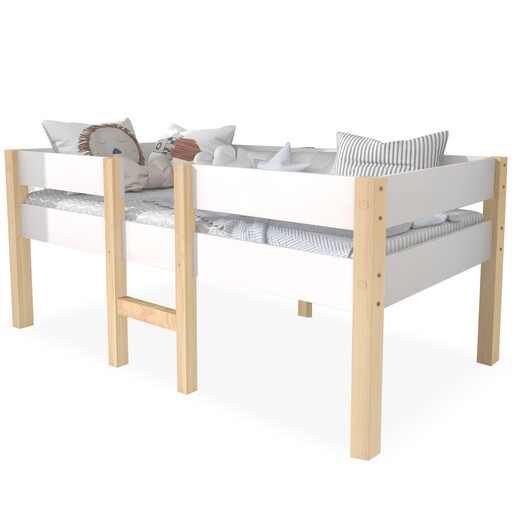
Why it's a match: It combines a modern, Scandinavian design with key safety features. Ideal for parents looking for a durable and visually appealing bed for their pine wood children's room.
The solid pine wood construction and sturdy corner posts bypass the trap of inferior materials and unstable designs. The lacquered surface is easy to clean and protects the wood.
The full-length guard rail provides safety, while the 44 cm high space under the bed creates practical storage for toys or storage boxes.
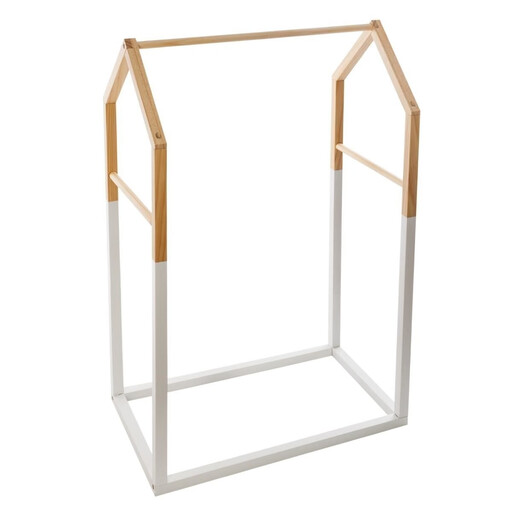
Why it's a match: This piece is a playful yet functional solution for pine wood storage. It encourages children to tidy up and makes efficient use of small spaces.
The simple yet stable A-frame construction made of pine wood ensures a secure footing, avoiding the problem of wobbly, unstable furniture. Assembly is straightforward.
The original house design adds a modern and adventurous touch to a child's room and provides an open, easily accessible wardrobe solution.
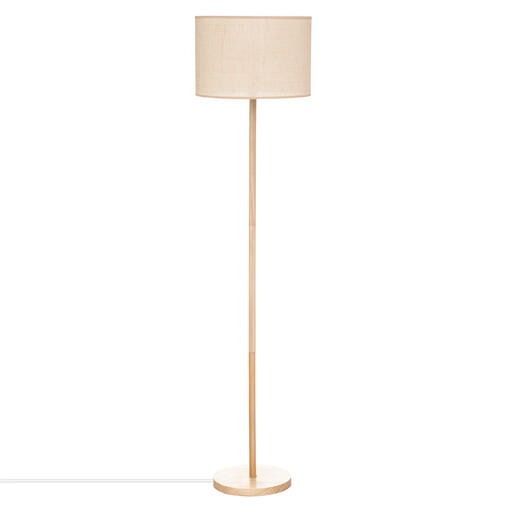
Why it's a match: This wooden floor lamp embodies the essence of Scandi pine furniture: minimalist design, natural materials, and a warm lighting atmosphere. A perfect pine home accessory.
The tripod construction made of pine wood offers proven stability. The design is focused on durability and a timeless aesthetic rather than following short-lived trends.
The combination of light pine wood and a lampshade made of woven rice straw creates an especially warm, diffused light and an inviting atmosphere.
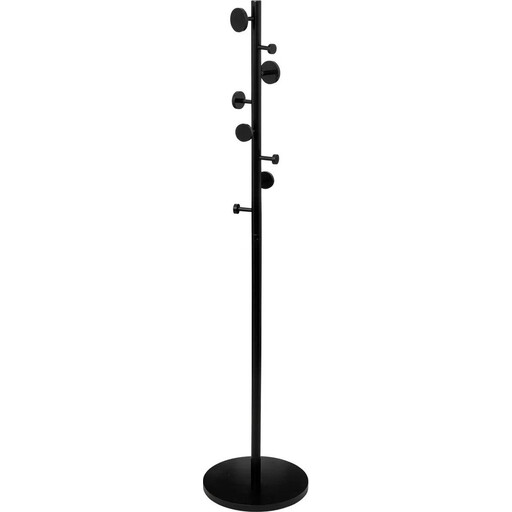
Why it's a match: A functional yet stylish coat rack that brings order to a hallway, bedroom, or office without taking up much space.
The pine structure, combined with a wide, round base and a specified maximum load capacity of 16 kg, directly addresses the pitfall of instability.
The 8 hooks are rounded to avoid damaging clothes and scarves when hanging them. The high load capacity allows for hanging several heavy jackets.
We have compiled a complete, up-to-date list of products that fully meet these strict selection criteria and European safety standards.
The right care depends on the surface finish. Lacquered furniture can be simply cleaned with a slightly damp cloth. Oiled or waxed surfaces should be protected from moisture and retreated with a suitable care oil or wax every one to two years, depending on use. Untreated wood is the most delicate and stains should be removed immediately.
Yes, as a natural material, pine wood is a great choice for a child's room. It's important to look for a stable construction to ensure safety during play. Additionally, the lacquers or oils used should be explicitly declared as suitable for children's furniture and non-toxic, which is typically the case for products sold on the EU market.
Yes, this is a natural process. Pine wood tends to darken over time with exposure to light, taking on a warmer, often golden-yellow hue. This process is a sign of real wood and gives the furniture a unique character over time. The speed of this change depends on the intensity of the light exposure.