Teams sharing a kitchen
When several people use the appliance, you’ll need a clear routine for cleaning all food-contact parts and the worktop after each use. The DGUV highlights hygiene risks in shared staff kitchens.


For a shared office, your choice should depend on whether quiet operation and smaller servings matter more than making several glasses quickly. A slow juicer may suit a quieter setting, while a centrifugal juicer may be a better fit for several servings, provided its noise level is acceptable where it will be used. With either type, you’ll need to peel and cut the pineapple into suitable pieces; a wide feed chute doesn’t remove the need to prepare it. You’ll also need to plan for cleaning after every use and agree on who’s responsible.
When several people use the appliance, you’ll need a clear routine for cleaning all food-contact parts and the worktop after each use. The DGUV highlights hygiene risks in shared staff kitchens.
If the kitchen is close to workstations, check the noise information for the specific model. Bosch describes the MESM731M as quiet, while Unold calls the Sam low-noise. These are manufacturer descriptions, not results from a like-for-like noise test.
When making several servings during a break, consider how easy it is to fill and empty the juicer, as well as the capacities of the juice and pulp containers. These figures aren’t the same as the actual amount of juice you’ll get from a pineapple.
A better fit if: quiet operation and smaller servings matter more than making juice especially quickly.
Consider: The pressing screw and, where applicable, the filter need cleaning, which can take time.
A better fit if: you want to make several glasses during a break and the noise is acceptable where you’ll be using it.
Consider: Check how to clean the filter, and distinguish between the juice container, pulp container and throughput specifications.
A better fit if: you’ll mainly be juicing oranges or lemons.
Consider: A press designed for citrus fruit isn’t a suitable choice on its own for juicing pineapple.
| Consideration | What to check before buying | Who it matters most to |
|---|---|---|
| Cleaning after shared use | Cleaning instructions for the filter or screw, pulp container and worktop; access to washing-up facilities. | If I want to leave the appliance clean after each serving, I need a simple routine that everyone has agreed on. Around 31% of consumers prioritise cleaning. |
| Noise near workstations | Where and when the juicer will be used, as well as noise information for the specific model rather than general descriptions of its type. | If the kitchen is next to quiet workspaces, I want to cause as little disruption as possible, even if that means making juice more slowly. Around 25% of consumers put quiet operation first. |
| Several servings during a break | Counter space, the stated capacities of the juice and pulp containers, and the preparation needed for the pineapple. | If I need to make several glasses during a break, I’ll consider how often I’ll need to refill the juicer or empty the pulp container. Around 25% of consumers prioritise speed for a group. |
| Yield and pineapple fibres | Preparation instructions and access for cleaning the filter or screw; if possible, compare results using the same amount of prepared pineapple. | If I want to get as much juice as possible from prepared pineapple, I’ll also factor in the pulp and cleaning involved. Around 19% of consumers put practical yield first. |
The width of the opening doesn’t tell you whether the peel should be juiced too. For its pineapple recipe, Hurom recommends removing the peel and core, then cutting the ingredients into bite-sized pieces.
Allow time to peel and cut the fruit, even with a model that has a wide feed chute, and check the instructions for the specific appliance.
Peeling, removing the core and, if necessary, cutting the fruit into smaller pieces are all part of preparing it for juicing.
These figures refer to different parts or processes. A large ingredient funnel doesn’t automatically mean the juice container is just as large, and by itself it tells you nothing about pineapple juice yield.
Only compare figures that refer to the same thing. To compare yield, use the same amount of prepared pineapple.
KLAMER describes model 90820 as a household appliance. Its ranking in a test doesn’t tell you whether that specific appliance is intended for the planned shared use at work.
Read the intended use for the model and check with the appropriate person at work about how it should be used and what safety arrangements are needed.
Philips describes the pre-clean function on the HR1856/70 as helping to remove fibres. It doesn’t replace a thorough clean of all food-contact parts and the shared worktop.
Check the full cleaning instructions and agree on who will clean the appliance and worktop after each serving.
The filter, pressing screw and worktop may need extra cleaning after use.
The MES4010 and MESM731M are different types of juicer, so compare them based on how you plan to use them.
The HR1856/70 centrifugal juicer may be worth considering if your team wants to compare pre-clean functions and container capacity.
The Sam 78275 slow juicer may suit smaller office kitchens if its serving size and usage guidelines meet your needs.
The H70ST is a slow juicer option for teams weighing up filtered juice and the difference between funnel and chamber capacity.
You can assess the ES 3570 centrifugal juicer by checking the space available, feed chute size and user instructions.
The Joybuy products below are slow juicers for prepared pineapple pieces. Compare the feed chute, cleaning requirements and ease of use for the portions you plan to make. A wide opening doesn’t mean you can skip peeling and cutting the fruit.
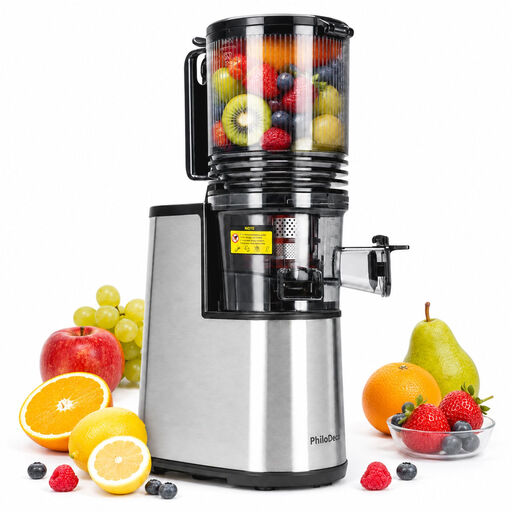 No image available
For teams looking for a slow juicer with a wide feed chute and separate juice and pulp containers.
The product title lists 110 mm, 40 Nm and a reverse anti-jam function. The description says the parts can be taken apart for hand-washing.
Peel and cut the pineapple into suitable pieces before juicing.
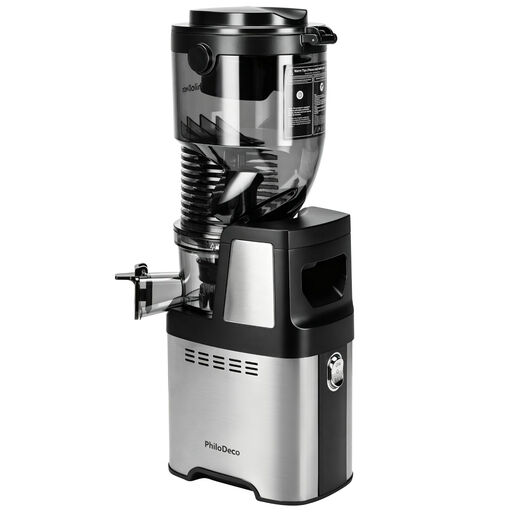 No image available
An option for teams who want to collect juice and pulp separately.
The title lists a 9.5-cm opening and a 250-W motor; separate outlets are also specified.
Peel and cut the pineapple into suitable pieces before juicing.
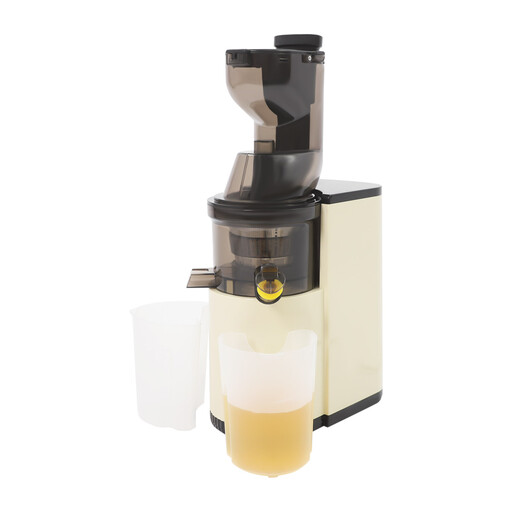 No image available
For anyone looking for a slow juicer with removable parts that can be rinsed clean.
The description lists 48 RPM, an 8-cm feed chute and a reverse mode. The title lists 500 ml and 800 W.
Peel and cut the pineapple into suitable pieces before juicing.
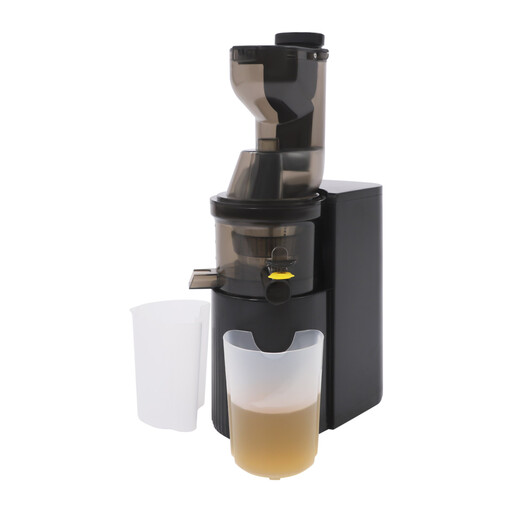 No image available
An option for anyone comparing slow juicers with removable parts and a fine filter.
The description lists 48 RPM, an 8-cm feed chute, a fine filter and a reverse mode. The title lists 500 ml and 800 W.
Peel and cut the pineapple into suitable pieces before juicing.
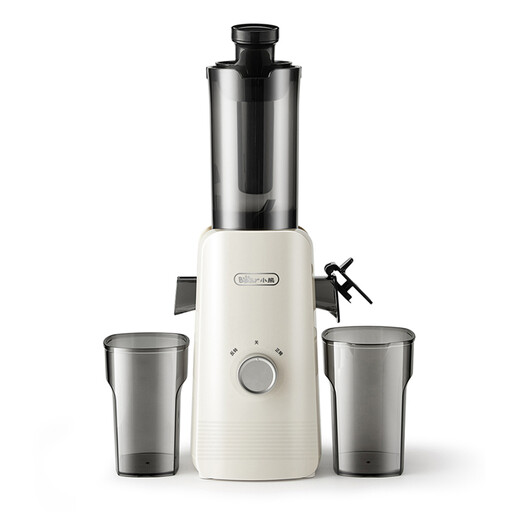 No image available
For teams looking to fit separate juice and pulp cups, and detachable parts, into their cleaning routine.
The title lists an 80-mm feed chute. The description lists three detachable components and a maximum operating time of 15 minutes per use.
Peel and cut the pineapple into suitable pieces before juicing, and observe the stated operating time.
Yes. Remove the peel and cut the flesh into pieces that fit through your juicer’s opening. Hurom also recommends removing the core for its pineapple recipe, but always follow the instructions for your specific juicer.
Agree on who will clean the food-contact parts and worktop, and dispose of the pulp, after every use. The DGUV highlights the importance of agreed hygiene rules for shared staff kitchens. Check the appliance instructions to see whether any parts are dishwasher-safe.
Don’t plan to store cut fruit unrefrigerated. The German Federal Institute for Risk Assessment recommends keeping pre-cut raw fruit chilled and eating it promptly. For people who are particularly vulnerable, it recommends freshly washed ingredients and preparing them shortly before eating, or avoiding fresh-cut products.
Before buying, check what’s available for the specific model, particularly filters, containers and repair information. Bosch has a service page for the MES4010/01 product variant with spare-parts and repair information; according to the product page, no repair service is available for the Severin ES 3570. You can’t draw a general conclusion about either brand from this.
Don’t assume there’s a blanket annual inspection requirement. Check what applies to your specific use with the appropriate person at work. If the juicer is used there as work equipment, the employer must take the risk assessment into account; the applicable requirements of the relevant accident insurance provider apply to electrical equipment. The German Ordinance on Industrial Safety and Health and DGUV Regulation 3 should be considered in the appropriate workplace context.