When you’re making several glasses, a jug blender with a permitted fill level suited to the quantity you plan to prepare is usually the more practical choice. For single servings and limited storage space, a compact smoothie maker may be enough. If you plan to add frozen pineapple or ice, check that the specific model is approved for these ingredients. Jug size, cleaning and the space it takes up are often more useful considerations than wattage alone. The features mentioned are based on manufacturers’ specifications, not comparative tests of pineapple blending.
Which blender suits you?
Hosts serving several glasses
If you want to make shakes for several friends, compare the quantity you plan to blend in each batch with the permitted fill level and how easy the jug is to pour from. Jug blenders come in different sizes from compact personal blender cups.
Fans of ice-cold pineapple shakes
If you plan to add frozen fruit or ice, check that the specific model is approved for these ingredients. A high wattage alone doesn’t prove that a blender is suitable for them.
Occasional users with limited space
If you only make the odd shake for yourself, storage space and ease of cleaning may matter more than making large batches. However, a small blending cup could mean several rounds of blending when guests come over.
What to consider when buying
Jug blender
A good fit if: you’re making several glasses and want to check your planned quantity against the permitted fill line.
Things to weigh up: the jug and motor base need worktop and storage space; cleaning and usable capacity vary by model.
Compact smoothie maker
A good fit if: you usually make a single glass and have limited worktop space.
Things to weigh up: a small blending cup may mean several batches for guests. Check separately whether the model is approved for ice and frozen pineapple.
| Priority |
What to check when buying |
Who is this important to? |
| Serving guests |
Planned drink quantity per batch, permitted fill line and ease of pouring. |
If I’m hosting several friends, I want to plan as few batches as possible. Around 36 % of consumers say capacity is their main concern. |
| Frozen ingredients |
Whether the blender is approved for frozen fruit or ice, and the loading instructions in the manual. |
If I want my shake to contain frozen pineapple or ice, I want to check that the specific model has the right capabilities. Around 29 % of consumers put ingredient processing first. |
| Cleaning |
Which parts the manual says are dishwasher-safe and whether the blade can be removed. |
If I want to spend less time cleaning up after serving, I check the care instructions for each part. Cleaning is a priority for around 21 % of consumers. |
| Space and features |
Worktop and storage dimensions, cup size and the features you actually need. |
If I only use the blender occasionally, I don’t want to set aside more worktop space than necessary. Around 14 % of consumers prioritise the space it takes up and having the right features. |
Common misconceptions
-
Assuming the jug’s capacity is the same as its usable shake capacity
Bosch lists a capacity of 2.5 litres in the promotional text for the Bosch VitaBoost MMBH6P6BDE, but 2.0 litres in the technical specifications. Neither figure alone tells you the permitted fill level for a frothy shake.
Check the fill line and the manual for the specific model before deciding how much to make.
-
Assuming a blender can handle ice because of its wattage or the word ‘smoothie’
Specifications list ice crushing or crushed ice programmes separately. The word ‘smoothie’ alone doesn’t confirm that the blender is approved for ice or frozen pineapple.
Check the manual for the model you’re considering to make sure it’s explicitly approved for the ingredients you plan to use.
-
Assuming a cleaning programme means the parts are dishwasher-safe
Manufacturers distinguish between cleaning functions and dishwasher-safe parts. Approval for individual parts doesn’t automatically apply to the whole appliance.
Follow the manual for each removable part, and clean the motor base only as instructed.
Brands to consider
Bosch
Bosch offers jug blenders such as the VitaBoost MMBH6P6BDE, which may be worth considering when planning larger quantities.
- Bosch lists six programmes for the VitaBoost.
- The capacity information for the MMBH6P6BDE varies across product details, so check the permitted fill level in the manual.
Philips
The 5000 Series HR3030/00 is a jug blender for making several servings.
- Philips lists a 2-litre glass jug and an ice-crushing function.
- The dishwasher-safe parts information applies only to the parts specifically approved, not automatically to the motor base or other models.
WMF
The WMF range includes both a jug blender and a compact blending cup that doubles as a drinks bottle.
- WMF lists smoothie and crushed ice programmes for the Kult Pro, as well as a removable blade.
- The 0.6-litre cup on the Kult X Mix & Go may mean several batches are needed for multiple guests.
Braun
Braun’s PowerBlend 3 series includes models such as the JB 3150 and JB 3272 SI.
- Braun lists an 800-watt motor for these models.
- Check the specifications for the specific model; wattage alone doesn’t indicate that it will give you a better result with pineapple.
Blenders at Joybuy
These Joybuy models are jug blenders for making several servings. Their listed capacities and features can help you compare the quantity and ingredients you need for your planned shake.
 No image available
3-in-1 multifunction blender, 800 W, 1,500 ml blending jug
The listed jug capacity gives you a size to work with when planning several servings.
The product name also lists a 600 ml travel cup and a 300 ml chopper. An ice-crushing function is also listed; check the model instructions before using frozen ingredients.
Joybuy
 No image available
ochama multifunction blender, 600 W, 1.5 l
The listed 1.5-litre jug gives you a starting point for working out how much you’ll need to make several glasses.
The product name lists three speed settings and an ice-crushing function. Check the manual for the ingredients it can handle and the permitted fill level.
Joybuy
 No image available
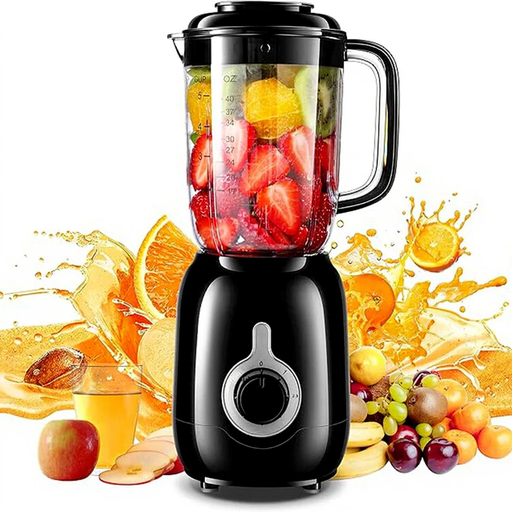
Bear LLJ-B12K1, table blender with 1.2-litre jug
The listed 1.2-litre jug can help you compare its capacity with the quantity of shake you plan to make.
The product name lists 500 W, two speed settings and a pulse function. Check the instructions for the specific model to confirm the permitted fill level.
Joybuy
 No image available
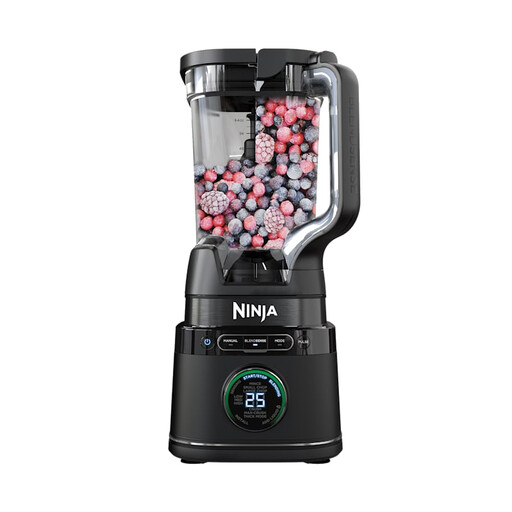
Ninja Professional Blender, 1,000 W, 2.1-litre jug
The jug is listed as holding 2.1 litres, which may be useful when planning several servings.
The maximum liquid capacity is listed as 1.9 litres. Don’t exceed the MAX line. The product name also lists three speed settings and a pulse function.
Joybuy
 No image available
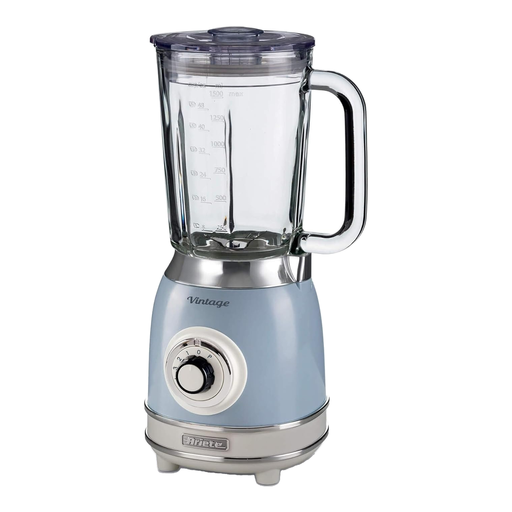
Ariete Vintage 583 glass blender, 1.5 l
The listed 1.5-litre glass jug gives you a capacity to work with when planning several servings.
The product name lists an ice-crushing function, four speed settings and a pulse function. Check the manual for guidance on the ingredients you plan to use.
Joybuy
Frequently asked questions
How should I prepare fresh pineapple for a shake?
Remove the crown, base and skin, quarter the pineapple and cut out the tough core. The Federal Centre for Nutrition recommends cutting the flesh into smaller pieces afterwards; the size will depend on the blender’s instructions.
Can the jug and blade go in the dishwasher?
Only if the manual for the exact model says they can. Philips lists dishwasher-safe parts for the HR3030/00; this doesn’t mean the motor base or other models are approved for dishwasher cleaning.
What are my rights if a blender is faulty or I change my mind about an online purchase in Germany?
Your statutory rights against the seller are separate from any voluntary guarantee. According to the consumer advice centre, online purchases in Germany generally come with a 14-day right to cancel from the date you receive the goods; you must notify the seller that you wish to cancel.
What regulations apply to blenders in Germany?
Materials that come into contact with food must comply with Regulation (EC) No 1935/2004 when placed on the EU market, as explained by the European Commission. According to Your Europe, CE marking is required for products covered by relevant harmonised EU rules, including certain electrical and electronic equipment. The CE mark is not an independent comparative test and does not replace checking the information for the specific appliance.


