What should you look for when choosing?
First, decide whether you want to make a larger batch together or prepare individual portions at different times. Then check the texture and cleaning requirements of the specific model.
Jug blender with a large capacity
A good fit if: you want to make several smoothies during the same kitchen time slot and serve them straight away.
Consider: a larger jug needs space and must be cleaned after everyone has used it.
Compact blend-and-go cup
A good fit if: housemates make individual portions at different times or take them with them.
Consider: the container size limits how much you can blend at a time.
Texture or cleaning programmes
A good fit if: selectable consistencies or a cleaning programme would suit your kitchen routine.
Consider: programmes don’t replace cleaning the blender as instructed or a real-world test using pineapple.
| What matters |
What to check before buying |
Who it matters most to |
| Several portions |
Usable container capacity for the total amount you plan to make; space for the blender and room to remove the jug. |
If we want to blend several glasses at once, the jug needs to hold the total amount without taking up more kitchen space than necessary. Around 33% of consumers prioritise making several portions during the same time slot. |
| Pineapple texture |
Clear test results using fibrous ingredients; if using frozen pineapple or ice, check that the specific model is approved for those ingredients. |
If you want to feel as few fruit fibres as possible, look for results using comparable ingredients and don’t treat the manufacturer’s claims as equivalent to a pineapple test. Around 25% of consumers prioritise their preferred texture. |
| Cleaning between uses |
Instructions for the jug, lid, seals and blades; check which parts are removable or dishwasher-safe. |
If the kitchen needs to be ready for the next person soon after blending, how easy it is to clean each part matters. Around 25% of consumers prioritise quick cleaning. |
| Individual portions at different times |
Number and capacity of drinking cups, lid and cleaning instructions. |
If you blend at a different time from your housemates, you may find your own drinking cup useful and avoid decanting. Around 17% of consumers prefer individual portions made at different times. |
Blenders for sharing smoothies and making individual portions
This selection includes jug blenders for larger batches to share, as well as compact blend-and-go options for individual portions.
 No image available
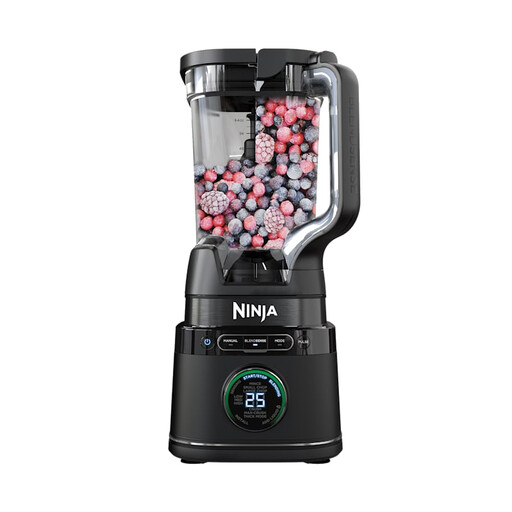
Ninja Professional Blender, 1000 W, 2.1-litre jug
The jug is designed for making smoothie batches to share; check your planned quantity and the space available for the blender.
1000 W; 2.1-litre jug; 3 speed settings and a pulse function. According to the product information, do not run continuously for more than 1 minute.
Joybuy
 No image available
3-in-1 Multifunction Blender, 800 W
The combination of a blending jug and drinking bottle could be useful for making a batch to share and a separate portion.
1500 ml blending jug, 600 ml drinking bottle and 300 ml chopper; six stainless steel blades; labelled as dishwasher-safe.
Joybuy
 No image available
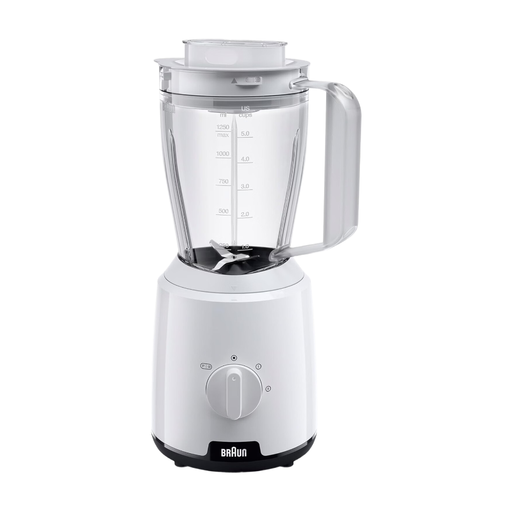
Braun PowerBlend 1 JB1000WH
The 1.5-litre blending jug could be a good option for making smoothies during the same kitchen time slot.
600 W; ice-crush function; two speed settings. According to the product information, do not run continuously for more than 2 minutes.
Joybuy
 No image available
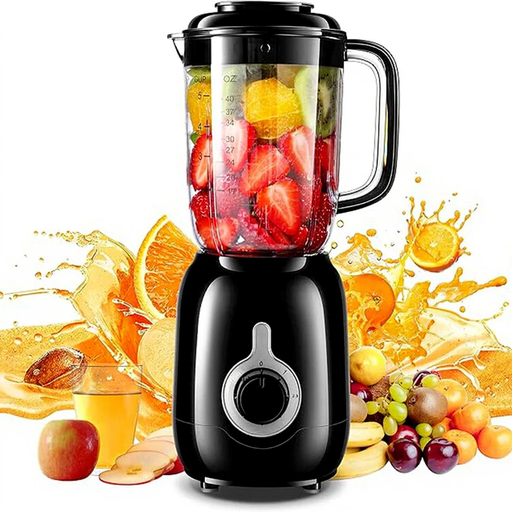
Bear Table Blender LLJ-B12K1, 1.2 litres
The jug is designed for making smoothies during the same kitchen time slot; bear in mind the minimum amount of liquid required.
500 W; two speed settings and a pulse function; four stainless steel blades. According to the product information, add at least 300 ml of liquid before use.
Joybuy
 No image available
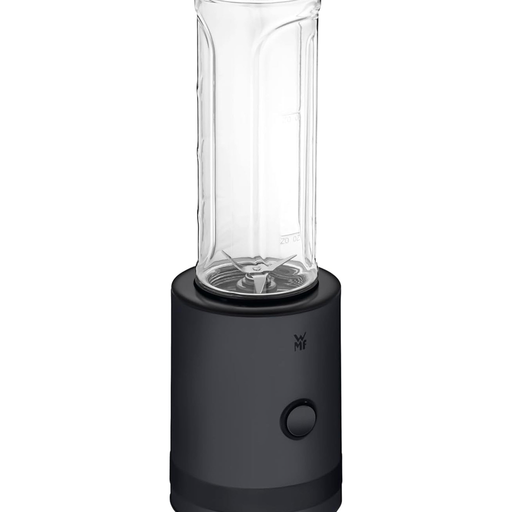
WMF Küchenminis Smoothie-to-Go Mini Blender, 0.6 litres
Two blending and drinking containers offer an option for individual portions at different times.
0.6 litres; two containers; 300 W.
Joybuy
Frequently asked questions
How do I get the blender ready for the next person using the kitchen?
Clean all the parts that have come into contact with the smoothie according to the instructions for your specific appliance. Check the guidance for the jug, lid, seals and blades individually. A cleaning programme doesn’t mean that every part is dishwasher-safe; Braun specifically excludes the jug from this claim for the JB 9040 Black.
Can I blend frozen pineapple or ice in any smoothie maker?
No. Don’t assume so based on wattage or the type of appliance alone. Philips specifically lists frozen fruit and ice cubes for the HR2767/00. For other models, check the instructions and confirm that the specific appliance is suitable for those ingredients.
Can I make smoothies ahead of time and leave them out?
If you’re not drinking a portion straight away, cover it and store it in a cool place rather than assuming a sealable cup will keep it safe. Verbraucherzentrale recommends generally keeping opened foods chilled and consuming them promptly. This doesn’t establish a standard time limit for every homemade smoothie.
What rules apply when buying an electric blender in Germany?
Electric blenders must meet the relevant EU product requirements, including the required CE marking. EU requirements for food-contact materials also apply to parts that come into contact with food. The European Commission outlines the framework for food-contact materials, while the European Union’s Your Europe website explains that CE marking is the manufacturer’s declaration that the product meets the relevant requirements. It isn’t independent proof that a blender makes particularly smooth smoothies.
Who should I contact if my blender is faulty?
Your statutory consumer rights apply against the seller and are separate from any voluntary guarantee. If there’s a fault, you should first ask the seller to put it right by repairing or replacing the product. Verbraucherzentrale explains that the seller covers the costs of transport, labour and materials. What other rights you may have depends on the purchase and the fault.


