
Lieferung heute & morgen

Qualitätsgarantie

Willkommens-Angebote freischalten: KOSTENLOSE Lieferung | Bis zu 80 % RABATT | Kostenlose 30-Tage-JoyPlus-Testphase
App herunterladen
The colour pink in skincare is more than just a trend—it's often associated with soothing, brightening, or regenerating properties. From pink clay to rose extract, the selection of products is vast. However, not every pink face mask delivers on the promise of its appealing look. Before you make a decision, it's crucial to know the common pitfalls and understand which parameters truly matter.
This guide will help you distinguish marketing hype from actual effectiveness and find a mask that is precisely tailored to your skin's needs.
The appealing colour and tempting product descriptions can easily lead to a poor purchase decision. Pay special attention to these two points:
To find the right mask, you should focus on objective criteria. The following three parameters are crucial for a product's effectiveness and suitability.
The type of mask determines the application method and its primary effect.
The ingredients list (INCI) is the key to evaluating a mask. Look for proven active ingredients that match your skin goals:
Clearly define your goal. Are you looking for a mask for a weekly pampering ritual, as is common in K-Beauty, or do you need a functional solution for a specific problem like sun protection? The distinction is essential for selecting the right product and avoiding disappointment.
Based on the criteria above, we have curated a selection of products for various needs and user profiles.
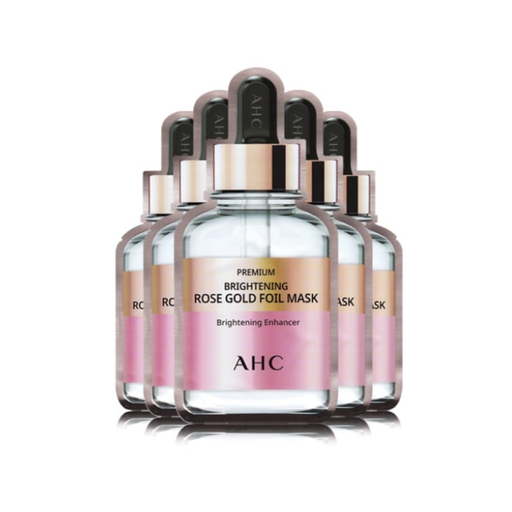
Why This Fits Their Persona: Ideal for users who appreciate innovative K-Beauty technologies. The mask uses a three-layer technology with an outer foil sheet that creates a gentle warming effect to open pores and maximise the absorption of active ingredients.
The effect isn't based on colour, but on the functional foil technology and an essence packed with proven ingredients like Niacinamide, Hyaluronic Acid, and Adenosine.
The foil's "steam effect" locks in the active ingredients and enhances their absorption. The formula combines brightening, hydrating, and anti-ageing care.
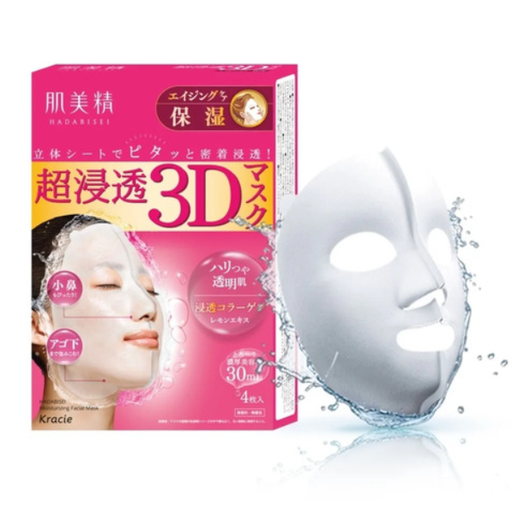
Why This Fits Their Persona: Suitable for mature or dry skin seeking an intense hydrating treatment with anti-ageing components. The formula contains hydrolyzed collagen and royal jelly extract to support skin elasticity.
Instead of promising unrealistic instant effects, the mask focuses on a rich, nourishing essence that aims for long-term improvement in skin moisture and suppleness.
The unique 3D mask design hugs the contours of the face, including the nose area, ensuring optimal and even delivery of the active ingredients.
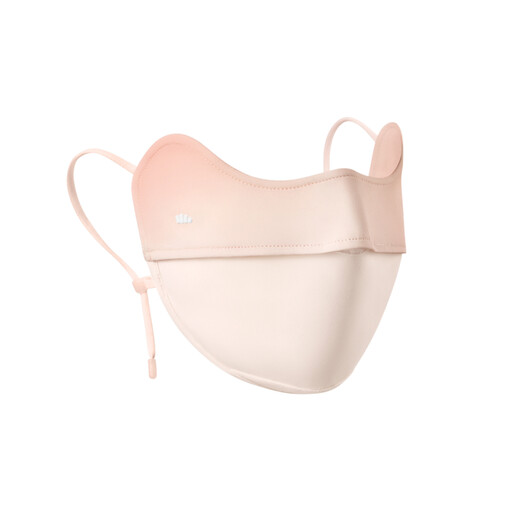
Why This Fits Their Persona: A functional solution for anyone who spends a lot of time outdoors and needs reliable, reusable UV protection for their face. Ideal for sports, gardening, or long walks.
This product clears up any confusion: it is not a cosmetic treatment mask, but a textile face sun protection mask. Its function is physical protection, not skincare.
Offers high, wash-resistant UPF 50+ protection. The ergonomic 3D design and breathable zones ensure high comfort even during extended use.
We have compiled a complete, real-time list of products that fully satisfy these strict selection criteria and UK safety regulations.
1. How often should you use a pink face mask? The frequency of use depends on the mask type and your skin condition. A Pink Clay Mask is typically recommended 1-2 times per week to avoid drying out the skin. A hydrating Pink Sheet Mask can be used 2-3 times a week or even more often, as needed, especially for dry skin. Always follow the manufacturer's instructions.
2. Are pink clay masks suitable for sensitive skin? Pink clay is generally considered one of the mildest types of clay, making it a good option for sensitive skin. It cleanses more gently than green or black clay, for example. Nevertheless, if you have sensitive skin, you should perform a patch test (e.g., on the inside of your elbow) before the first full-face application. Look for formulations that also contain soothing ingredients like Calamine, Allantoin, or Panthenol.
3. What is the difference between a cosmetic face mask and a sun protection mask for the face? The difference is fundamental. A cosmetic face mask (e.g., a sheet or clay mask) is a skincare product designed to deliver active ingredients into the skin to hydrate, cleanse, or nourish it. In contrast, a face sun protection mask is a textile product that acts as a physical barrier to shield the skin from UV radiation. Its effectiveness is determined not by cosmetic ingredients, but by the fabric's UPF (Ultraviolet Protection Factor).