
Lieferung heute & morgen

Qualitätsgarantie

Willkommens-Angebote freischalten: KOSTENLOSE Lieferung | Bis zu 80 % RABATT | Kostenlose 30-Tage-JoyPlus-Testphase
App herunterladen
A pink face mask can fulfil very different purposes depending on its formulation. It may add moisture, absorb excess sebum, provide the skin with nourishing active ingredients or serve as a quick step in your morning routine. However, the pink colour alone says little about whether it is actually suitable for you.
If you focus only on terms such as “glow”, “lifting” or “Botox effect” when shopping, you may overlook important details. Your skin type, the type of mask, the application time and the complete ingredient list are all key considerations.
Pink can come from clay, colour pigments, fruit extracts or the packaging. A pink clay mask has different properties from a pink sheet mask or gel mask. The colour is therefore not a reliable indicator of hydration, pore care or anti-ageing benefits.
A peel-off mask should be used fully in accordance with the manufacturer’s instructions and peeled off carefully. With clay masks, it is generally not advisable to wait until the surface has dried out significantly. This can feel uncomfortable and may make skincare more difficult for dry or sensitive skin.
PDRN, collagen, niacinamide, hyaluronic acid and vitamin A derivatives are often prominently advertised. However, simply mentioning them does not guarantee that a product will suit everyone. Fragrances, alcohol, essential ingredients and acids may be relevant for some people. With a face mask for sensitive skin, the INCI list should therefore be checked particularly carefully.
A face mask for radiant skin may contain ingredients such as niacinamide, vitamin C derivatives or botanical extracts. With a collagen face mask, remember that “contains collagen” is initially only a statement about the formulation. It is not a medical or therapeutic claim.
If you are looking for an anti-ageing face mask, you should also pay attention to the specific formulation. According to the product information, the KOSE Clear Turn Princess Veil Anti-Aging Mask contains vitamin A and vitamin C derivatives, vitamin E, squalane and hyaluronic acid, among other ingredients. For sensitive skin, combinations such as these may make it advisable to carry out a compatibility test beforehand.
A single sachet is practical for trying out a product. Multi-packs are suitable for regular use, but once opened they must be stored hygienically and kept sealed. With tubs and larger packs, it is also important to consider how much product is needed per application. The weight or volume in grams or millilitres is therefore more informative than the size of the packaging.
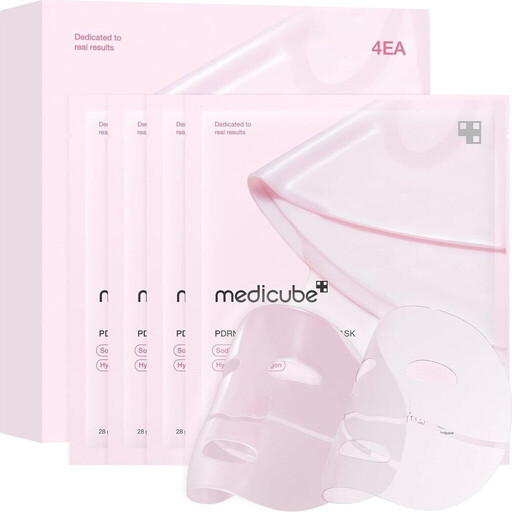
Why this product suits this profile: The individual portions make controlled application easier when fit and comfort matter more than a large tub.
The hydrogel format is not used like a drying clay or peel-off mask, and the application time is set at 30–40 minutes.
According to the product information, the INCI list includes PDRN, hydrolysed collagen, niacinamide and ceramide NP.
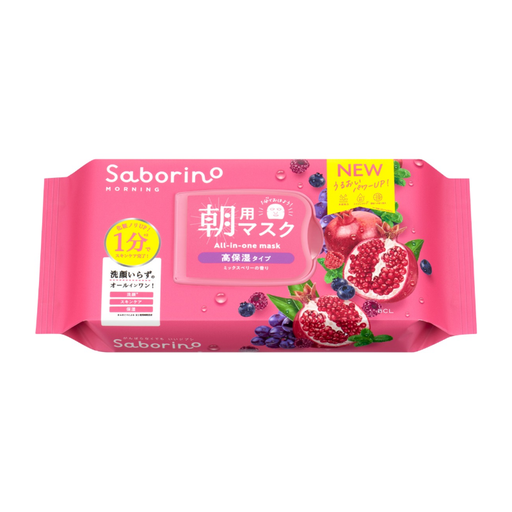
Why this product suits this profile: The pack of 30 sheet masks is designed for frequent users who prefer a quick, combined skincare routine in the morning.
The recommended application time is around one minute. The resealable container must be closed tightly after each use.
According to the product information, the formulation contains glycerine, hyaluronic acid, squalane, apple and fruit extracts, among other ingredients.
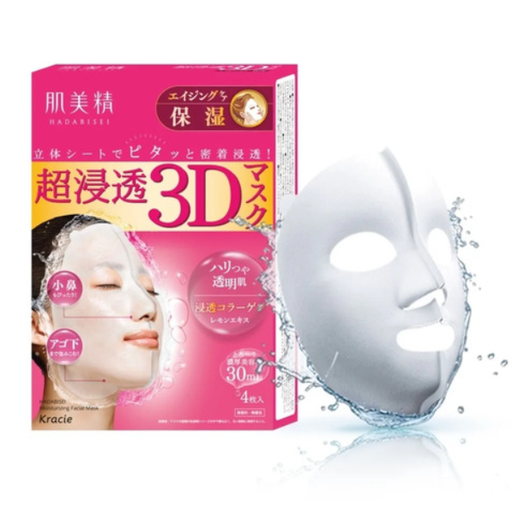
Why this product suits this profile: The 3D shape is designed to fit more closely to the face and is suitable for a targeted hydrating routine once or twice a week.
The pack contains four individually wrapped masks. This makes it easy to plan applications without having to store a large opened container.
According to the product information, the sheet mask contains sodium hyaluronate, hydrolysed collagen, royal jelly and vitamin E.
We have put together a complete, regularly updated list of products that fully meet these strict selection criteria and the safety regulations applicable in the EU.
Before using a product for the first time, it is advisable to carry out a patch test on a small area of skin. Products containing fragrance, salicylic acid, alcohol, retinoid or plant extracts should be used with particular caution on sensitive skin. If you experience burning, itching, redness or swelling, stop using the product. Masks should not be applied to damaged or severely irritated skin.
For dry skin, sheet masks, hydrogel masks and rich hydrating masks are generally suitable options. Glycerine, hyaluronic acid, panthenol, squalane and ceramides are typical ingredients. Clay should not be left on for too long, as it can otherwise intensify feelings of dryness.
This depends on the type of product. Sheet masks are often used once or several times a week, while peel-off or clay masks are generally best used less frequently. Always follow the instructions on the packaging and pay attention to how your own skin reacts.
Individual sheet masks should be used immediately after opening. For tubs and multi-packs, follow the PAO symbol on the packaging and keep the container clean and tightly closed. If the smell, colour or consistency changes, stop using the product.