
Lieferung heute & morgen

Qualitätsgarantie

Willkommens-Angebote freischalten: KOSTENLOSE Lieferung | Bis zu 80 % RABATT | Kostenlose 30-Tage-JoyPlus-Testphase
App herunterladen
A pink lip gloss can make your lips look fresher, add a subtle touch of colour to your everyday look or give lipstick a glossy top coat. But choosing one can be tricky: lip tints, lip glazes and classic glosses vary in colour payoff, texture and staying power.
Glossy lip glosses often contain film-forming or oil-based ingredients. These can create a reflective finish, but depending on the formula, the product may feel sticky. If you’re looking for non-sticky lip gloss, don’t just look for terms such as “High Shine” or “Glass Effect”. Check the details about the texture and applicator too.
“Pink”, “Rose” and “Peach Pink” don’t always describe the same shade. A sheer pink lip gloss lets your natural lip colour show through, while a more highly pigmented product makes a more noticeable difference to your lip colour. Product images can also look different depending on the lighting and your screen.
A moisturising lip gloss may contain ingredients such as glycerin, oils, vitamin E or Sodium Hyaluronate. These are straightforward product features, but they don’t mean the product has a medical effect. If you have sensitive lips, also check for fragrances and known allergens. For example, Paul & Joe’s Lip Glaze contains honey and, according to the product information, isn’t suitable for anyone with a honey allergy.
A lightweight texture that spreads evenly is handy for everyday wear. Classic gloss focuses on shine, while a lip tint combines shine with a subtle wash of colour that remains on the lips. A lip glaze usually has a slightly more gel-like texture and can create a more coated look.
Look out for the following details:
Oils such as jojoba, macadamia or apricot kernel oil can make a formula feel smooth. Vitamin E and panthenol are included in several of the products mentioned here. When choosing a lip gloss with hyaluronic acid, look for the specific INCI name “Sodium Hyaluronate” or “Hyaluronic Acid”.
If you prefer vegan lip gloss, check the manufacturer’s information for the specific product. Vegan and cruelty-free are also different claims: a vegan formula refers to the ingredients, while a cruelty-free claim relates to the product or brand’s policy on animal testing.
A precise applicator makes it easier to apply thin layers and touch up on the go. A wide or spatula-shaped applicator picks up more product and is suited to applying an even, noticeably glossy layer. Also check:
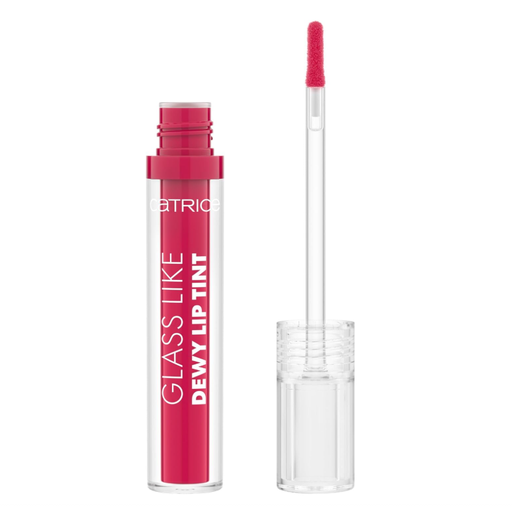
Why it suits this profile: This lip tint pairs a sheer, dewy-looking shine with a subtle pink tint. According to the product information, the formula contains ingredients including jojoba oil, apricot kernel oil, vitamin E and Sodium Hyaluronate.
The description mentions a lightweight, non-sticky texture and a tint that remains on the lips. So it’s not just about adding a temporary layer of shine.
3 ml, glossy finish, a vegan formula according to the product information, and several skincare ingredients.
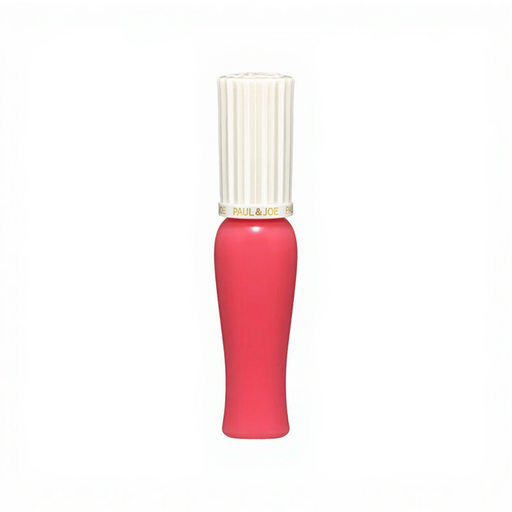
Why it suits this profile: The milky rose-pink shade, spatula-shaped applicator and gel-like texture are ideal for anyone who prefers a visibly coated, glossy look for special occasions.
The product description clearly explains the milky, slightly sheer colour and the special applicator. It also flags honey as a potentially relevant ingredient.
10 g, glossy finish, Sodium Hyaluronate and orange honey according to the ingredient and product information.
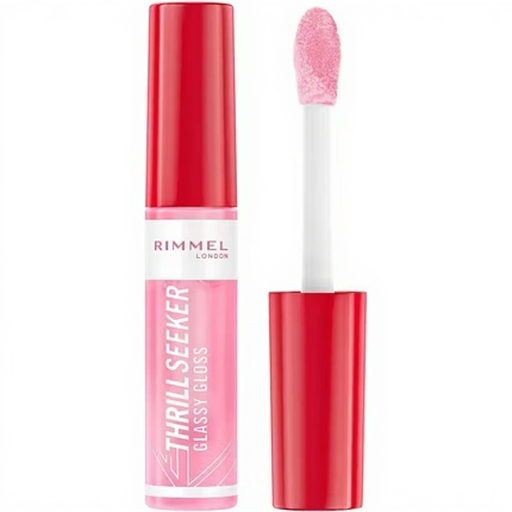
Why it suits this profile: This gloss is designed for frequent touch-ups on the go. According to the product information, it contains hyaluronic acid and features a cushioned applicator and non-sticky texture.
The product information describes both the feel and the cushioned applicator. This makes it easier to apply an even layer and means you’re less reliant on repeated touch-ups.
Pink Candy shade, hyaluronic acid according to the product information, and a stated weight of 30 g.
We’ve put together a complete, regularly updated list of products that meet these strict selection criteria and fully comply with the safety regulations in force in the EU.
For an even finish, start with clean, dry lips. Apply a thin layer to the centre of your lips, then spread it towards the corners of your mouth. A second layer will usually add more shine and may make the colour more noticeable. If you’re applying gloss over lipstick as a top coat, dab it on rather than sweeping it across, to avoid disturbing the colour underneath.
If you experience burning, redness or any other irritation, remove the product and stop using it. Cosmetics are for external use only and should not come into contact with your eyes.
Sheer or lightly pigmented shades with a lightweight texture are a good choice for everyday wear. A lip tint can leave a subtle touch of colour, while a classic gloss mainly adds shine. The right option depends on your personal preference, the coverage you want and the applicator that suits you.
How long it lasts depends on the formula, how much you apply, eating and drinking, and how much your lips move. Shine may fade before the tint underneath. According to its product description, a lip tint such as Catrice Glass Like Dewy Lip Tint is designed to leave a hint of colour that can still be visible after the shine has faded. Check the packaging symbol for how long the product can be used after opening.
No. Hyaluronic acid, or Sodium Hyaluronate, is an ingredient often used in moisturising formulas. However, how comfortable a product feels depends on the formula as a whole, your individual tolerance and how you apply it. Always refer to the product information and the full ingredients list on the packaging.