
Lieferung heute & morgen

Qualitätsgarantie

Willkommens-Angebote freischalten: KOSTENLOSE Lieferung | Bis zu 80 % RABATT | Kostenlose 30-Tage-JoyPlus-Testphase
App herunterladen
A pink lip gloss can add colour and shine to your lips, while helping them look cared for. However, products can vary considerably in coverage, staying power, feel and finish. If you choose based only on a shade name such as ‘Pink’ or ‘Rose’, the result may not be what you expect: the colour can look different on your lips than it does in the packaging, the texture may feel sticky or the shine may fade quickly.
This buying guide explains which details really matter when choosing pink lip gloss, lip tints and other glossy lip products in Germany.
‘Pink’, ‘Rose’, ‘Rosy Coral’ and ‘Dusty Rose’ don’t describe standardised shades. A cool pink can look quite pronounced on light-coloured lips, while a sheer rose shade may leave only a subtle hint of colour. Your natural lip colour also affects the result.
Sheer or lightly pigmented formulas are usually a good choice for a subtle everyday look. If you’re after more coverage, look for terms such as medium to full coverage, ‘buildable’ or ‘layering’.
A lip gloss with a glossy finish reflects light, but that doesn’t automatically mean it will last a long time on your lips. Oil-based or very fluid textures can wear off more quickly when you eat or drink. A lip tint, on the other hand, often leaves a layer of colour, while the shine gradually fades.
Terms such as ‘moisturising lip gloss’ refer to cosmetic formulation features. They’re no substitute for a lip balm and don’t indicate a medical effect.
How a product feels depends on the amount you apply, its texture and your individual sensitivity. A thick gloss may look shinier, but feel heavier on your lips. Water-based tints are often lighter, but may feel less comfortable on dry or chapped lips.
First, decide which look you prefer:
A pink lip tint can usually be blended from the centre of your lips outwards to create a subtle gradient. For an even, more intense colour, apply a second layer once the first has dried slightly.
A glossy finish can make your lips look fuller by reflecting light. This is a visual make-up effect, not a lasting change to the volume of your lips. If you’re looking for a lip gloss for fuller-looking lips, look for terms such as ‘glossy’, ‘glass-like’, ‘plumping look’ or ‘high shine’.
Products containing hyaluronic acid, oils or butters can feel different on the lips. For lip gloss with hyaluronic acid, the full ingredients list on the packaging is also important. Sodium Hyaluronate, for example, is used in some product formulas, but its presence alone doesn’t tell you whether a product will suit you.
Before you buy, check:
If you have sensitive lips, start with a cautious application. Stop using the product if you experience redness, burning or any other reaction.
The selection below groups pink and rose-coloured products by their colour, texture and intended use. The details are based on the respective product descriptions and listed ingredients.
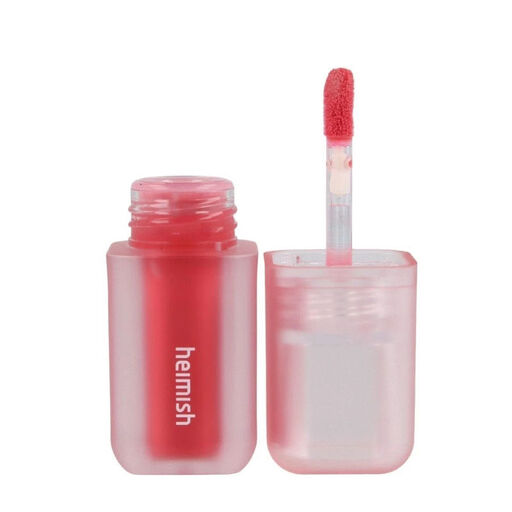
Why it suits this profile: The sheer coral-pink shade is ideal for everyday looks and can be worn alone or over lipstick.
The light, non-sticky texture helps avoid a heavy feel. Apply a second layer for more colour.
4 g of product, a glossy finish and versatile use as a gloss or topper.
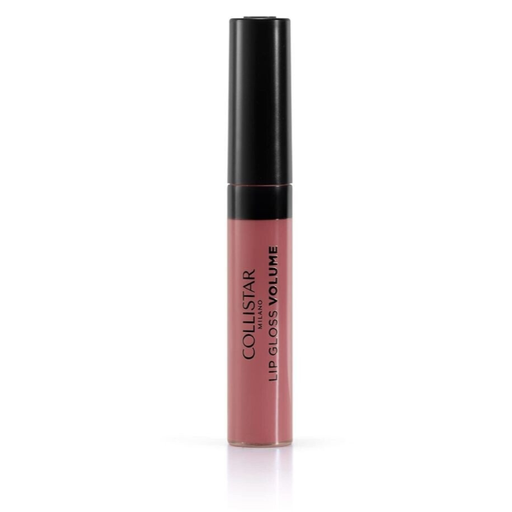
Why it suits this profile: The muted rose shade and medium coverage work well for polished office and evening looks.
The named shade, 7 ml size and medium coverage make it easier to judge than very sheer pink glosses.
A fluid texture and glossy finish, with vitamin E, Panthenol and Sodium Hyaluronate in the stated formula.
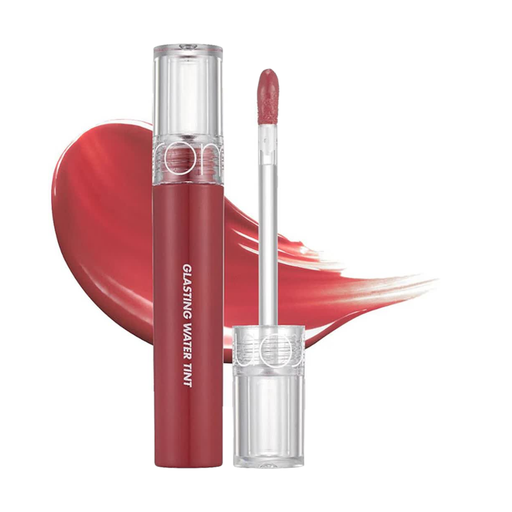
Why it suits this profile: The lightweight, water-based tint is ideal for gradients, layering and looks that call for a visible stain.
The tint keeps the visible colour separate from the shine, so the look doesn’t rely solely on a layer of gloss.
A rose-coloured stain and glossy finish, with Squalane and Glycerin according to the product description.
We’ve put together a complete, regularly updated list of products that meet these strict selection criteria and the safety regulations in force in the EU.
If a product contains fragrances or known allergens, it’s worth checking the latest ingredients list. This can vary depending on the product version or production batch.
Sheer rose and pink-coral shades with light coverage tend to look subtle. A lip gloss with a glossy finish can be worn alone or over lipstick. For more certainty about the colour, look for a product description that names the shade clearly.
How long it lasts depends on the texture, how you apply it, and whether you eat or drink. Classic gloss often needs frequent touch-ups. A long-lasting lip gloss or lip tint may keep the colour visible for longer, while the surface shine fades sooner. Any timings in product descriptions should be treated as the manufacturer’s guidance, not a guarantee for every situation.
Start with a thin layer and avoid applying too much product around the edges of your lips. Lighter, water-based formulas, or products specifically described as non-sticky lip gloss, may feel more comfortable. However, everyone’s perception is different.