
Lieferung heute & morgen

Qualitätsgarantie

Willkommens-Angebote freischalten: KOSTENLOSE Lieferung | Bis zu 80 % RABATT | Kostenlose 30-Tage-JoyPlus-Testphase
App herunterladen
A pink lipstick can look subtle for everyday wear, add a bold accent as a vibrant pink lip colour or complement an evening make-up look with a glossy finish. The choice ranges from classic lipstick and matte lipsticks to pink lip tint and pink lip gloss. However, this variety often leads to disappointing purchases: a shade looks different on the lips than it does in the product image, a matte product feels dry or a lipstick advertised as long-lasting still leaves marks on cups and glasses.
The product name alone is therefore not enough. The key factors are colour undertone, texture, finish, ingredients and specific application instructions.
“Pink”, “Rose” and “Dusty Pink” are not standardised colour references. A pink lipstick may have cool blue undertones, warm coral nuances or a muted grey element. Your natural lip colour also affects the result. For example, a sheer lip tint looks different from an opaque lipstick in the same colour family.
For a more understated look, muted shades such as Dusty Pink lipstick, Rosé or Pink Sand are often suitable. Strong berry shades and vivid pink, on the other hand, create more contrast. Product images should therefore be used for guidance only.
A matte finish reflects little light, but this alone does not indicate how long the colour will last. Wear time depends, among other things, on film-forming agents, the amount applied, the lip care used underneath, and eating and drinking. Liquid formulas may adhere more strongly once dry, while creamy lipsticks are generally easier to reapply.
If you have dry or sensitive lips, remove loose skin before application and use a light lip balm that has been allowed to absorb fully. Applying too much balm can reduce the adhesion of a long-lasting lipstick.
Terms such as “hydrating”, “nourishing” or “comfortable” should be assessed in the context of the individual product description. Oils, waxes, glycerine and other caring ingredients may be included in the formula; however, this does not allow any general conclusion about how the product will affect every person. If you have known intolerances, the complete INCI list on the packaging is the decisive reference, as formulas can change.
All lip products mentioned are intended for external use. Stop using the product if redness, itching or irritation occurs. Products should also not come into contact with the eyes and should be kept out of the reach of children.
First, classify your preferred lip colour according to its undertone:
A creamy lipstick with a satin finish generally provides more visible colour payoff than a gloss. A Korean lip tint or pink lip tint, on the other hand, leaves a lighter colour stain that may remain visible for longer, depending on the formula.
The finish should suit the occasion and your personal comfort preferences:
With liquid products, it is best to allow the colour to dry completely before rubbing your lips together. This makes it easier to assess the actual shade.
Claims such as “up to eight hours” should always be understood in the context of the conditions specified by the relevant brand. According to the product description, the Rimmel Lasting Finish Lipstick 206 Pink Key Promise is stated to last for up to eight hours. This is not a guarantee for every everyday situation.
Also look out for:
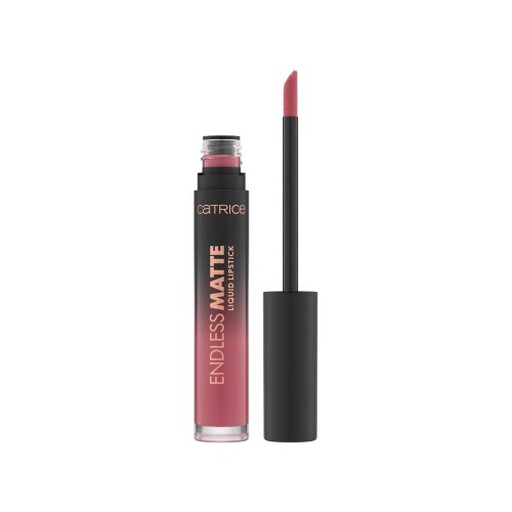
Why this product suits the profile: The liquid matte formula is ideal for anyone looking for an uncomplicated pink shade with clear colour payoff.
The product description specifies a matte texture and comfortable application. For an even result, apply the product in a thin layer to dry lips.
Liquid formula, matte finish and product information provided by the manufacturer, cosnova GmbH.
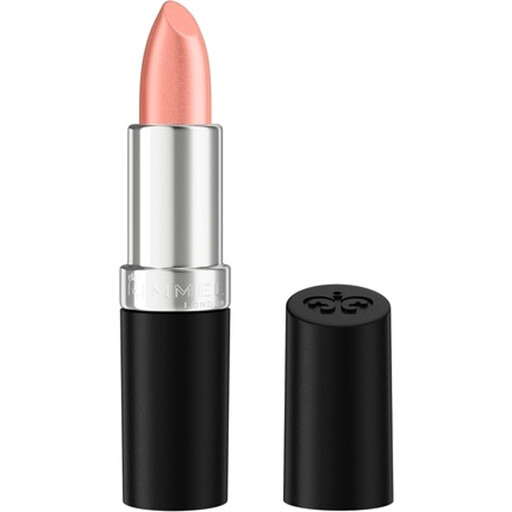
Why this product suits the profile: The creamy satin texture combines noticeable colour with a less dry finish, making it suitable for defined everyday or occasion looks.
The satin finish is an alternative to fully matte lipsticks. According to the product description, it is also stated to last for up to eight hours.
4 g content, creamy application and satin sheen; the ingredients list is provided in the product description.
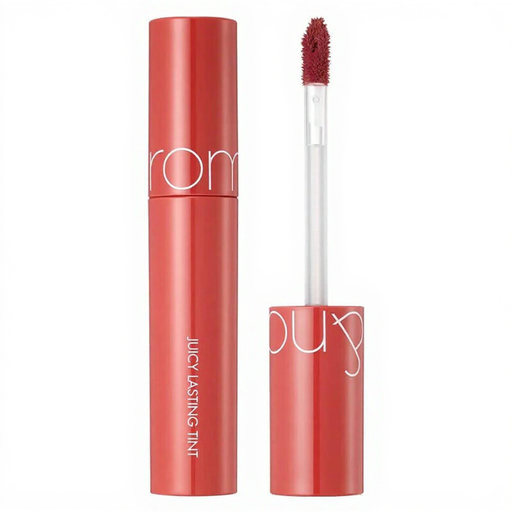
Why this product suits the profile: This tint is an appealing choice for anyone who wants to combine colour and shine and reapply flexibly throughout the day.
The product description highlights buildable coverage and a glossy finish. This allows you to adjust the intensity gradually.
5.5 g content, integrated applicator and a combination of colour layer and shine.
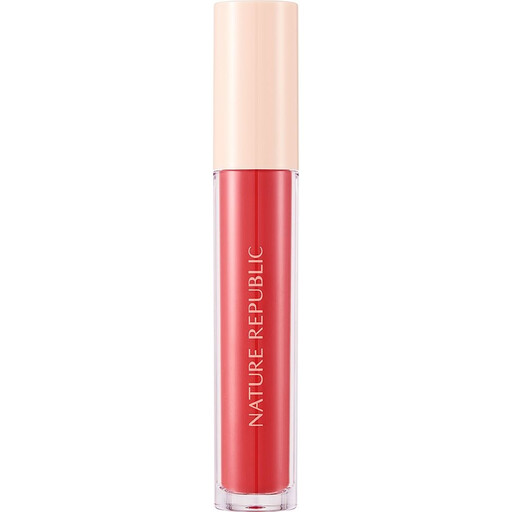
Why this product suits the profile: The lightweight water-gel texture and buildable application are well suited to a subtle lip colour for work, study and everyday errands.
According to the product description, the colour can be built up in several layers. This helps prevent an overly intense initial result.
5 g content, integrated applicator and watery gel texture with gradually buildable colour payoff.
We have compiled a complete, regularly updated list of products that fully meet these strict selection criteria and the safety regulations applicable in the EU.
Muted shades such as Dusty Pink, Almond Rose or a sheer pink lip tint generally look more understated than vivid pink. The actual effect depends on your skin tone, natural lip colour and the product’s coverage. For a safer choice, start by applying a thin layer.
This depends on the formula, application and everyday circumstances. Liquid matte lipsticks and tints may adhere more strongly once dry. Creamy lipsticks and glosses are often comfortable to reapply, but usually need refreshing after eating or drinking. Manufacturer claims such as “up to eight hours” should be treated as a guideline rather than a guaranteed everyday expectation.
Check the best-before date shown on the packaging or the symbol indicating the product’s shelf life after opening. Changes in smell, colour, consistency or skin tolerance are reasons to stop using the product. The cap should be closed firmly after every use, and the lipstick should be protected from heat, direct sunlight and moisture.