
Lieferung heute & morgen

Qualitätsgarantie

Willkommens-Angebote freischalten: KOSTENLOSE Lieferung | Bis zu 80 % RABATT | Kostenlose 30-Tage-JoyPlus-Testphase
App herunterladen
The search for the perfect Grauburgunder can quickly become overwhelming. The selection is vast, the labels are varied, and the marketing promises are often grandiose. As a Joybuy Product Recommendation Officer, I see every day which factors truly matter and where the most common pitfalls lie. Many wine lovers end up paying for a wine that doesn't meet their expectations. This guide will help you separate the wheat from the chaff and make an informed decision.
Before we dive into recommendations, it's important to understand the typical mistakes that often lead to disappointment.
To avoid the mistakes mentioned above, you should focus on three objective criteria. These will help you better assess the quality and character of a wine.
Although Grauburgunder and Pinot Grigio come from the same grape variety, the winemaking process in their respective countries significantly shapes the style.
The taste profile is determined by the balance of residual sugar and acidity. A wine declared as dry in Germany can contain up to 9 grams of residual sugar per litre, provided the acidity balances it out. Pay attention to the acidity level (if available): a higher value (e.g., over 6 g/l) indicates a fresher, more vibrant wine, while a lower value suggests a softer, rounder impression.
For an increasing number of quality-conscious connoisseurs, sustainable practices also play a crucial role.
Here are some recommendations tailored to different profiles and needs.
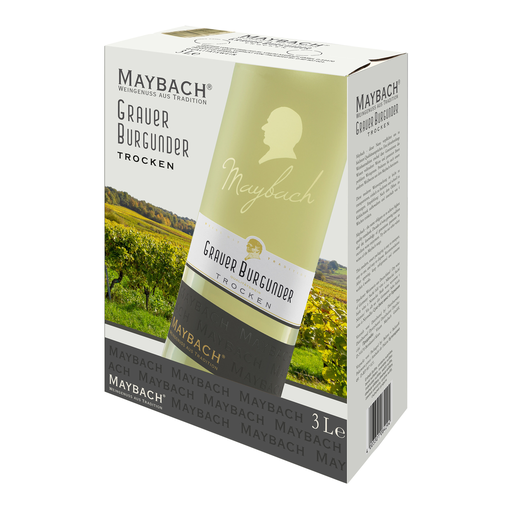
Why it's a great fit: Ideal for anyone looking for a straightforward, dependable wine for daily enjoyment or social gatherings. The bag-in-box packaging is not only cost-effective but also keeps the wine fresh for several weeks after opening.
This wine bypasses the "Label Illusion." The focus here is clearly on functionality and solid value for money rather than an elaborate bottle design. You get reliable quality for everyday enjoyment.
The 3-litre box is practical and economical. The wine stays fresh for a long time thanks to the vacuum-sealed bag, making it a great choice for occasional wine drinkers who don't want to finish a whole bottle at once.
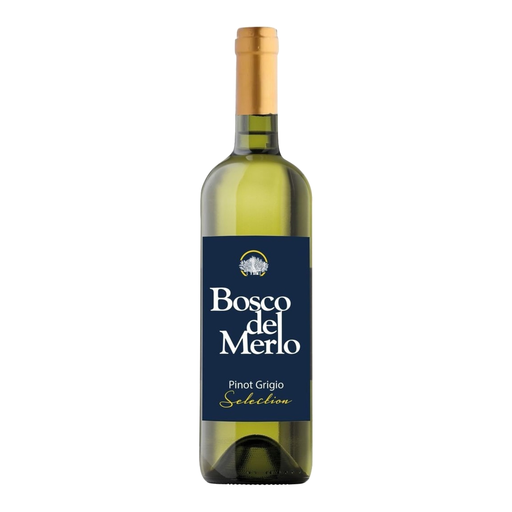
Why it's a great fit: For wine lovers seeking a characterful Italian Pinot Grigio that goes beyond the standard. This wine comes from a renowned winery in Veneto and is made from selected grapes.
This wine avoids the "Origin Trap." Instead of a generic wine from Italy, you get a DOC wine (controlled designation of origin) from a specific producer known for its quality.
Its elegant aromatic profile with notes of acacia and pear blossoms, along with a pleasant freshness and acidity, make it a versatile companion for fish dishes, seafood, and risotto.
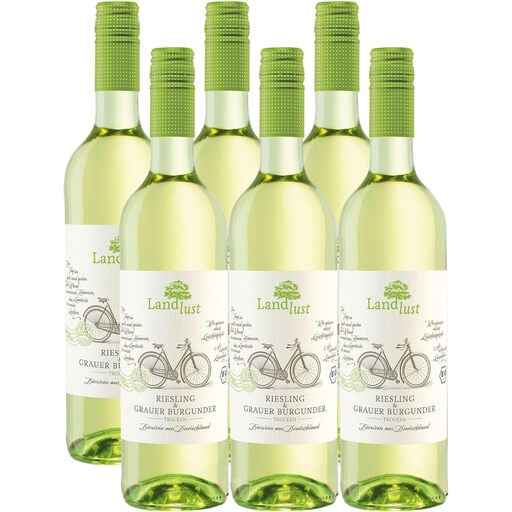
Why it's a great fit: This wine is the right choice for anyone who values sustainable and mindful production. It is both EU-certified organic and vegan, and comes in a convenient wine case of six bottles.
This wine offers transparency. Instead of vague marketing terms, you get verifiable certifications. You're not just buying a story, but a product made according to clear ecological and ethical standards.
The combination of organic wine and vegan wine production meets high standards of sustainability. The cuvée of Riesling and Grauburgunder provides an exciting interplay of fruit (pear) and minerality.
We have compiled a complete, up-to-date list of products that fully meet these strict selection criteria and German regulations.
1. What is the difference between Grauburgunder, Pinot Grigio, and Wei?burgunder? Grauburgunder and Pinot Grigio are two names for the same red-skinned grape variety used to make white wine. The name and wine style depend on the region of origin (Grauburgunder in Germany, Pinot Grigio in Italy). Wei?burgunder (Pinot Blanc) is a separate, lighter-skinned grape variety that often produces more elegant and lighter wines.
2. How long does a dry white wine last after opening? An opened bottle of white wine should be tightly re-sealed and stored in the refrigerator. It will typically stay fresh for 2 to 4 days. Wines in a bag-in-box package last for several weeks after opening due to the vacuum mechanism.
3. What foods pair well with Grauburgunder? Thanks to its structure and aromatic diversity, German Grauburgunder is a versatile food companion. It pairs well with richer fish dishes, white meats like poultry or veal, mushroom dishes, pasta with creamy sauces, and mild cheeses. Lighter Pinot Grigio styles are excellent with salads, antipasti, and seafood.