
Lieferung heute & morgen

Qualitätsgarantie

Willkommens-Angebote freischalten: KOSTENLOSE Lieferung | Bis zu 80 % RABATT | Kostenlose 30-Tage-JoyPlus-Testphase
App herunterladen
By: Joybuy Product Recommendation OfficerDate: July 28, 2026
The search for a good Pinot Gris can quickly become a complicated task. The selection is vast, labels are often vague, and price ranges are considerable. Many wine drinkers invest in a supposedly high-quality bottle, only to find it doesn't suit their palate or offer good value for money. This guide will help you navigate common pitfalls and make an informed decision.
Before we dive into the selection criteria, let's look at three common issues that can lead to a disappointing purchase:
To find the right wine for you, consider three core parameters. These will help you correctly interpret product descriptions and make a choice that meets your expectations.
The most important distinction for white wines is the flavour profile, which is determined by the balance of residual sugar and acidity.
Pro Tip: In addition to the "dry" designation, pay attention to the alcohol content. A higher alcohol level (around 13% ABV or more) can indicate a fuller-bodied, more powerful wine, while lower values often correlate with lighter, fresher styles.
Two of the most important German growing regions for Burgundy varieties are Rheinhessen and the Pfalz. The origin significantly shapes the character of the wine.
The choice of packaging depends on your consumption habits.
Here are a few recommendations tailored to different profiles and needs.
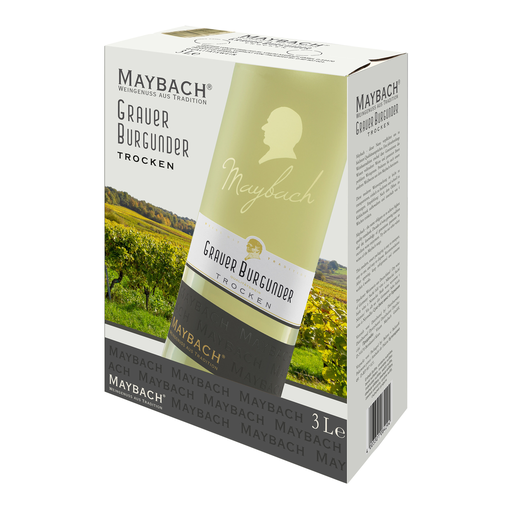
Why it's a great fit: Ideal for regular enjoyment. The Bag-in-Box packaging is practical, more eco-friendly to transport, and keeps the wine fresh for weeks after opening. Perfect for anyone who enjoys a glass with dinner without having to open a whole bottle.
Solves the problem of inefficient single-bottle purchases. The 3-litre format offers excellent value for money and minimises packaging waste compared to four individual bottles.
Long-lasting after opening: The wine stays fresh for up to 4 weeks thanks to the vacuum-sealed bag. Convenient handling: Easy to dispense without heavy bottles.
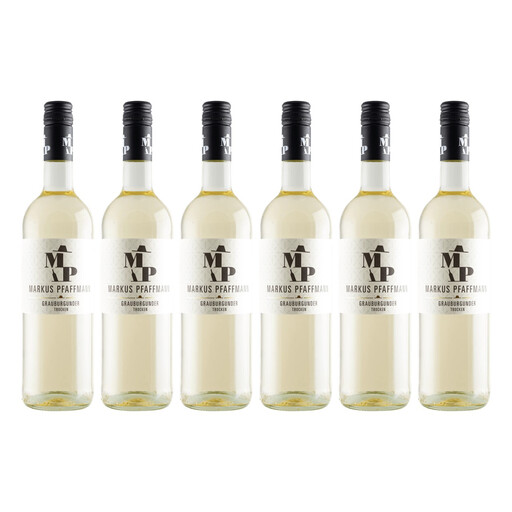
Why it's a great fit: This wine is a clear statement of its origin. It represents the typical style of a Pfalz wine: sun-kissed, with aromas of apple and pear, and a fine minerality. Ideal for connoisseurs who want to taste the character of a region in their glass.
Bypasses the price-origin fallacy by focusing not just on a famous region, but on a winemaker with consistently high quality. This provides reliability and a clear flavour profile.
Distinct regional character: Represents the typical characteristics of the Southern Pfalz. Versatile food pairing: Pairs well with white meat, fish, or on its own on the patio.
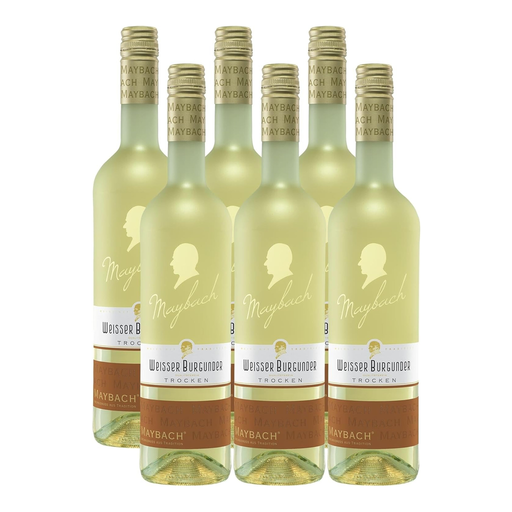
Why it's a great fit: A Pinot Blanc (Wei?burgunder) is often the more diplomatic choice in a group. It is typically a bit more restrained and delicate than Pinot Gris. This dry wine from Rheinhessen is elegant, with subtle fruit aromas of pear and quince, and appeals to a wide range of palates.
Solves the uncertainty of the "dry" trap. Pinot Blanc is generally perceived as very balanced and is a safe bet when you don't know your guests' exact preferences.
Highly approachable: The soft, fruity character appeals to a broad audience. Convenient 6-bottle case: Ideal for parties or for stocking up for several dinners.
We've compiled a complete, up-to-date list of products that meet these strict selection criteria and quality standards.
Although both belong to the Burgundy family, there are distinct differences. Grauburgunder (or Pinot Gris) has a reddish-grey grape skin, which often gives the wine a richer colour and more body. Its aromas are reminiscent of ripe pears, nuts, and honey. Wei?burgunder (Pinot Blanc) has a light green grape skin and typically produces lighter, fresher wines with aromas of citrus fruits, green apples, and nuts. It is often considered the more elegant and restrained of the two.
An opened bottle of Pinot Gris should be sealed tightly with a cork or screw cap and stored in the refrigerator. This will keep the wine fresh for about 2 to 3 days. After that, it will start to lose its freshness and aromas. With Bag-in-Box packaging, the vacuum-sealed bag prevents contact with oxygen, allowing the wine to maintain its quality for 3 to 4 weeks after the first pour.
A dry Pinot Gris is a very versatile food companion. Its robust structure and subtle fruit aromas harmonise well with a variety of dishes. Recommended pairings include: