
Lieferung heute & morgen

Qualitätsgarantie

Willkommens-Angebote freischalten: KOSTENLOSE Lieferung | Bis zu 80 % RABATT | Kostenlose 30-Tage-JoyPlus-Testphase
App herunterladen
The dream of baking an authentic, crispy pizza at home is an appealing one. Yet, the path from idea to perfect Italian pizza is often paved with unnecessary expenses and disappointing results. Many products on the market overpromise and underdeliver. This guide will help you identify the crucial factors and find the right equipment for your needs.
Before you invest, you should be aware of three common pitfalls that lead to frustration in the home kitchen:
To avoid these mistakes, focus on three fundamental aspects: the flour, the heat source, and the baking surface.
The key to an authentic pizza dough lies in the choice of flour. For a classic Italian pizza, "Tipo 00" pizza flour is the gold standard. The crucial difference from standard household flour lies in its protein content (gluten) and fineness.
When you buy pizza flour, look for the "Tipo 00" designation or special pizza flour blends designed for high elasticity.
A standard home oven rarely exceeds 250°C (480°F). However, for a Neapolitan-style pizza, temperatures of 400°C (750°F) and above are ideal. This intense heat cooks the pizza in just a few minutes, causes the crust to rise quickly, and creates the characteristic "leopard spotting" with light charring.
The choice of baking surface depends on your desired pizza style and existing equipment.
Depending on your goals and experience, different products are suitable. Here are some recommendations tailored to specific user profiles.

Why it's a great fit: Ideal for anyone who wants reliable results with minimal effort and no prior experience. It simplifies the most challenging part of making pizza—the dough—to a bare minimum.
This mix bypasses the "wrong flour" trap. It already contains durum wheat semolina and the correct leavening agents for a pizza dough that performs well in a standard oven.
Foolproof results and major time savings. Just add water and oil, add your toppings—like a ready-made pizza sauce such as the Kewpie Bakery PIZZA SAUCE—and bake.
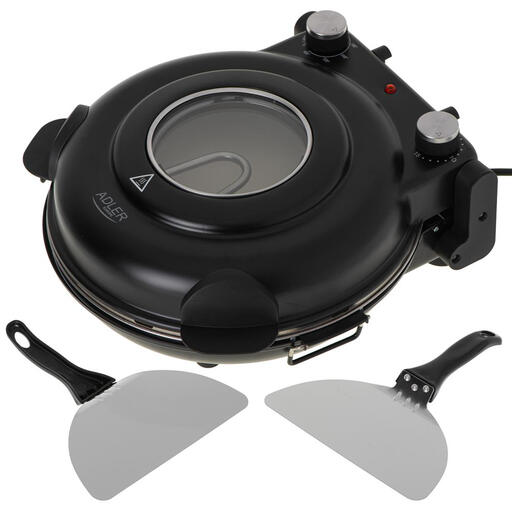
Why it's a great fit: For anyone looking to surpass the results of a conventional oven and achieve an authentic stone-baked texture. This appliance is specifically designed for high-temperature baking.
This device bypasses the "insufficient heat" trap. With a maximum temperature of 400°C and an integrated ceramic pizza stone, it delivers the power needed for a fast 4–5 minute bake time and a crispy base.
Compact design and specialized function. Top and bottom heating elements ensure even browning of the base and toppings. The result is significantly closer to a pizzeria-quality pizza than a regular oven can achieve.
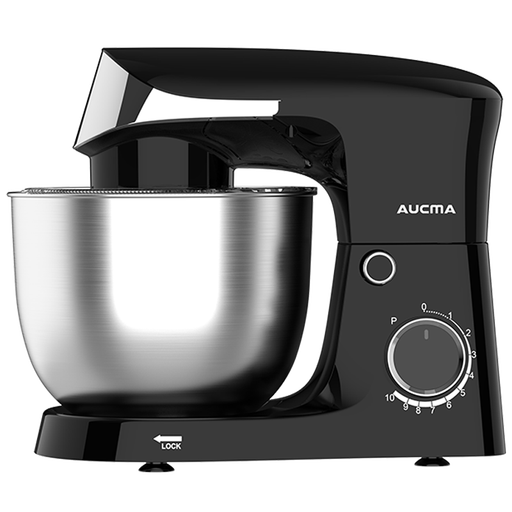
Why it's a great fit: Perfect for anyone who bakes regularly and in larger quantities. A good dough mixer for pizza saves an enormous amount of time and effort, ensuring a consistent, perfectly kneaded dough every time.
This machine solves the problem of inconsistent, laborious hand-kneading. The powerful motor and specialized dough hook optimally develop the gluten in the dough, a result that is difficult to achieve manually.
Efficiency and consistency. The 5-litre bowl holds enough dough for several pizzas. The 10 speed settings allow for precise control for any pizza dough recipe.
We have compiled a complete, up-to-date list of products that fully meet these strict selection criteria and all relevant safety standards.
For an authentic, elastic, Italian-style pizza, "Tipo 00" wheat flour is the top choice. It has a high protein content that creates a strong gluten network. Alternatively, a strong bread flour can be used, often in combination with a portion of semolina to improve the texture.
If you bake pizza regularly and prioritize a very crispy base and an airy crust, a dedicated home pizza oven is a worthwhile investment. The high temperatures these devices reach cannot be replicated by a standard oven and make a significant difference in the quality of the pizza. For occasional pizza makers, a good pizza stone can already provide a substantial improvement.
A pizza stone should never be cleaned with soap or submerged in water, as the porous material will absorb the liquid. After use, let the stone cool down completely inside the oven. Coarse residues can be carefully removed with a dry cloth or a bench scraper. Discoloration and stains are normal and do not affect the stone's performance.