
Lieferung heute & morgen

Qualitätsgarantie

Willkommens-Angebote freischalten: KOSTENLOSE Lieferung | Bis zu 80 % RABATT | Kostenlose 30-Tage-JoyPlus-Testphase
App herunterladen
Anyone who bakes pizza at home knows the problem: the toppings are perfect, the cheese is golden brown, but the crust often remains soft and disappointing. The desire for an authentic, crispy pizza crust just like from an Italian restaurant leads many to purchase a pizza stone. However, the market is flooded with options, and not every set delivers on its promise. Before you make a purchasing decision, it's important to understand the most common pitfalls that lead to frustration and unnecessary expense.
Two common problems when choosing are:
A well-designed pizza stone set, which includes both a high-quality stone and the necessary accessories, is therefore a worthwhile investment.
To make an informed decision, you should examine three core features. These determine the functionality, durability, and baking performance of your set.
The material is the most important factor for a durable and effective pizza stone for the oven. The most common materials are fireclay (chamotte) and cordierite.
The dimensions of the pizza stone must fit your oven. Measure the interior of your oven before buying. There should be at least 2-3 cm of clearance on all sides to allow air to circulate. A thickness of 1.5 cm to 3 cm is a good guideline. A thicker stone stores more energy, leading to a better baking result, but it also requires a longer preheating time.
A pizza stone with a peel is the foundation of a successful DIY pizza kit. The peel, also known as a pizza shovel, serves two important functions: safely placing the raw pizza on the hot stone and removing it just as safely.
For beginners, a set that already includes a suitable wooden peel is a practical and functional solution.
Instead of making a one-size-fits-all recommendation, we have compiled products for different user profiles.
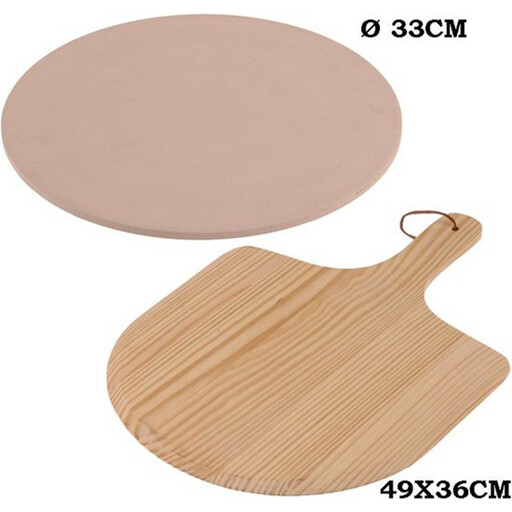
Why This Fits Their Persona: This set is ideal for anyone who wants to start baking pizza right away without searching for individual components. It provides the essential starter kit for families or hobby chefs looking to discover the joy of homemade pizza.
It solves the problem of an incomplete setup by being delivered as a complete pizza baking set with a stone and a matching wooden peel. This makes handling safe and straightforward from the very beginning.
The 33 cm stone is a common size for standard ovens. The generously sized wooden peel makes it easy to prepare and serve the pizza.
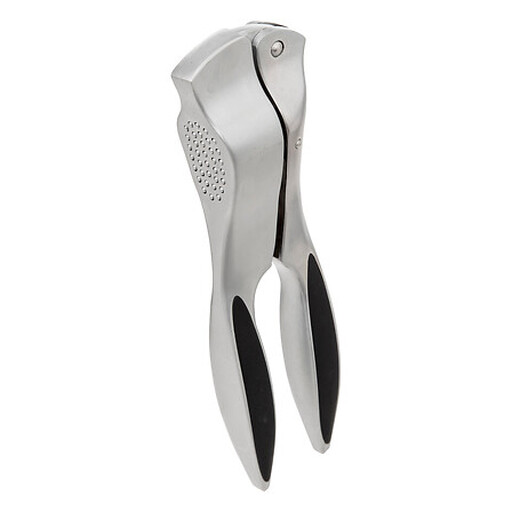
Why This Fits Their Persona: For pizza makers who value fresh and intense flavors. Those who refine their own tomato sauce or herb oil need reliable tools for ingredient preparation.
Avoids the bland taste of pre-made products. Fresh garlic is a simple but effective way to give homemade pizza an authentic aroma.
The zinc and stainless steel construction ensures durability. The rubberized handles provide a secure and comfortable grip during preparation.
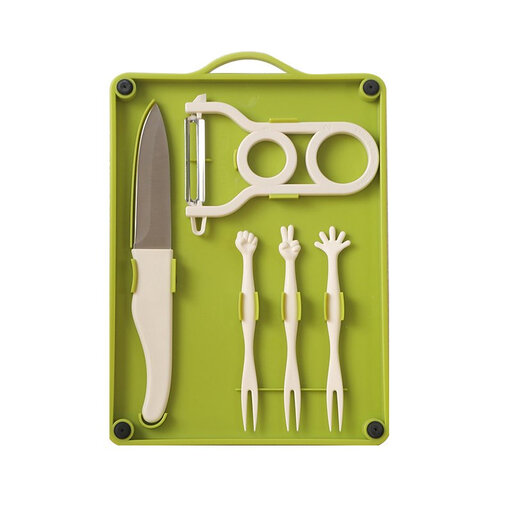
Why This Fits Their Persona: Perfect for pizza makers who use various toppings like raw meat, fish, and vegetables and want to avoid cross-contamination. A separate board for preparation ensures food safety.
Addresses the often-overlooked aspect of kitchen hygiene. The double-sided design allows for a clear separation between raw and ready-to-eat ingredients, which is especially important when cooking for a family.
According to the manufacturer, the special antibacterial surface inhibits bacterial growth. The set is compact and includes a matching knife for fruits and vegetables.
A good pizza stone set is just the beginning. Discover other useful helpers that make cooking and baking at home easier and more professional.
1. How do you preheat a pizza stone correctly? Place the cold pizza stone on the rack in a cold oven. Then, preheat the oven to the highest possible temperature (usually 250°C or more, using conventional top/bottom heat). Let the stone heat for at least 30-45 minutes after the oven has reached its target temperature. Only a fully heated stone will ensure a shock-baked, crispy crust.
2. Can a pizza stone crack in the oven? Yes, this is possible, especially with low-quality materials or improper handling. To prevent cracking, you should always heat and cool the stone along with the oven. Avoid placing frozen products directly on the hot stone or bringing the hot stone into contact with cold water. A cordierite stone is more resilient in this regard.
3. How do you clean a pizza stone and a wooden pizza peel? After use, let the pizza stone cool completely inside the oven. Remove coarse residues with a dry cloth or a ceramic hob scraper. Never use dish soap, as the porous material can absorb the taste. Stains and discoloration are normal and do not affect its function. You should only wipe the wooden pizza peel with a damp cloth and let it dry immediately. Avoid soaking it in water or cleaning it in the dishwasher.