
Lieferung heute & morgen

Qualitätsgarantie

Willkommens-Angebote freischalten: KOSTENLOSE Lieferung | Bis zu 80 % RABATT | Kostenlose 30-Tage-JoyPlus-Testphase
App herunterladen
When buying PLA+ Bio Filament for 3D printers, shoppers often look at the colour or price first. However, other factors are crucial for clean prints: the correct filament diameter, compatibility with the printer and proper storage. The terms “Bio” and “PLA+” alone do not indicate whether the material is suitable for every device or project.
This guide from the Joybuy Product Recommendation Officer explains what hobby users, makers, schools and model builders should consider when buying CAILAB PLA+ Bio.
Names such as Tangerine, Hunter Green, Ruby, Lavender and Mango Yellow provide useful guidance. However, they do not replace checking the product images and available variants. Colours may look different depending on the display. If you are printing several components for the same project, it is best to use filament from the same selection or order wherever possible.
PLA+ is a product designation, not a single protected technical standard with identical properties across all brands. Printing temperature, bed adhesion, cooling and speed may vary. You should therefore take the information on the product page and the printer manufacturer’s recommendations into account.
Filament absorbs moisture from its surroundings when stored open for extended periods. This can result in popping or crackling during printing, uneven extrusion and visible surface defects. Dry, sealed storage with suitable desiccants is therefore advisable. The spool should only be removed from its packaging shortly before use.
Many FDM printers use 1.75 mm filament. However, this is not the case for every device. You should check the printer manufacturer’s specifications before buying. The feed system must also be compatible with the diameter. Using the wrong diameter can lead to unreliable material feeding.
When considering filament for FDM printers, you should also check whether the printer uses an open spool, a closed material system or specific manufacturer cartridges. CAILAB PLA+ Bio should therefore only be used if the spool format, filament diameter and feed system are compatible.
PLA filament is often used for decorative objects, figures, prototypes, educational models and simple functional parts. It can be processed in many FDM systems at comparatively moderate temperatures. For parts exposed to high heat, used outdoors for extended periods or subject to particularly high mechanical loads, PLA is not automatically the right choice.
The term bio-based filament should also be understood in the right context: it describes the product’s material positioning, but is not a general indication that it is compostable in a domestic garden or that it has a specific disposal method. Local regulations apply to disposal.
According to the manufacturer’s product warning, printing should take place in well-ventilated areas. The hot nozzle and heated filament must be kept away from children and pets. Printed models should be allowed to cool completely before removal, and hot printer components must not be touched. Filament is not intended for consumption.
Before your first print, it is also advisable to:
The following variants offer a choice of coloured PLA filament for different projects. The product information identifies each CAILAB PLA+ Bio version and its respective colour. Check any additional technical specifications directly on the product page before buying.
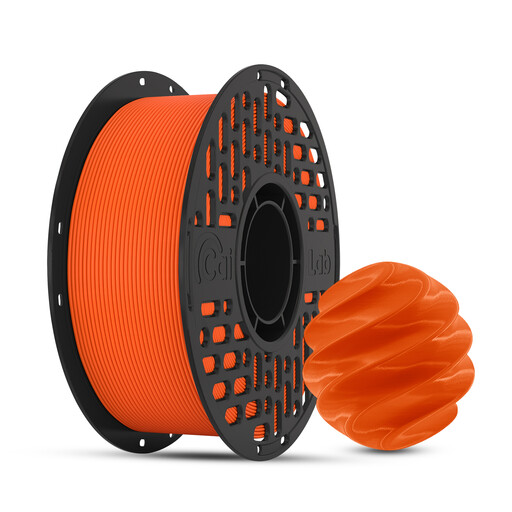
Why this product suits this profile: The distinctive Tangerine colour is ideal for first colour projects, educational models and decorative prints where a strong colour effect is desired.
The specific colour name makes choosing easier than with unclear multi-variant listings where shades may change. Diameter and printer compatibility still need to be checked before buying.
CAILAB PLA+ Bio in the clearly specified Tangerine colour; a suitable coloured option within the product range.
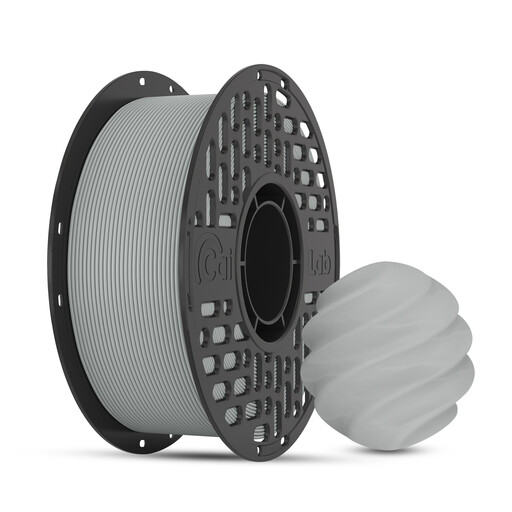
Why this product suits this profile: A light, understated shade suits technical prototypes, architectural models and objects where contours should remain clearly visible.
The neutral colour keeps the focus on layers and surfaces. Rather than relying on marketing claims, compare the print profile, material diameter and the specific printer instructions.
Light Gray is available as a clearly specified CAILAB variant and is versatile for models with a functional, understated design.
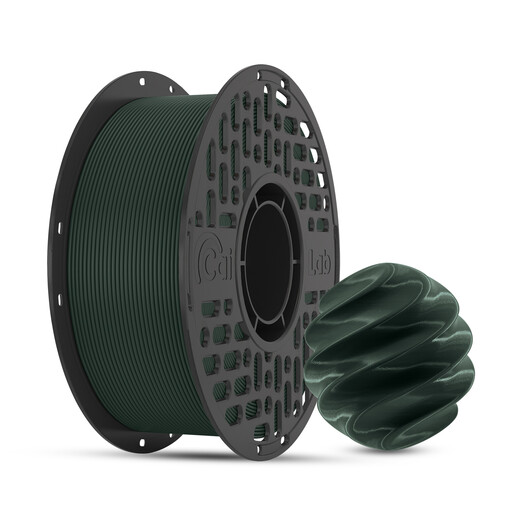
Why this product suits this profile: Hunter Green provides a distinctive darker colour option for figures, nature themes, model-making and recurring creative print series.
The darker colour variant makes choosing straightforward for specific projects. For frequent printing, dry storage, consistent feeding and a suitable FDM print profile are particularly important.
A specific Hunter Green colour variant within the CAILAB PLA+ Bio range; suitable for models with clearly defined colour requirements.
A short checklist can help prevent unsuitable purchases:
If you are looking for other colours such as Brown, Desert, Ruby, Red, Orange, Black, Gray, Sakura Pink, Ice Blue, Lavender or Olive Green, you can select the relevant CAILAB variant from the product overview. Check the specific product details again before completing your order.
We have put together a complete, regularly updated list of products that fully meet these strict selection criteria and the safety regulations applicable in the EU.
No. Important factors include the filament diameter, spool holder, feed system and the materials supported by the printer. Before buying, compare the specifications of your printer model with the product details.
There is no fixed lifespan that applies in every case. It depends on storage conditions, moisture, packaging and frequency of use. When stored in a dry, dust-free and sealed environment, the material will generally remain better prepared for processing than a spool that is left open continuously.
In addition to the filament price, there may be electricity costs and, where applicable, costs for print-bed accessories and wear parts such as nozzles. Material consumption depends on the model size, infill, wall thickness and support structures. For a realistic estimate, multiply the number of grams shown in the slicer by the price per gram.