
Lieferung heute & morgen

Qualitätsgarantie

Willkommens-Angebote freischalten: KOSTENLOSE Lieferung | Bis zu 80 % RABATT | Kostenlose 30-Tage-JoyPlus-Testphase
App herunterladen
The quality and functionality of a 3D-printed object are critically defined by the choice of the right material. 3D printer filament is the cornerstone of every FDM (Fused Deposition Modeling) print. The selection of the appropriate filament depends on the specific requirements of the project, such as mechanical strength, heat resistance, aesthetics, and print complexity. Therefore, making an informed decision based on technical parameters is essential for a successful print outcome.
This guide analyses the properties of common filament types and presents a selection of products designed for various use cases.
The decision for a filament should be based on an objective evaluation of its material properties. The two most common materials for desktop 3D printing are PLA and PETG.
PLA filament is made from renewable resources like corn starch and is biodegradable under industrial composting conditions. It is distinguished by its exceptional ease of use.
PETG filament combines the properties of PLA and ABS. It is known for its high durability and flexibility.
The surface appearance plays a significant role in the final product's aesthetics. A matte filament can effectively hide layer lines and gives the printed object a high-end, less plastic-like appearance. Glossy filaments reflect more light and accentuate the object's shape.
The following selection is based on the technical specifications and intended applications of the products.
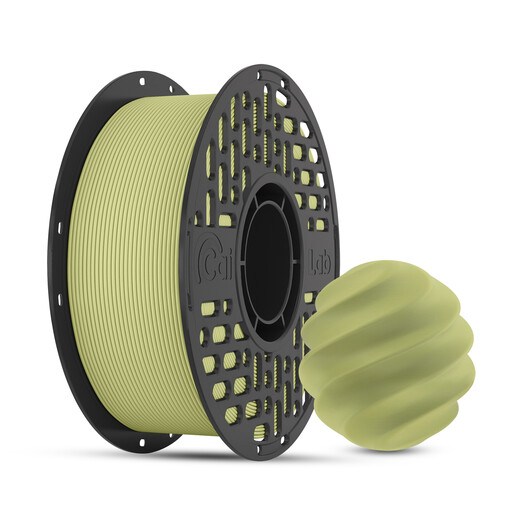
Why We Recommend This Product: This filament is engineered for a matte surface finish that lends an artistic and tactile quality to printed objects. The formulation is designed to ensure a smooth material flow and reduce clogging, thereby increasing print reliability.
Advantages:
Who It's For: Users who place a high value on the aesthetics of their prints and seek a high-quality, non-glossy surface for models, figures, or design objects.
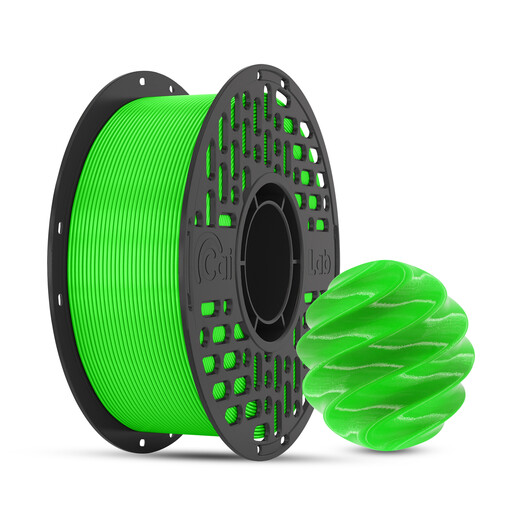
Why We Recommend This Product: This PETG filament is designed as a hybrid material that combines the mechanical resilience of ABS with the easier printability of PLA. It is suitable for creating robust and durable functional parts.
Advantages:
Who It's For: Users printing functional components, mechanical parts, or everyday objects that require greater durability, flexibility, and chemical resistance.
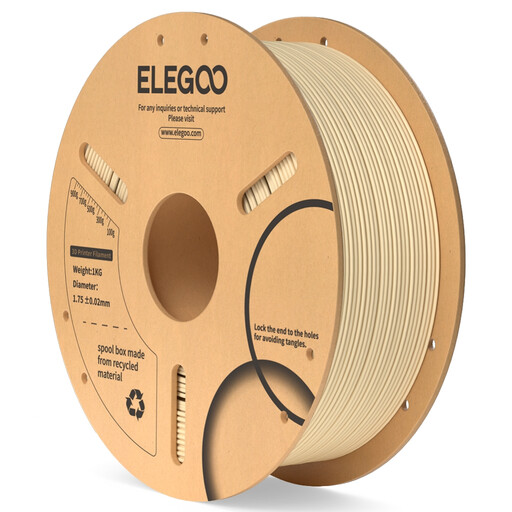
Why We Recommend This Product: This PLA filament focuses on maximum print reliability through a very tight diameter tolerance of ±0.02 mm. The use of a cardboard spool also represents a more eco-conscious packaging alternative.
Advantages:
Who It's For: Beginners and experienced users for whom consistent print results and a high success rate are a top priority. Also ideal for users who prefer a sustainable filament or more sustainable packaging.
The filaments presented here cover key application areas. For specialised projects requiring, for example, extreme heat resistance (ABS, ASA), flexibility (TPU), or special optical properties, a wide range of other materials exists. You can find a comprehensive overview of different filament types and compatible 3D printer accessories in our Filament-3D-Printers category.
1. What is the fundamental difference between PLA and PETG filament? The main difference lies in their mechanical and thermal properties. PLA is rigid but brittle and less temperature-resistant, but it is very easy to print. PETG is tougher, more flexible, more chemically resistant, and withstands higher temperatures, but it requires more precise print settings.
2. How do I store 3D printer filament correctly? Filaments, especially PLA and PETG, are hygroscopic, meaning they absorb moisture from the air. Moist filament leads to poor print quality (e.g., bubbling, brittle prints). Therefore, always store filament in a cool, dry, and dark place, ideally in a resealable bag along with a desiccant (silica gel).
3. Which filament is suitable for 3D printing beginners? PLA filament is generally recommended for beginners. It is forgiving of inaccuracies in print settings, has a low tendency to warp, and does not require a heated print bed. These characteristics lead to a high success rate and reduce frustration during initial printing attempts.