
Lieferung heute & morgen

Qualitätsgarantie

Willkommens-Angebote freischalten: KOSTENLOSE Lieferung | Bis zu 80 % RABATT | Kostenlose 30-Tage-JoyPlus-Testphase
App herunterladen
As a cat owner, you want to create a clean and healthy environment for both you and your pet. Plant-based clumping litter, often called eco-friendly cat litter, promises a sustainable, high-performance alternative to mineral-based products. However, the market is flooded with options whose marketing claims don't always hold up in practice. This guide will help you identify the key features and make an informed decision.
Many products advertise ideal features, but the reality is often different. Pay attention to these three points to avoid disappointment:
To make the right choice, you should focus on objective criteria rather than advertising slogans. The following three parameters are crucial for the performance and suitability of a plant-based cat litter.
Plant-fibre cat litter can be made from a wide variety of raw materials. Each material has specific properties:
The material base affects not only functionality but also your cat's acceptance. Granules that are too coarse or have an unfamiliar scent may cause your cat to avoid the litter box.
High absorbency is the foundation for effective odour control and solid clumps. The litter should quickly lock moisture into its core. Look for product descriptions that highlight fast and firm clumping. Solid clumps can be removed cleanly without crumbling. This reduces consumption, as only the soiled parts are taken out, leaving the rest of the litter clean.
A low-dust cat litter is beneficial not only for people with allergies or sensitive respiratory systems but also for the cat itself. Dust can irritate the animal's respiratory tract. Particle size also plays a role: very fine granules can stick to paws more easily and be spread around the home ("tracking"), while pellets that are too coarse can be uncomfortable for some cats. A happy medium is often a good choice here.
Based on the criteria mentioned, we have put together products for various needs and households.
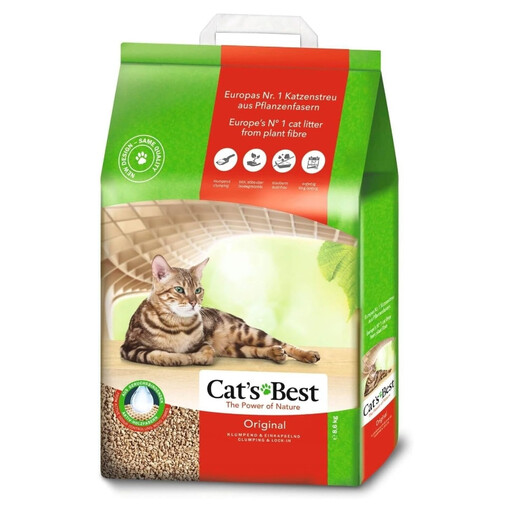
Why This Fits Their Persona: Ideal for cat owners who value a proven, sustainable product. The base of pure plant fibres from the forestry industry makes it an eco-friendly choice that promises high efficiency.
The JRS plant-fibre technology is designed to effectively lock in liquids and odours, counteracting the problem of weak odour control.
Made from 100% pure organic fibres and is completely biodegradable. Its high absorbency ensures long-lasting use.
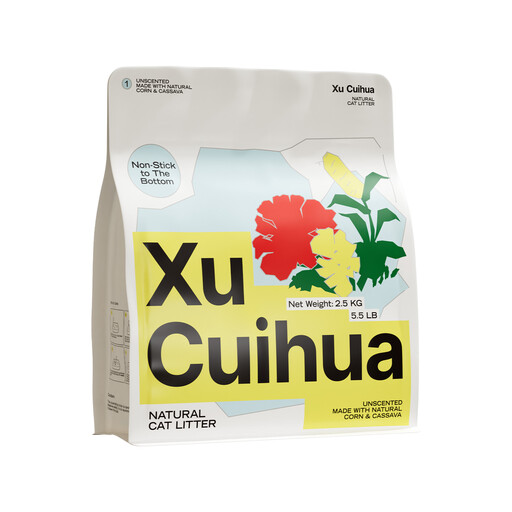
Why This Fits Their Persona: A great choice for owners of cats with sensitive noses or for households that prefer to avoid fragrances. The low-dust formula is also gentle on the respiratory systems of both humans and pets.
The formula is explicitly described as low-dust and unscented, which minimises the risk of respiratory irritation and rejection by scent-sensitive cats.
Made from starch-based materials like cassava and corn without chemical additives. Clumping is described as fast and firm, which simplifies cleaning.
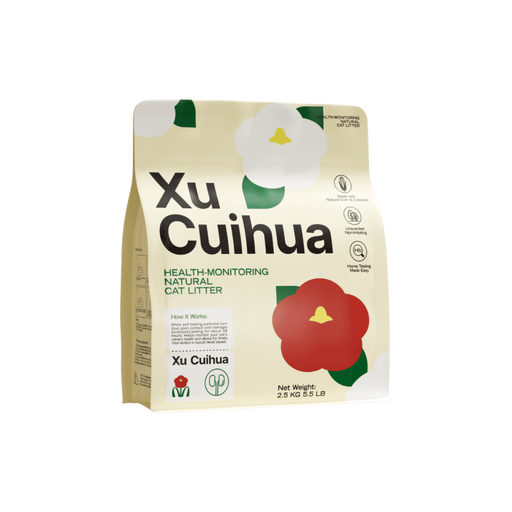
Why This Fits Their Persona: For cat owners who want to proactively monitor their pet's health. This litter offers an additional feature for the early detection of potential urinary tract problems.
Addresses the pitfall of invisible health problems. Instead of just focusing on cleanliness, it provides a visual indicator for occult blood in the urine, which can prompt an early consultation with a vet.
Contains blood detection particles that turn blue upon contact with blood in the urine. Based on natural materials like tapioca starch and corn starch.
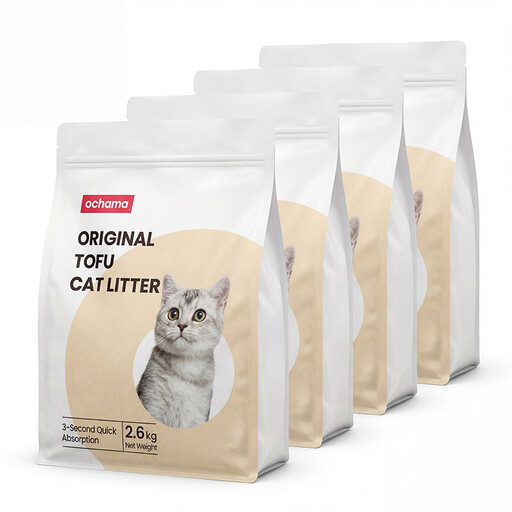
Why This Fits Their Persona: This tofu cat litter is aimed at owners who appreciate quick and easy cleaning. The fine 2mm particles and fast clumping action make daily litter box maintenance a breeze.
The formula is designed to create stable clumps that don't stick to the scoop or the bottom of the litter box, thus counteracting the problem of crumbling clumps. It is advertised as flushable, but the manufacturer advises caution with large quantities.
Made from food-grade raw materials like tofu and corn starch. The fine particles reduce the amount of litter tracked out of the box.
We've compiled a complete, up-to-date list of products that fully meet these strict selection criteria and rigorous safety standards.
The frequency of a complete change depends on the quality of the litter, the number of cats, and the size of the litter box. If you remove clumps and solid waste daily, a high-quality, sustainable cat litter can last 3 to 5 weeks in the box before a full replacement is necessary. Monitor the odour and overall cleanliness.
Although many products are labelled as "flushable," this should be viewed critically. Most local water authorities and sewage regulations prohibit the disposal of cat litter down the toilet, as it can burden treatment plants and clog pipes. Always check your local regulations. A safe alternative is disposal in the household waste. Composting or disposal in an organic waste bin is also only permissible if your municipality explicitly allows it.
Cats are creatures of habit and often react sceptically to change. For a smooth transition over one to two weeks, gradually mix the new plant-based litter with the old one. Start with a ratio of 25% new to 75% old litter and increase the proportion of the new litter every few days until the switch is complete.