
Lieferung heute & morgen

Qualitätsgarantie

Willkommens-Angebote freischalten: KOSTENLOSE Lieferung | Bis zu 80 % RABATT | Kostenlose 30-Tage-JoyPlus-Testphase
App herunterladen
Choosing a plant-based diet opens the door to a diverse world of food. However, the growing selection doesn't always make the choice easier. If you want to stock your pantry with high-quality vegan staples, you'll often find yourself facing shelves of products with labels that promise more than they deliver. As your Joybuy Product Recommendation Officer, I'm here to help you avoid the common pitfalls and make an informed choice.
Conscious shopping starts with recognising common marketing strategies and evaluating the actual product quality. Here are three points that often lead to poor purchasing decisions:
To ensure your plant-based foods meet your expectations, focus on these objective parameters:
This is the most important tool for making a conscious decision. Look for:
Seals provide guidance on cultivation standards.
A well-stocked pantry thrives on versatile staples. Before buying, consider how a product fits into your daily routine. Millet flakes are suitable for porridge and patties. Mung beans can be used in soups, stews, or even grown into sprouts. Soy drinks are available as shelf-stable ready-to-drink beverages or as a space-saving powder to be mixed.
Here are some product recommendations tailored to different profiles.
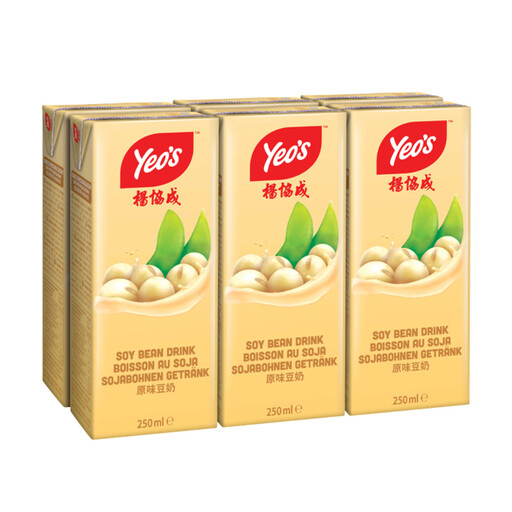
Why This Fits Their Persona: Ideal for those seeking a quick and easy plant-based protein source for on-the-go or a lunch break. The convenient 250 ml packs are ready to drink and easy to transport.
This product avoids the trap of unclear additives, as it is made without artificial colours or preservatives, according to the manufacturer. The ingredient list is short and focused on the essentials.
High convenience due to pre-portioned, shelf-stable packaging. A great staple for a vegan pantry that requires no preparation.
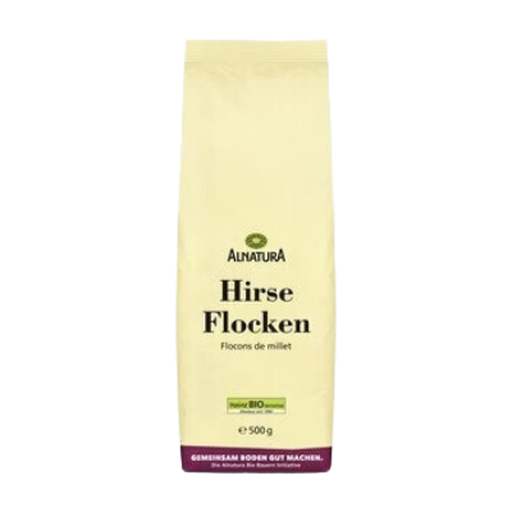
Why This Fits Their Persona: Perfect for anyone who values a wholesome and organic diet. These millet flakes are an excellent base for a nutritious breakfast muesli, porridge, or for binding vegetable patties.
This product avoids the sugar trap as it contains only one ingredient: whole grain millet flakes from organic farming. There is no added sugar or other fillers, allowing for maximum control over your meal.
Organic-certified and made from the whole grain, which ensures a high fibre content. Versatile for use in both sweet and savoury cooking.
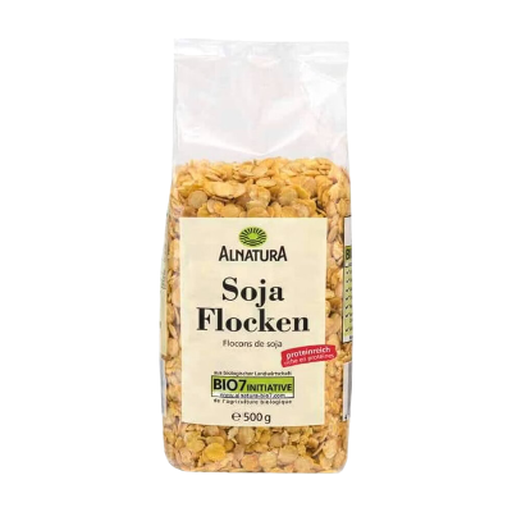
Why This Fits Their Persona: For anyone looking to specifically increase their protein intake. These soy flakes are an excellent base for a vegan meat substitute in dishes like bolognese, lasagne, or patties.
This product counters vague protein promises with a clearly declared high protein content of 41 g per 100 g. It is a pure product without fillers, representing a reliable and measurable protein source.
Extremely high protein content and versatile as a minced meat substitute. The organic certification also ensures a high agricultural standard.
We have compiled a complete, up-to-date list of products that fully meet these strict selection criteria and German regulations.
The key is the nutrition facts table. Compare the protein content per 100 g. Good plant-based protein sources include legumes (lentils, chickpeas, beans with approx. 20-25 g), soy products (tofu, soy flakes with up to 40 g), and seeds. Pay attention to the ratio of protein to carbohydrates and fat to assess nutrient density.
Not necessarily. While convenient, ready-made meals can contain high amounts of salt, sugar, and saturated fats to improve taste and shelf life. A chickpea stew in tomato sauce can be a good option, but always check the ingredients list for unwanted additives. Cooking from scratch with basic ingredients offers the most control.
Pay attention to the product description. Details like "quick-cooking," "thin-skinned," or "low breakage rate" indicate higher quality. Organic certifications can also be an indicator of careful cultivation. Also, read the storage instructions to maintain freshness after opening.