
Lieferung heute & morgen

Qualitätsgarantie

Willkommens-Angebote freischalten: KOSTENLOSE Lieferung | Bis zu 80 % RABATT | Kostenlose 30-Tage-JoyPlus-Testphase
App herunterladen
As a Joybuy Product Recommendation Officer, I see the range of plant-based foods expand daily. Vegetarian meat alternatives, especially in the form of ready-to-eat snacks, are enjoying immense popularity. However, the sheer number of options can be overwhelming, and not every product delivers on its promise. Before you make a choice, it's helpful to understand the most common pitfalls. This will help you avoid disappointment and find products that truly meet your expectations for taste and texture.
The market for savory vegan snacks is diverse but also confusing. Many products disappoint because they fail to meet basic expectations. Here are three typical problems you might encounter when making your selection:
To find the right products, you should focus on objective characteristics. The following three parameters will help you evaluate the quality of a vegetarian meat alternative snack.
The product's foundation largely determines its texture and nutritional value. The two most common bases are soy and wheat gluten.
Many products, especially Asian snacks, combine both protein sources to achieve a complex and satisfying texture.
Checking the label is essential. Pay attention to the following points:
The variety of flavors is vast. Everything is available, from classic smoky BBQ and spicy black pepper to authentically hot Asian marinades.
Here are some recommendations tailored to different flavor profiles and needs.
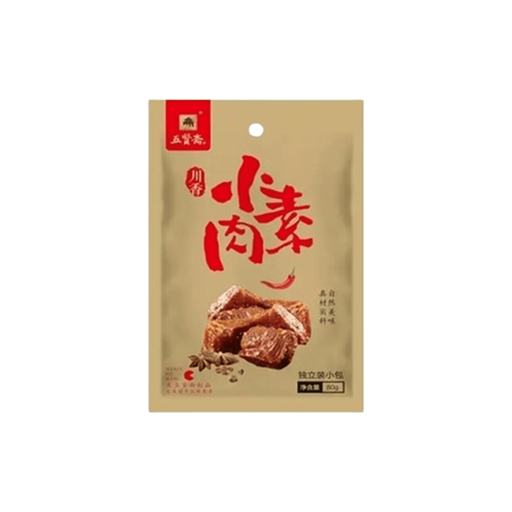
Why This Fits Their Persona: Ideal for those who seek the authentic, complex flavor of Sichuan cuisine. The combination of chili and Sichuan pepper creates the characteristic "Mala" aroma—spicy and slightly numbing.
The seasoning is authentic and multi-layered, not just salty. The wheat gluten base provides a firm, meat-like texture that lives up to its promise.
High protein content (24.8g/100g) and a ready-to-eat format. An authentic, spicy Asian snack that is packed with flavor.
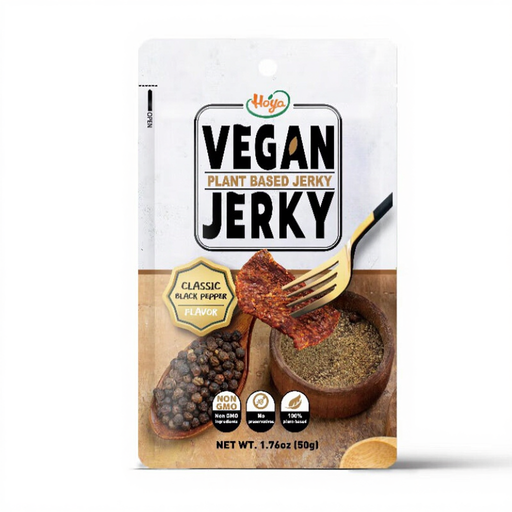
Why This Fits Their Persona: Perfect for health-conscious consumers and athletes looking for a convenient, high-protein snack on the go. The classic pepper flavor is savory but not overpowering.
The nutritional information is clearly stated, and the protein content is high at 22g per 100g. The texture is described as "chewy," which meets the expectation for vegan jerky.
An excellent plant-based protein snack with a satisfying, chewy texture and a classic, savory flavor profile.
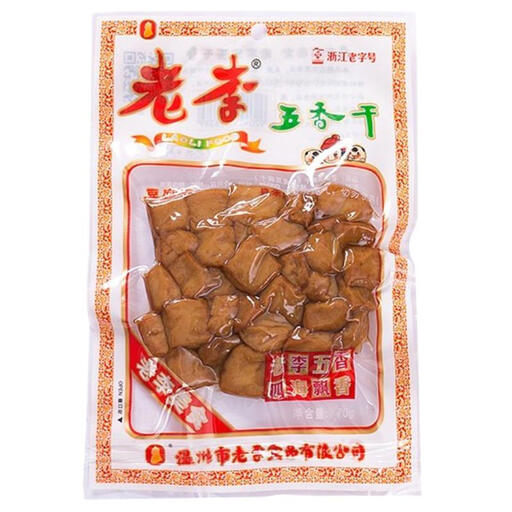
Why This Fits Their Persona: For anyone who wants to buy and try Chinese snacks, this is an accessible starting point. The five-spice flavor is aromatic and savory, but not spicy.
The product is clearly tofu-based, which sets the right expectation for its texture. The flavor is balanced and traditional, avoiding the trap of one-dimensional seasoning.
A classic, mildly seasoned soy-based snack. With 20g of protein per 100g, it is also a good source of protein.
We have compiled a complete, up-to-date list of products that fully meet these strict selection criteria.
1. What is the difference between seitan and tofu as a meat substitute? Seitan is made from wheat gluten and has a firm, chewy, and very meat-like texture. Tofu is made from soybeans and is naturally much softer. For snacks, pressed and seasoned tofu is often used, which has a firmer consistency than regular tofu but typically doesn't achieve the chewy, fibrous quality of seitan.
2. How should I store vegetarian meat snacks after opening? Most of these snacks are ready-to-eat and should be stored in a cool place after opening, ideally in an airtight container in the refrigerator. It is recommended to consume them promptly to maintain freshness and texture. Always follow the storage instructions on the product packaging.
3. Are all vegetarian meat substitutes also vegan? Not necessarily. "Vegetarian" simply means the product contains no animal meat. However, some products may contain other animal-derived ingredients like milk, eggs, or honey. If you follow a strictly plant-based diet, look for the "vegan" label and carefully check the ingredient list for any non-vegan components. The products featured here are plant-based.