
Lieferung heute & morgen

Qualitätsgarantie

Willkommens-Angebote freischalten: KOSTENLOSE Lieferung | Bis zu 80 % RABATT | Kostenlose 30-Tage-JoyPlus-Testphase
App herunterladen
As a Joybuy Product Recommendation Officer, I see the range of plant-based milk alternatives grow every day. But with more variety comes more uncertainty. Many products don't live up to the promises on their packaging. This guide will help you avoid the most common purchasing pitfalls and make an informed decision that suits your needs.
Before you buy a plant-based milk alternative, you should be aware of the common marketing promises that often lead to disappointment.
To avoid the pitfalls mentioned above, focus on three objective criteria. These will help you evaluate a product's quality, independent of advertising messages.
The perfect milk foam depends not only on technique but, more importantly, on the drink's composition. A good Barista Edition oat milk is characterised by a higher fat content (often around 3%) and a sufficient protein content. These two components stabilise the air bubbles and create a fine-pored, long-lasting foam. Look for ingredients like rapeseed oil and a protein content of at least 1g per 100ml. Acidity regulators such as dipotassium phosphate also prevent curdling in coffee.
The nutrition facts table is your most important tool. Are you looking for a protein-rich plant-based drink? Then you should favour products based on soy, peas, or fava beans, which often provide over 3g of protein per 100ml. At the same time, you should check the "of which sugars" line. A high-quality, unsweetened plant-based drink is naturally low in sugar (for oat drinks, often between 3-4g due to the enzymatic breakdown of starch) and has no added sugar in the ingredients list. This is particularly important for a lactose-free and health-conscious diet.
A short, understandable ingredient list is often a sign of a high-quality product. The base ingredient should always be listed first (e.g., water, oats). Additives like vitamins (D, B12) and calcium can offer added nutritional value. However, be critical of a long list of thickeners, flavourings, and emulsifiers that are not strictly necessary.
Based on these objective criteria, we have selected a few products for specific use cases.
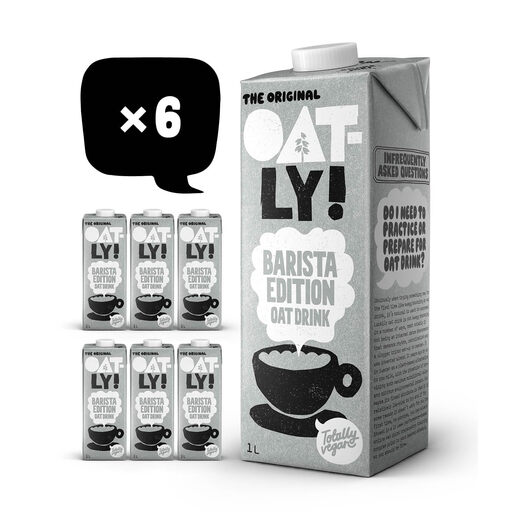
Why it's a good fit: Specifically developed for use in coffee, this drink delivers consistent results for latte art at home. Its neutral taste allows the coffee's aroma to take centre stage.
Bypasses the "Barista Trick" with a formula containing 3% fat and an acidity regulator, ensuring stable, fine-pored foam and preventing curdling.
Reliable foamability and heat stability. Fortified with calcium and vitamins (D2, B2, B12).
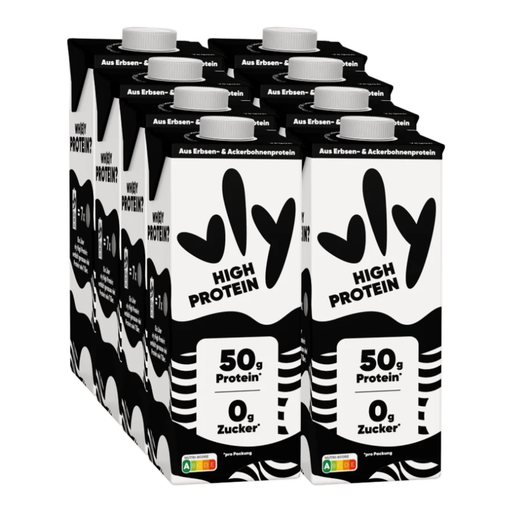
Why it's a good fit: Ideal for anyone looking to increase their protein intake on a plant-based diet. Perfect for shakes, cereal, or as a post-workout drink.
Solves the "Protein Gap" with 5g of protein per 100ml from fava bean and pea protein. Consistently avoids the "Sugar Trap" with 0g of sugar.
Very high protein content (50g per litre), sugar-free, and creamy. Fortified with vitamins (D3, B12), calcium, selenium, and iodine.
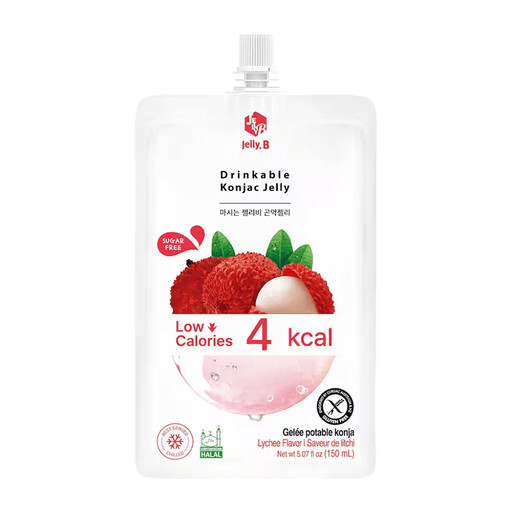
Why it's a good fit: For health-conscious people looking for an alternative to sugary desserts. This Asian sweet is a light, refreshing, and convenient snack for on the go.
This is a prime example of low-calorie snacks. It bypasses the sugar trap by being based on konjac root, offering a sweet yet diet-friendly option with only 4 kcal per serving.
Extremely low-calorie and refreshing. Convenient, resealable packaging for on the go.
We've compiled a complete, up-to-date list of products that meet these strict selection criteria.
Not every alternative is equally suitable. Drinks with very low fat and protein content (e.g., many rice drinks) can make dishes watery. For creamy sauces or baked goods, varieties based on soy drink, oat, or coconut milk are often better, as their higher fat and solid content provides better binding and texture.
A look at the nutrition facts table is crucial. A good value is over 3 grams of protein per 100ml. The protein source is also important: soy, peas, and fava beans provide a more complete amino acid profile than, for example, rice or almonds. Brands like Vly or Alpro offer special protein-fortified versions.
The main difference lies in the formula, which is optimised for use with coffee. A Barista Edition oat milk typically contains a higher fat content (around 3% compared to 1-1.5% in standard drinks) and often an acidity regulator. These adjustments ensure that the drink remains stable when heated, does not curdle, and forms a dense, creamy foam.