
Lieferung heute & morgen

Qualitätsgarantie

Willkommens-Angebote freischalten: KOSTENLOSE Lieferung | Bis zu 80 % RABATT | Kostenlose 30-Tage-JoyPlus-Testphase
App herunterladen
The selection of plant-based milks on store shelves is larger than ever. Whether for health reasons, lactose intolerance, or ethical considerations, more and more people are searching for a suitable vegan milk substitute. But the sheer variety can be overwhelming and lead to impulse buys. Certain products don't live up to their packaging's promises and prove unsuitable for their intended purpose.
This guide will help you avoid the typical pitfalls and make an informed decision. We focus on the three most common problems that lead to disappointment:
To avoid a bad purchase, it's wise to look past the marketing and focus on the facts. Three core parameters are particularly revealing.
The most telling information is found in the ingredients list and the nutrition table. A sugar-free plant-based milk should ideally have 0g of sugar per 100ml. Pay attention to the order of ingredients: if sugar or a type of syrup is listed near the top, its proportion is high. Terms like maltodextrin, maltose syrup, or fructose indicate added sweeteners. Those who prefer it pure should look for products with the shortest possible ingredient list.
Protein content varies greatly depending on the plant base. A soy drink is often a high-protein plant-based milk, typically containing between 3 and 4 grams of protein per 100ml, comparable to cow's milk. An oat drink or rice drink is often significantly lower. For a health-conscious diet, it's therefore important to check the declared protein content. The percentage of the main ingredient (e.g., "Soybeans 8%") also gives a clue about the product's concentration and quality. With soy milk powder, the protein content can even exceed 40g per 100g.
If you want to perfect your coffee, a special barista oat drink or soy drink is the right choice. These products often contain a slightly higher fat content and stabilisers like gellan gum (E418), which prevent curdling in hot, acidic beverages and allow for a stable microfoam. For cereal, cooking, or drinking straight, simpler formulas without special additives are often sufficient. All options mentioned here are naturally lactose-free and a suitable vegan milk substitute.
Based on these objective criteria, we have curated a selection of products for various needs.
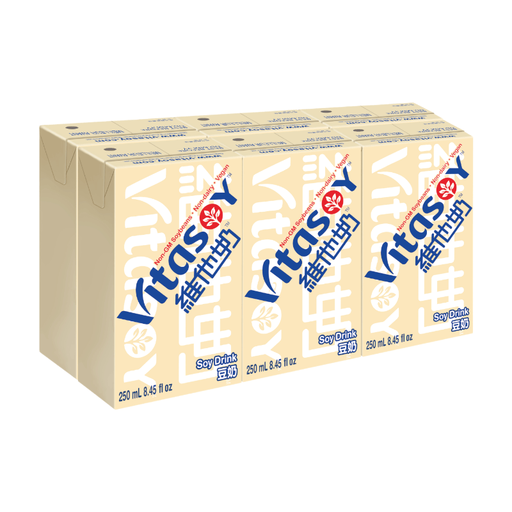
Why This Fits Their Persona: Ideal for anyone looking for a straightforward, ready-to-drink solution for on-the-go or a quick breakfast. The 250ml packs are convenient, and the classic soy taste works well in cereal or on its own.
The sugar content is clearly declared at 7g per 100ml, which is moderate for a sweetened beverage. Designed as an all-rounder for direct consumption, it avoids the usage mismatch trap.
Ready-to-drink in convenient single-serving sizes; a trusted brand with consistent quality.
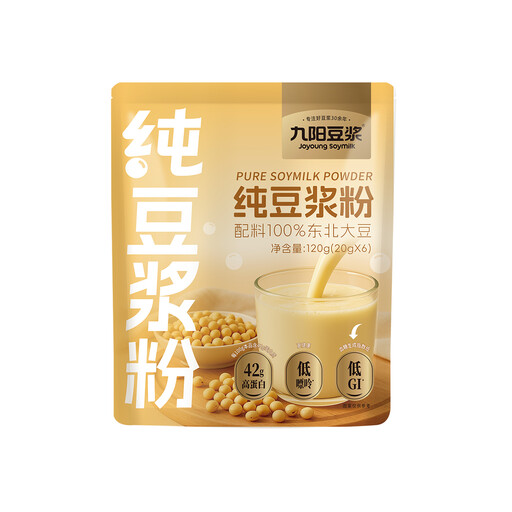
Why This Fits Their Persona: Perfect for those who want maximum control over their ingredients. This powder is made from 100% soybeans, allowing you to prepare a fresh, additive-free soy drink.
Completely bypasses the sugar trap as it contains no sweeteners. It resolves the protein misconception with an extremely high protein content of 42g per 100g of powder.
Made from a single ingredient (100% soybeans); very high protein content; no additives.
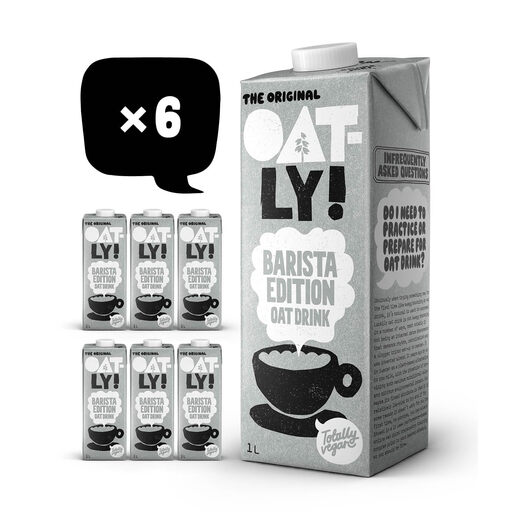
Why This Fits Their Persona: For anyone who wants to create the perfect cappuccino or latte macchiato at home. This Barista Edition is specifically designed for use in coffee.
Specifically solves the usage mismatch: The formula, with rapeseed oil and an acidity regulator, creates a stable, fine-pored microfoam and prevents curdling in coffee.
Excellent foamability for latte art; fortified with calcium and vitamins (D2, B2, B12).
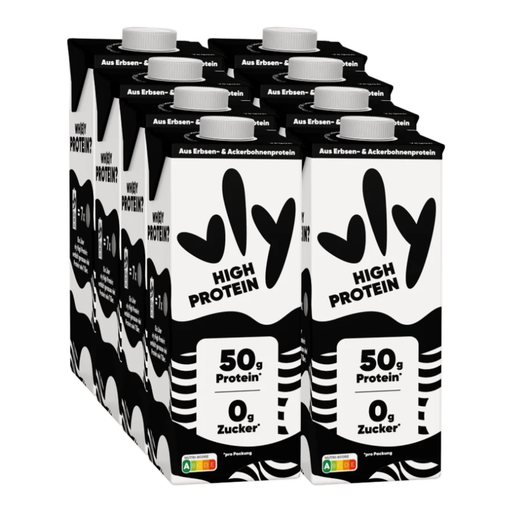
Why This Fits Their Persona: Designed for individuals with high protein needs. With 5g of protein per 100ml and 0g of sugar, this drink is a functional base for protein shakes, cereal, or post-workout recovery.
It clears up the protein misconception by delivering an objectively high protein content of 5g/100ml from fava bean and pea protein. At the same time, it completely avoids the sugar trap with 0g of sugar.
Very high protein content (5g/100ml); sugar-free; fortified with vitamins (D3, B12) and minerals.
We have compiled a complete, up-to-date list of products that fully meet these strict selection criteria.
Soy milk powder should be stored in a cool, dry place, protected from light. After opening, it's important to reseal the package tightly or transfer the powder to an airtight container. This keeps it fresh and prevents clumping. Follow the manufacturer's instructions regarding shelf life after opening.
Curdling is caused by the combination of heat and the acidity of the coffee or tea, which causes the proteins in the plant-based drink to coagulate. To prevent this, you can let the coffee cool slightly before adding the drink. Another method is to pour the plant-based drink into the cup first and then slowly add the coffee. The most reliable method is to use a special Barista Edition that is optimised for these conditions.
There is no single "better" choice; it depends on your goals.
Both are great lactose-free and vegan alternatives to cow's milk.