
Lieferung heute & morgen

Qualitätsgarantie

Willkommens-Angebote freischalten: KOSTENLOSE Lieferung | Bis zu 80 % RABATT | Kostenlose 30-Tage-JoyPlus-Testphase
App herunterladen
Plant-based milk alternatives have become a staple in many households for breakfast, coffee and baking. The range extends from oat drink and almond drink to soya drink and protein-rich special recipes. However, a wide product selection does not automatically lead to the right choice. If you only look out for terms like "Barista", "High Protein" or "no added sugar", you can easily miss important details.
The front of the pack often says "no added sugar". This does not necessarily mean a product contains 0 g of sugar. Oats and other ingredients can naturally contribute sugar. What matters is the nutritional information per 100 ml. According to the product details, the Alpro Almond Drink Sugar-Free shows 0 g of carbohydrates and 0 g of sugar. Other almond drinks, by contrast, contain around 2.4 to 2.5 g of sugar per 100 ml.
A Barista drink is usually designed for frothing and a stable texture. This can be supported by the proportion of oil, proteins, minerals or acidity regulators. Nevertheless, oat drink, almond drink and pea protein drink differ significantly in their own flavour. For a cappuccino, a creamy recipe can be useful, whereas for muesli a more neutral plant-based milk alternative is often preferred.
A product can be vegan and at the same time unsuitable for certain people. Almond drinks contain almonds, soya drinks contain soya beans, and oat drinks often contain gluten or gluten-containing cereals. Warnings such as "May contain traces of …" should also be noted before purchase. If you have an intolerance, always check the current ingredient and allergen labelling on the packaging.
First, check which main ingredient is included and in what quantity. For selected products, for example, 10% oats, 7% soya beans or 2.3% almonds are stated. A longer ingredient list is not automatically a disadvantage, but it should suit the intended use. For allergy sufferers, the highlighted allergens and trace warnings are particularly important.
Always compare the information on the same basis:
One example is the vly High Protein Milk Alternative: according to the product details, it contains 5.0 g of protein and 0 g of sugar per 100 ml. The Alpro Soy Drink Protein shows 3.0 g of protein per 100 ml. A classic almond drink is often significantly lower.
A value pack of milk alternative can simplify shopping if you drink it regularly. However, before buying, you should check whether you have enough storage space and how quickly opened packs can be used up. Unopened UHT drinks can usually be stored at room temperature. After opening, they belong in the fridge; the respective use-by period can vary depending on the product.
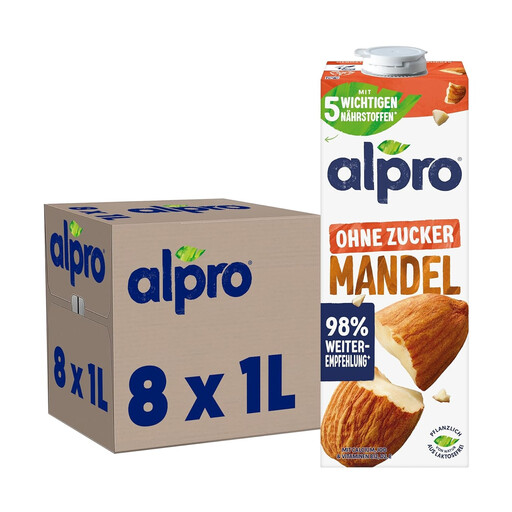
Why this product suits the profile: The eight-litre pack is ideal for households that want to use a sugar-free almond drink regularly for muesli, coffee or smoothies.
The nutritional information shows 0 g of sugar per 100 ml. Nevertheless, those with almond allergies should check the allergen labelling.
8 × 1 l, 13 kcal and 0.4 g protein per 100 ml according to product details; additionally fortified with calcium and vitamins.
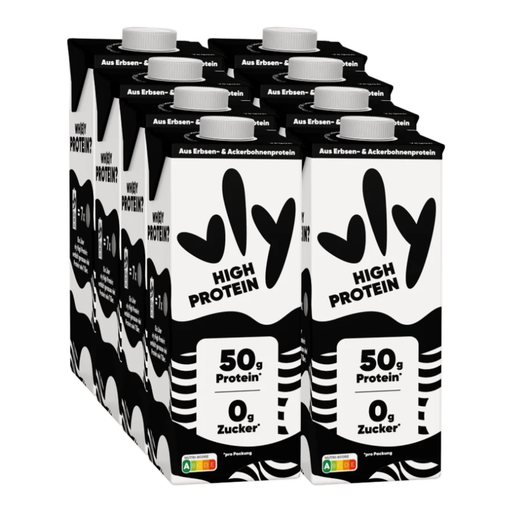
Why this product suits the profile: This drink is aimed at people who value a high protein content and a neutral taste in a plant-based milk alternative.
The selection is not based solely on the name "High Protein": it states 5.0 g of protein and 0 g of sugar per 100 ml.
8 × 1 l, 2.2 g fibre and 60 mg calcium per 100 ml according to product data; according to labelling, no declared allergens.
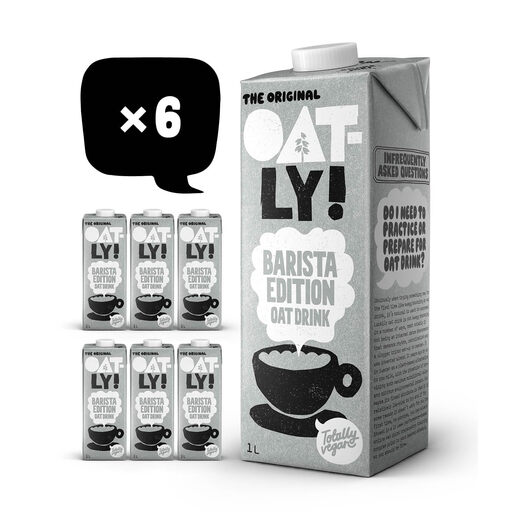
Why this product suits the profile: For coffee lovers who regularly make cappuccinos, lattes or frothed hot drinks and want to stock up on several packs.
The Barista claim is backed up by specific usage instructions such as frothing and heating. However, the drink contains oats and therefore gluten as an allergen.
6 × 1 l, 3.0 g fat, 1.1 g protein and 120 mg calcium per 100 ml according to product data; can be stored at room temperature when unopened.
We have put together a complete, regularly updated list of products that fully meet these strict selection criteria and the safety regulations in force in the EU.
Barista drinks are designed for frothed coffee specialities. Oat drink often has a more pronounced cereal note, while recipes based on pea or rapeseed oil can taste more neutral. The specific product description and your personal taste are what matter most.
The protein amount must be compared per 100 ml. In the selection considered here, the vly High Protein Milk Alternative contains 5.0 g of protein per 100 ml according to the product details. Classic almond drinks are significantly lower, while soya drinks often achieve medium values.
This depends on the manufacturer and the recipe. Many products need to be refrigerated after opening and consumed within a few days. The specific date on the carton takes priority. Before each use, shake the drink and do not use it if there is an unusual smell or taste.